













Supreme Court

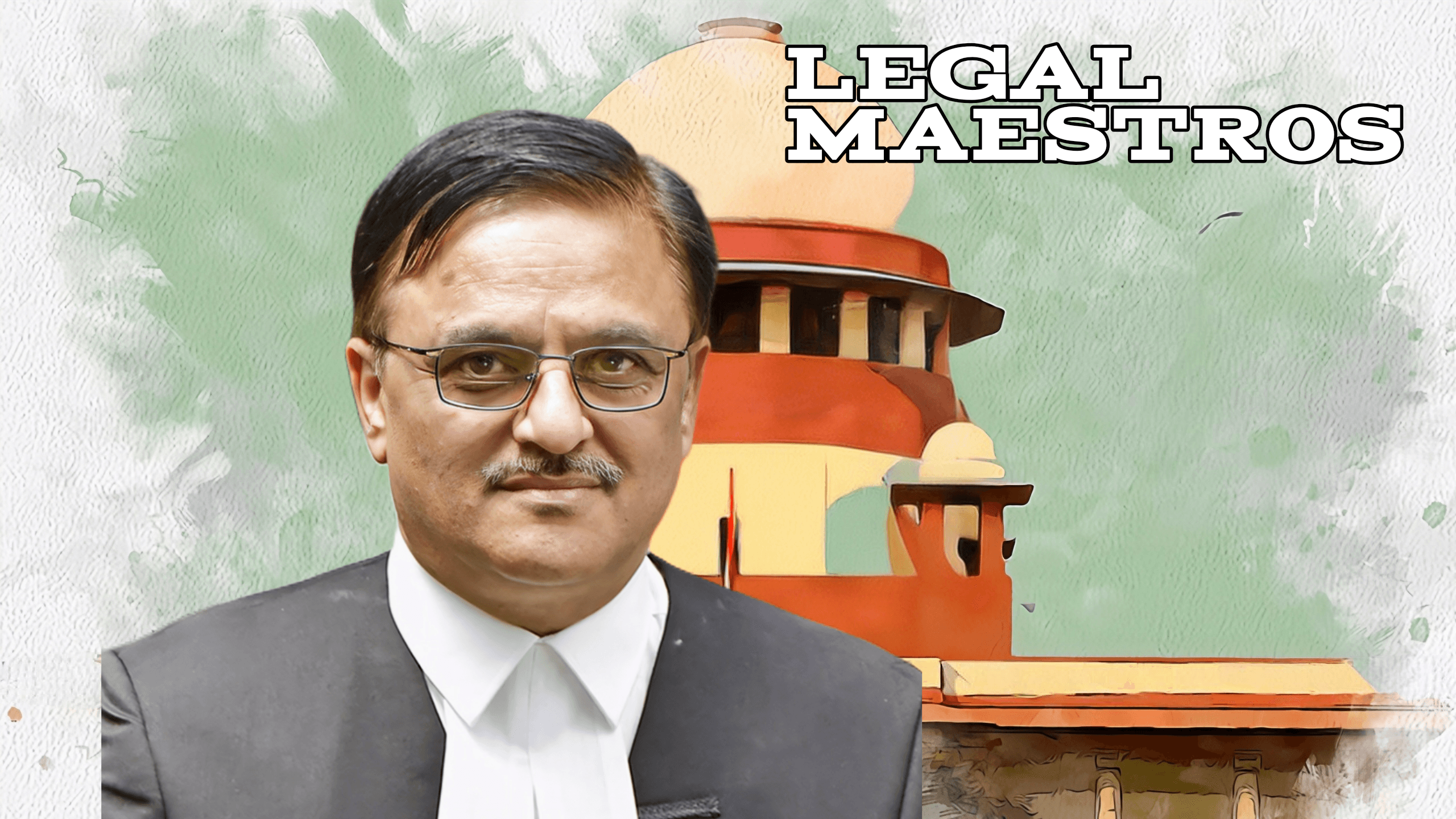
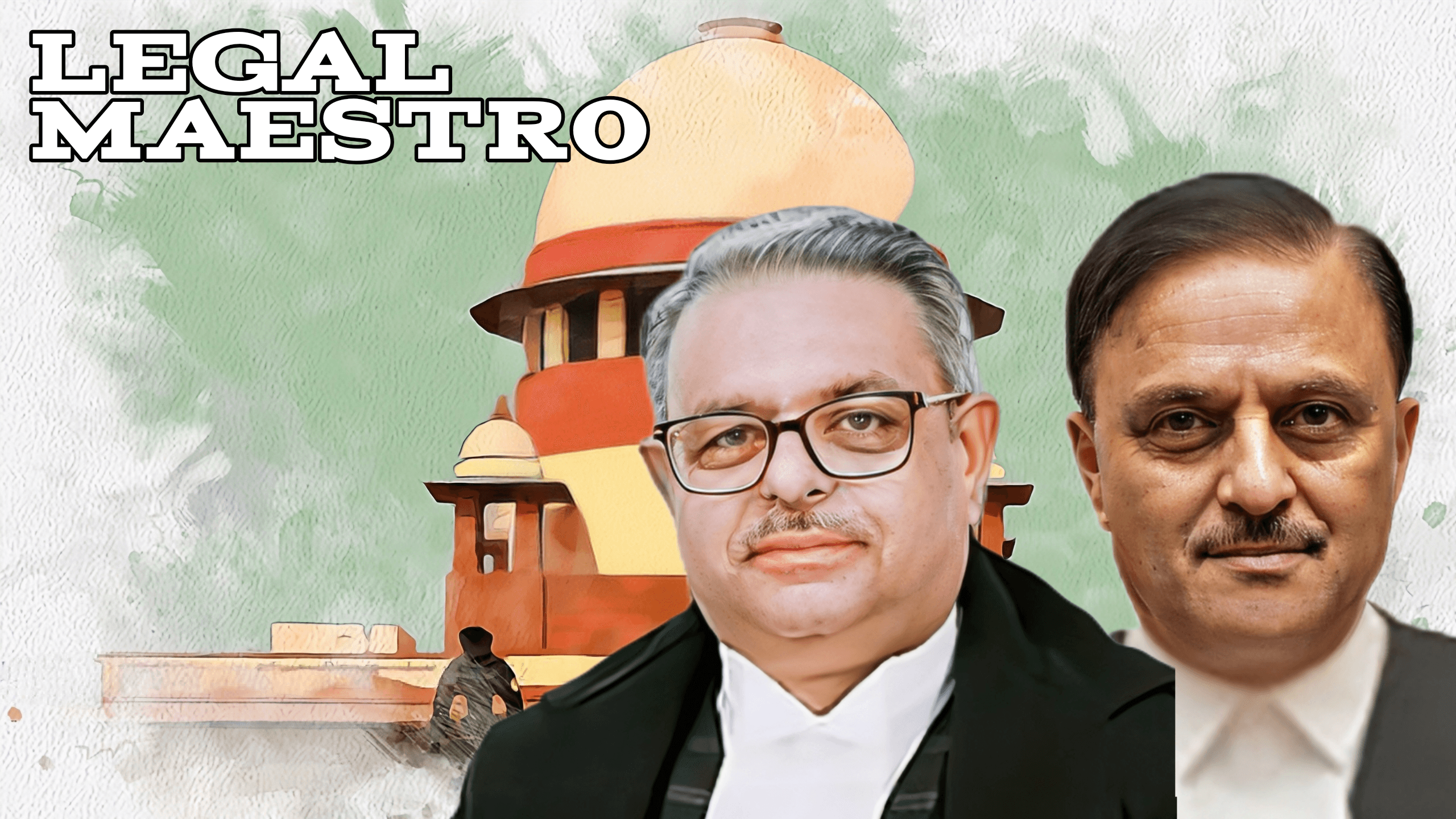
Who Can Be Punished for Pollution? Supreme Court Answers in Dr. I.S. Tomar Case: Justices Oka and Justices Masih JJ

In the case of Dr. I.S. Tomar v. Invertis University, the Supreme Court of the United States ruled that public officials cannot be punished without evident authority or evidence, while at the same time affirming institutional culpability for environmental damage caused by municipal mismanagement. This decision established liability under the National Green Tribunal Act.

Supreme Court

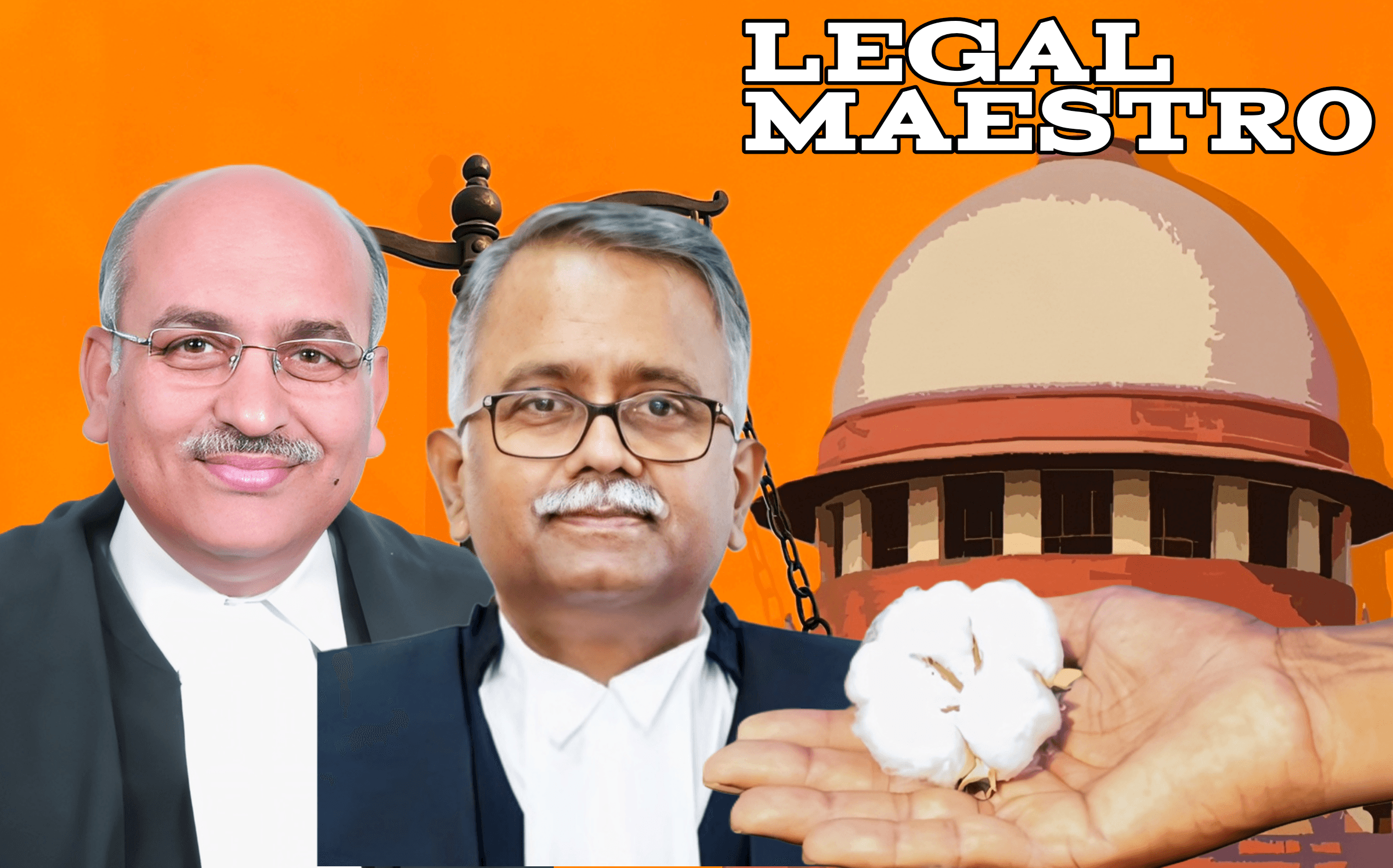
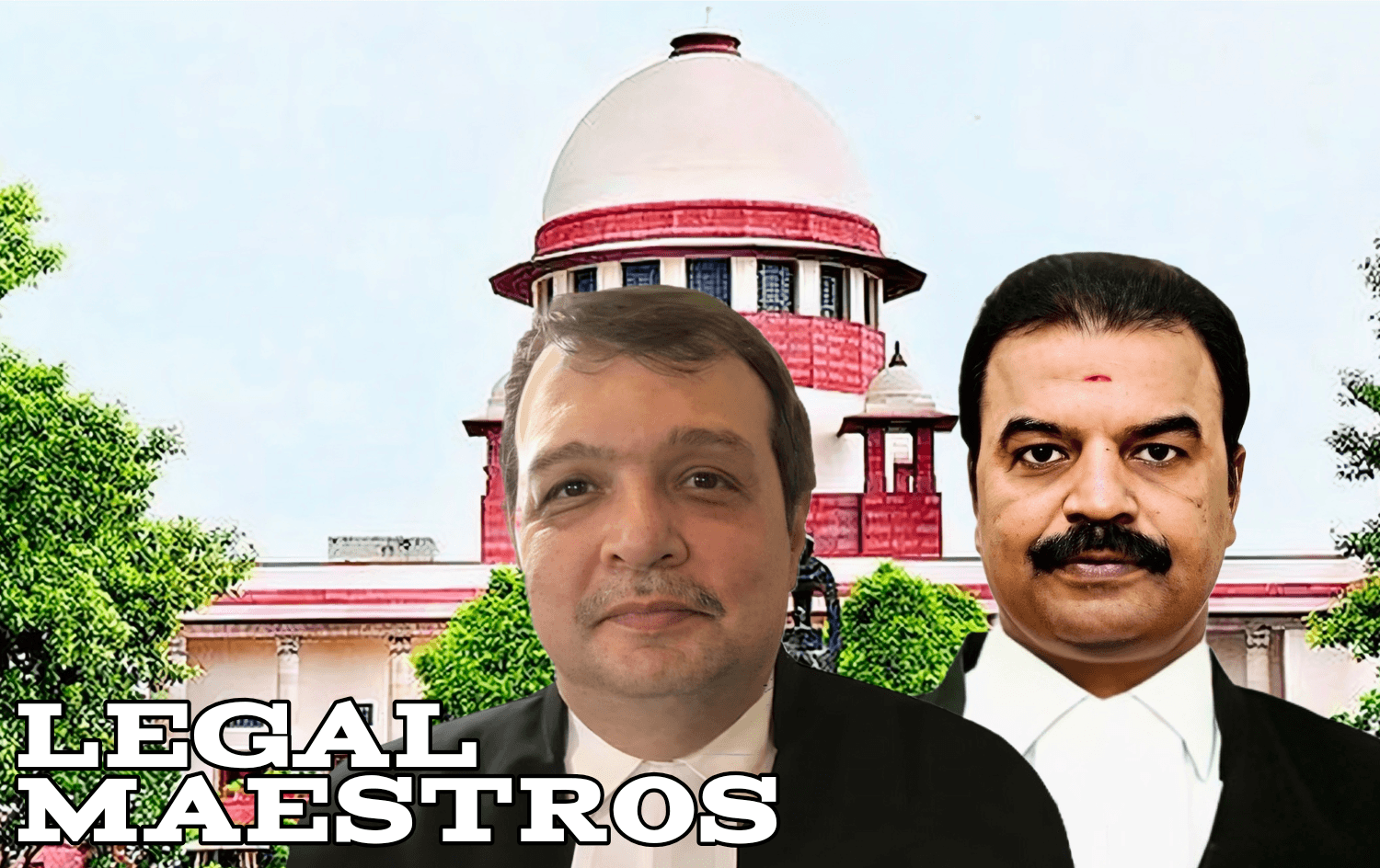
Supreme Court Ends Long Legal Battle in Sulthan Said Ibrahim v. Prakasan : Judgement by Justices Pardiwala and Justices Mahadevan JJ

In the case of Sulthan Said Ibrahim v. Prakasan, the Supreme Court supported the principle of res judicata, rejected claims of belated tenancy, and required possession delivery in accordance with a specified performance judgment. This decision strengthened the concept of finality in litigation and reduced the amount of procedural abuse that occurs in persistent property disputes.

Supreme Court

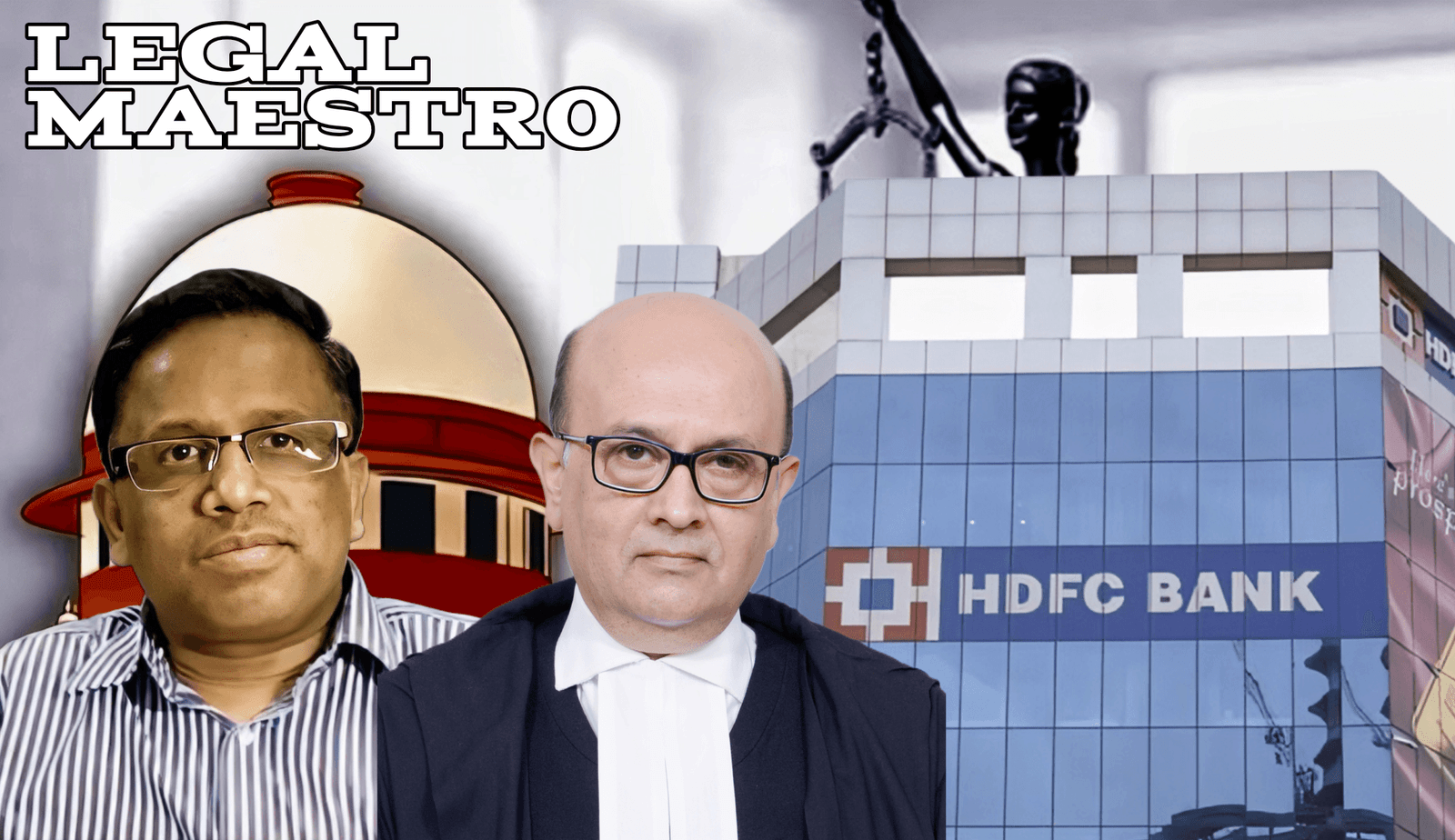
Justice Misra and Justice Viswanathan Explain Director’s Legal Duty in HDFC Bank Cheque Case

Section 141 of the National Insurance Act is the subject of this article, which provides an analysis of a Supreme Court case that clarifies directors’ vicarious liability. It places an emphasis on the necessity of precise allegations in complaints and draws attention to the delicate balance that must be maintained between preventing dishonor of checks and safeguarding individuals from unjustified punishment.

Supreme Court

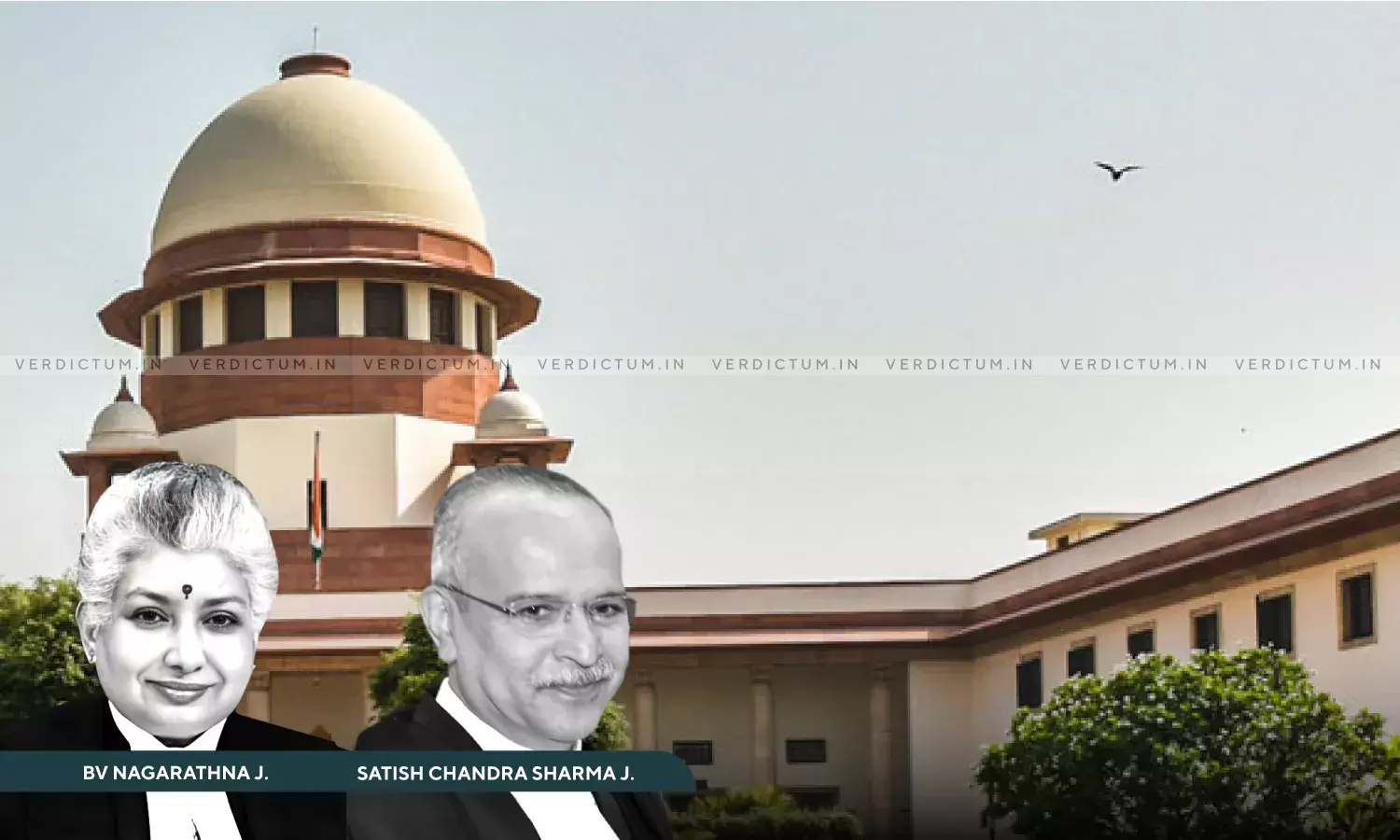
Supreme Court Ends Double Tax on DTH Services: State of Kerala vs. Asianet, Justice Nagarathna’s Judgment

A dispute that had been going on for a long time regarding the dual taxation of DTH services was finally decided by the Supreme Court in 2025. In doing so, it affirmed the Center’s exclusive jurisdiction under the Union List and declared that the entertainment tax that the state imposes on broadcasting services is unlawful. In addition to invalidating overlapping and discriminatory taxation rules, the Court placed considerable emphasis on legislative competence, and it underlined the need of content and pith.

Supreme Court

Entry 31 List I of the Seventh Schedule to the Constitution confers exclusive power on Parliament over broadcasting and telecommunications including DTH

Entry 31 of List I in the Seventh Schedule of the Indian Constitution vests Parliament with exclusive authority over broadcasting, telecommunications, postal services, and allied communication forms. This provision ensures uniform regulation of Direct-to-Home satellite transmission across India, prohibiting states from enacting conflicting legislation in these sectors nationwide.