Introduction
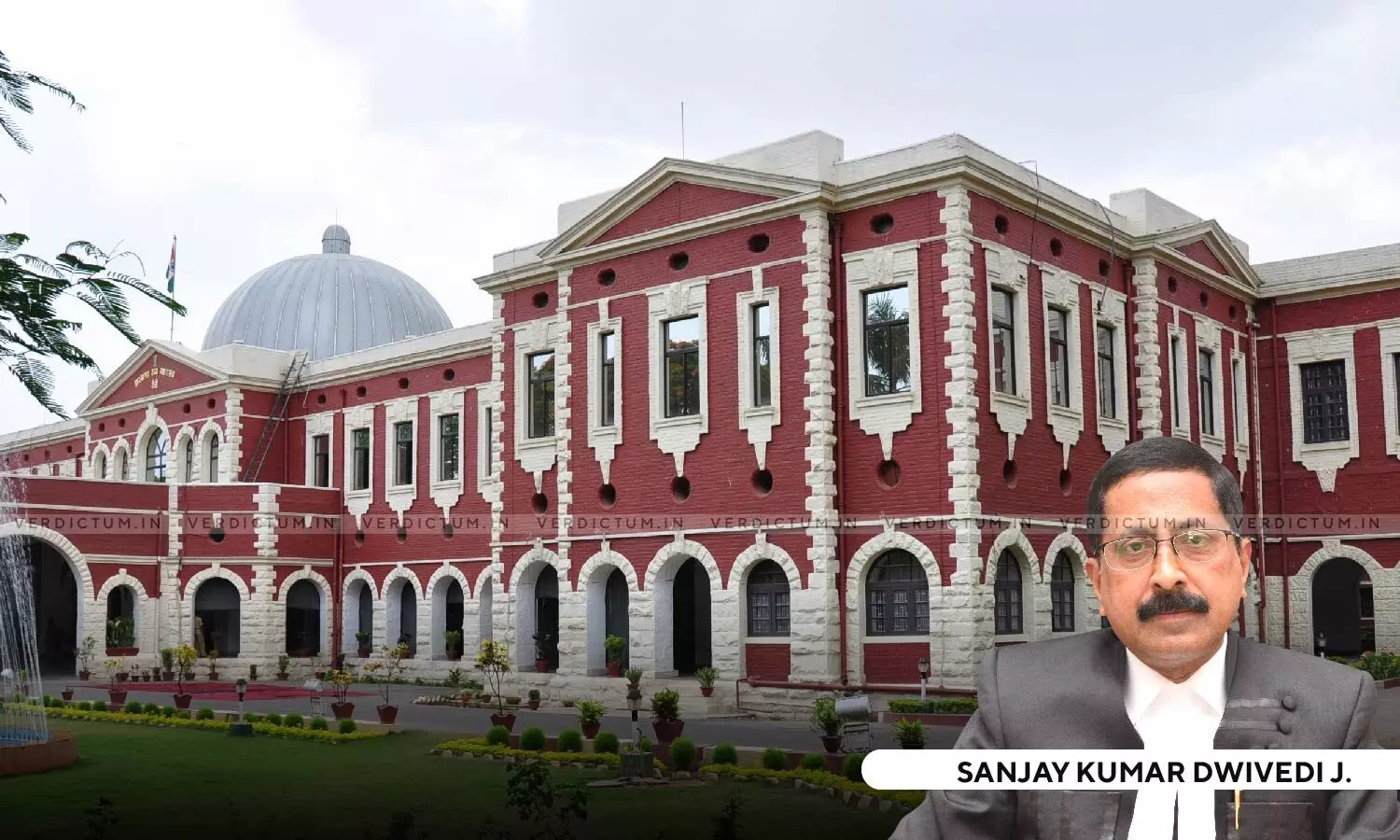
The Jharkhand High Court passed a child sensitive and child-focused sentence by not giving a 7-year-old girl to her father due to the fear about the possible difficulties with the stepmother.
The ruling emphasises the fact that the Court has been consistent in its view that the best thing to assess in the case of a dispute over custody is the welfare of the child.
Background of the Case
The case was in relation to a custody dispute between the biological parents of a minor girl.
After separation between the parents, the child was living with her mother. The father went to the Court to have his daughter in custody.
Nevertheless, the father was remarried and in case he was given custody the child would have to live with her stepmother.
This was a cause of concern regarding the comfort of the child, his emotional status and the general environment.
Custodianship of Father.
The father claimed that:
He was economically stable and was able to offer a better future to the child.
He was able to provide better education and living standards.
He was a natural guardian, and had a right to demand custody of his daughter.
The plea emphasized material gain and parenthood.
Mother’s Stand
The mother did object to the custody and underlined:
The sense of affection between her and the child.
The stable surrounding of the child.
Issues about the existence of a stepmother and the adjustment challenges.
She claimed that a change of custody would disrupt the mental and emotional stability of the child.
Controversy in the Court.
Whether the best interest of the child would be to give the father custody was the critical question of concern in the Court.
The Court was forced to evaluate not only the rights legally but also the emotional and psychological aspects.
Court’s Observations
The Jharkhand High Court came up with some significant observations on child welfare.
It noted that:
The child is the most important and should be placed above all other considerations.
Comfort and emotional stability are very crucial at a tender age.
A step-parent can at times pose some adjustment problems to a child.
The Court did not presume any form of wrongdoing rather it recognized that in the future, issues could arise.
Child Welfare as the Supreme Factor.
The Court reiterated a well-established principle that in custody matters, the child’s welfare comes before the rights of parents.
It observed that:
Custody cannot be dictated by financial capacity.
It is also important to be emotionally secure and in a nurturing environment.
The development of a child can be influenced by sudden shifts in the conditions of living.
The Court critically analyzed the situation and then made a decision.
Court Ruling.
After considering all aspects, the Court refused to grant custody to the father.
It held that:
The living situation of the child with the mother was stable.
It was not necessary to upset that arrangement.
The chances of adjustment problems with the stepmother could not be overlooked.
Nonetheless, the Court might have permitted visitation privileges to make sure that the father does not miss out on the life of the child.
Importance of the Judgment.
This ruling is significant as it:
Affirms that child welfare becomes the priority in the custody cases.
Understands emotional and psychological, as well as financial aspects.
Illuminates the complications in cases that are related to step-parents.
Promotes a moderate and sensitive attitude by courts.
The ruling of the Jharkhand High Court shows a wise and humane attitude towards the custody of children.
The Court prioritised the welfare of the child above the rival claims of parents and therefore made sure that the best interests of the child are not compromised.
This case is a reminder that a decision to award custody should always be done based on what is actually best to the child and not necessarily what is legal.
Keywords
Child custody, stepmother, welfare of child, family law, parental rights, minor child, custody dispute, Indian judiciary, Jharkhand High Court.