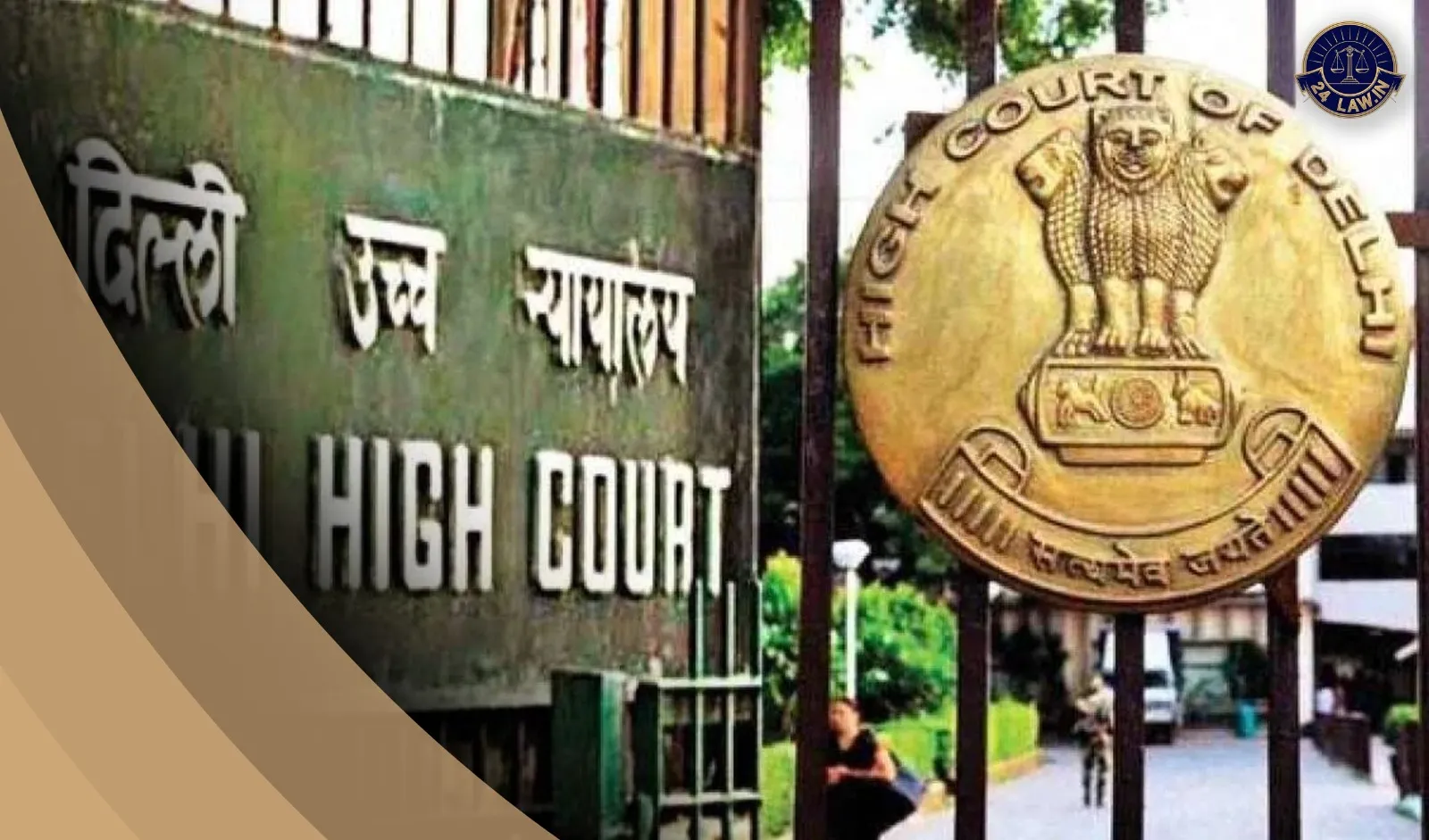
The Delhi High Court has given a clear message against two accused of anti-terror laws. The judges, Prathiba M Singh and Madhu Jain, rejected the pleas for bail of Mohd Saquib Ansari and Waqar Azhar. They are accused of being the Rajasthan branch of the outlawed Indian Mujahideen. The bench was very clear in its last Friday’s order.
The court made it clear that the accused were not mere sympathisers but active terrorists. They were allegedly in touch with the leadership of the terror organisation. This included not just local conduits but also one working in Pakistan. The judges noted that they were spreading jihadi literature and indoctrinating others.
The court documents state that they also imparted training in the making of explosives. These acts are too serious to consider bail now. The judges weighed up the evidence and concluded it was too much of a risk to the public. The danger they presented outweighed their arguments that they should be free on bail until their trial
The Arrest and the Charges
It’s been over a decade since their arrest. Ansari and Azhar were first arrested by the Special Cell of the Delhi Police in March 2014. They were immediately charged under the Unlawful Activities (Prevention) Act and Indian Penal Code. This entire arrest was a spin-off from an arrest from November 2011.
Then, the police arrested another member of the Indian Mujahideen who divulged all the details. The arrest triggered a nationwide manhunt. It resulted in the arrests of 18 people. One of those arrested was notorious terrorist Yasin Bhatkal
Police finally arrested Ansari and Azhar and they allegedly admitted to their involvement with the banned group. They revealed they were receiving instructions from the top leadership – Riyaz Bhatkal, Waqas and Tehsin Akhtar. The duo allegedly had plans for heinous crimes. They had plans to launch a major terror attack in the national capital at Bhatkal’s behest.
They were also allegedly involved in running terror cells in Bharatpur, Sikar and Jodhpur. The police also found that the accused were dabbling with chemicals. They reportedly had magnesium sulphate, acetone and castor seeds at their disposal. Their aim was to extract poison to mail to their targets.
Why the High Court Turned Down the Plea
The bar lawyers had made a strong plea to release their clients because of the delayed trial. The accused was represented by Advocate Deeksha Dwivedi, who pointed out that they had been in jail for almost 12 years. She pointed out that of the 25 accused, 11 had already pleaded guilty. Another accused had died during the lengthy court proceedings.
So, by that point, only 13 people were left to battle the snail-like legal process. The lawyers suggested the delays were reason to release them now. The judges had a different view, though. The court was more concerned about the consequences of their release.
The judges said that the accused were completely ensnared in the violent apparatus of Indian Mujahideen. Their release might very well see them return to anti-national activities. The court also emphasised that the men were a huge flight risk because of their global connections. Their continued imprisonment was seen as a preventative measure to prevent future attacks.
The Extent of the Seizures
Another big hurdle to the bail plea was the volume of explosives found by the police. Police had conducted major raids in Jaipur and Jodhpur. They didn’t just discover a few simple leaflets in these safe houses. They found alarming quantities of chemicals, electronic equipment and components to assemble Improvised Explosive Devices.
The police also found guns, regular detonators, and a number of computer devices loaded with data. The court made a specific note that this hardware could lead to a lot of civilian deaths. The judges simply put, “You can’t just ignore an arsenal like this.” The danger of the explosives dwarfed the fact they would spend a long time in jail.
The Argument for Parity Fails
The team of lawyers tried another tack by insisting on bail on the grounds of parity. They argued that one of their co-accused in the same case, Mohd Maroof, had recently got bail. According to their lawyers, Ansari and Azhar were in the same situation as Maroof. It was inequitable to keep them in jail while Maroof was free.
This argument didn’t make it far in the High Court. The court made a big distinction between the evidence found with each of the suspects. They pointed out that all the police had from Maroof were laptops and computers. On the other hand, police found highly volatile explosives and chemicals in relation to Ansari and Azhar.
The court said that a bomb-making lab isn’t the same as a hard drive. Given that the physical evidence against the appellants was far more deadly, the parity argument didn’t work. The judges made it clear that the principle of parity doesn’t exist because another guy got bail. The nature of the items seized meant they had to be kept in jail.