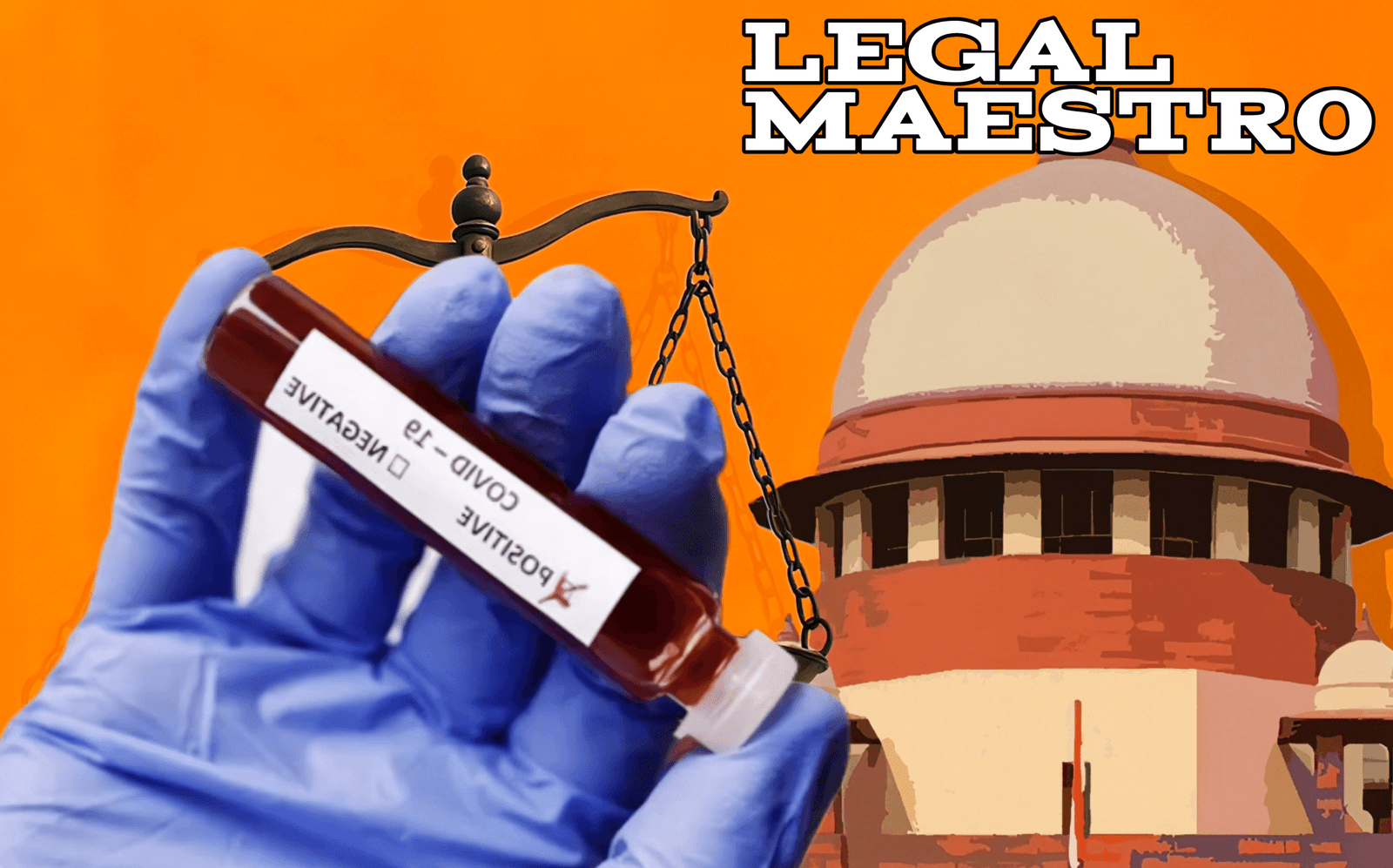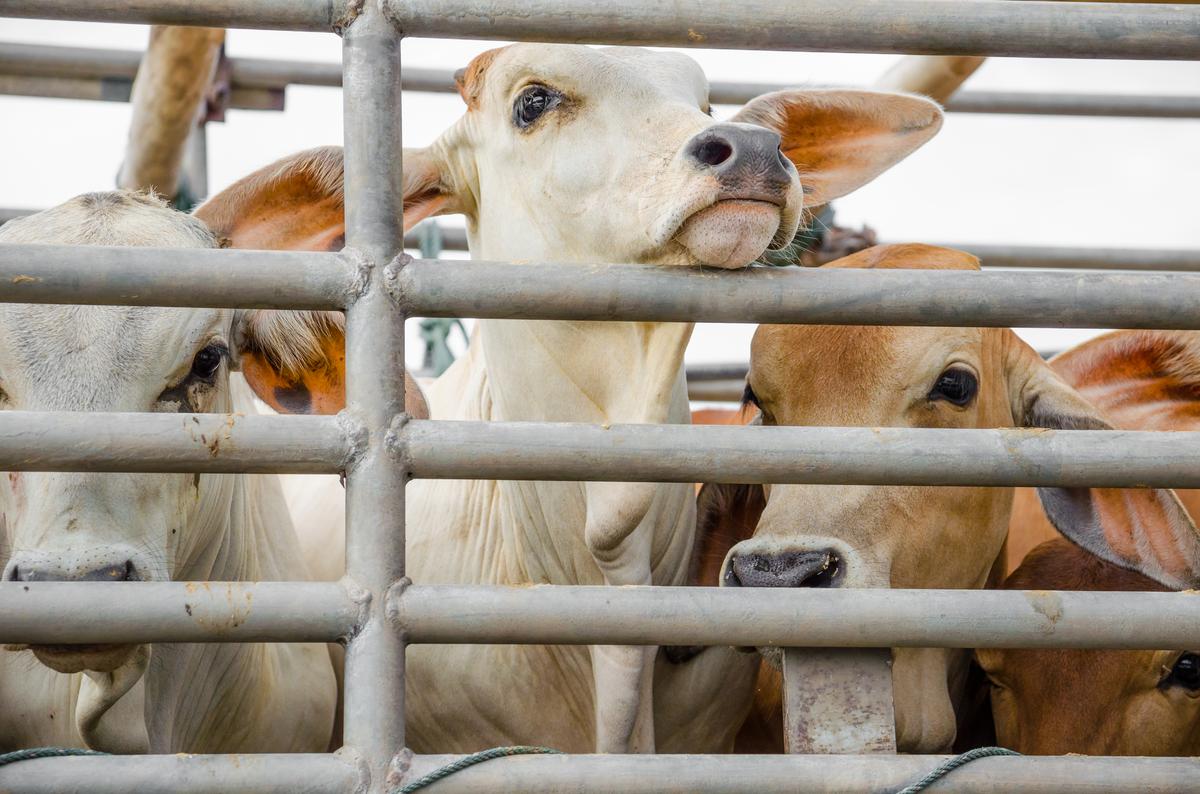
A major decision in regard to the upcoming Eid ul-Adha Festival was taken by the Calcutta High Court. They said they were not prepared to allow the West Bengal government to impose tight regulations on cattle slaughter. The people were attending the Court in hope that it would grant them a stay on the notification issued by the newly elected State Government on May 13, 2006. The court said no. Chief Justice Sujoy Paul and Justice Partha Sarathi Sen were the presiding officers of the division bench. They read the petitions and determined that the state was just following an old law. The legislation concerned is West Bengal Animal Slaughter Control Act, 1950.
The government released its new guidelines and a stack of petitions was soon piling up. Some of the petitioners involved were political leaders such as TMC MP Mahua Moitra. Other institutions also came forward, including those of cattle dealers and the Muslim community. They said the new curbs would damage the celebrations of Eid ul-Adha and adversely affect local trade which relies on the cattle trade. Senior advocate Bikash Ranjan Bhattacharya represented one of the petitioners. He noted that the ’50s legislation was drafted when agriculture heavily depended on domestic animals. He claimed that things are different today given the use of technology in agriculture. He also said that the number of cattle in West Bengal has increased tremendously over the years.
Those arguments won the court over for an immediate halt. The judges highlighted that the government directive was merely implementing previous instructions issued by the High Court in 2018. Given that the previous notice was already deemed valid, the court found no need to invalidate the existing notice. The bench essentially told the petitioners that the law already in place and has existed for more than 70 years. There’s no such thing as a de facto unconstitutional law unless and until there’s a full legal battle. In the meantime, the rules remain unchanged.
Cow Sacrifice And Religious Requirements
The judges didn’t stop there. They explored the religious issues associated with the festival. They had a very clear legal comment on what they were sacrificing. The court said that it was not a necessary religious practice in Islam to sacrifice a cow. It is not obligatory in Id-Uz-Zoha festival. This is by no means a spontaneous creation of the bench. They referred to a previous Supreme Court decision in their support. Mohd. is the case that they referred to. Hanif Quareshi and others vs the State of Bihar.
In fact, the High Court had directed the state government to make this extra clause in its notification of May 13. They want the government to make it clear that cow sacrifice is not a part of Islam. They also ordered the state to specify an additional condition in the written order. The state need to make it quite clear that it is a total ban on the slaughter of animals such as buffaloes, cattle and others in open public places. The court pointed out that these conditions had been included in the public notices of the festival before. They didn’t see why these points shouldn’t be set out explicitly in the new government mandate.
The Mechanics Of The New Guidelines
To comprehend the controversy, it is essential to examine what the Suvendu Adhikari government wanted in its order of 13 May. It’s just all about paperwork and fixed physical locations. An animal cannot be purchased and then slaughtered. It is now a state requirement for a “fit for slaughter” certificate. This piece of paper is a hard to get piece of paper.
Only a certain group of officials may award the certificate. The chairperson of a municipality or president of a panchayat samiti has to agree with the government veterinary officer for it to be. They both have to agree in writing. The animal must have some specific traits. The animal typically needs to be more than 14 years old or have some other major defect that renders it unsuitable for work or breeding. You are committing a crime if you don’t receive this certificate.
The government also completely banned public slaughterhouses. Only at the local slaughterhouses or those designated by the local administration, animals may be slaughtered. Violating these rules will have repercussions. Imprisonment for six months may be imposed for violating the 1950 Act. It may also be fined up to 1000 rupees. In some cases, the court may impose both penalties. A person has a right of appeal when an official refused to issue a fitness certificate, within 15 days of the refusal by the state government.
Exemptions must be applied for before the close of business on 24th June 2020.
That was when the HC gave a shot at the state government. The court ruled that the restrictions are legal, but it recognized a specific legal loophole. The government may give exemptions in section 12 of the 1950 Act. The state has the power to permit restricted animals to be slaughtered for religious, medical or scientific purposes. Some of the petitioners specifically requested this exemption for their religious rituals to be allowed during the festival.
The judges understood the importance of the situation. This festival is expected to be held on or about May 27-28. There is only a short time left. Therefore, the court asked the West Bengal government to take a decisive action with regard to these exemptions. They did not wait to be told to make a decision at some point in the future. They set the state a 24-hour deadline from the time the court’s order was delivered. The government will have to take a look at Section 12 and make a public statement on whether or not they are going to allow any flexibility for the next holiday.
A review of the State Infrastructure.
Imposing rules is another.Establishing rules is different from imposing rules. That’s another matter when it comes to enforcing them. The High Court acknowledged this real-world issue. There’s no way to require a complicated certification process when there are no officials to perform the paperwork.