The state government on Monday introduced the Uniform Civil Code Bill 2026 in assembly. It finally moved out the door on Wednesday. Now the northeastern state is on par with Uttarakhand and Gujarat. They have a single set of civil laws for all, irrespective of the god they worship or the community they are a part of. The mechanism is the same as what is in place in Goa since the colonial era, but it is a new mechanism in Assam.
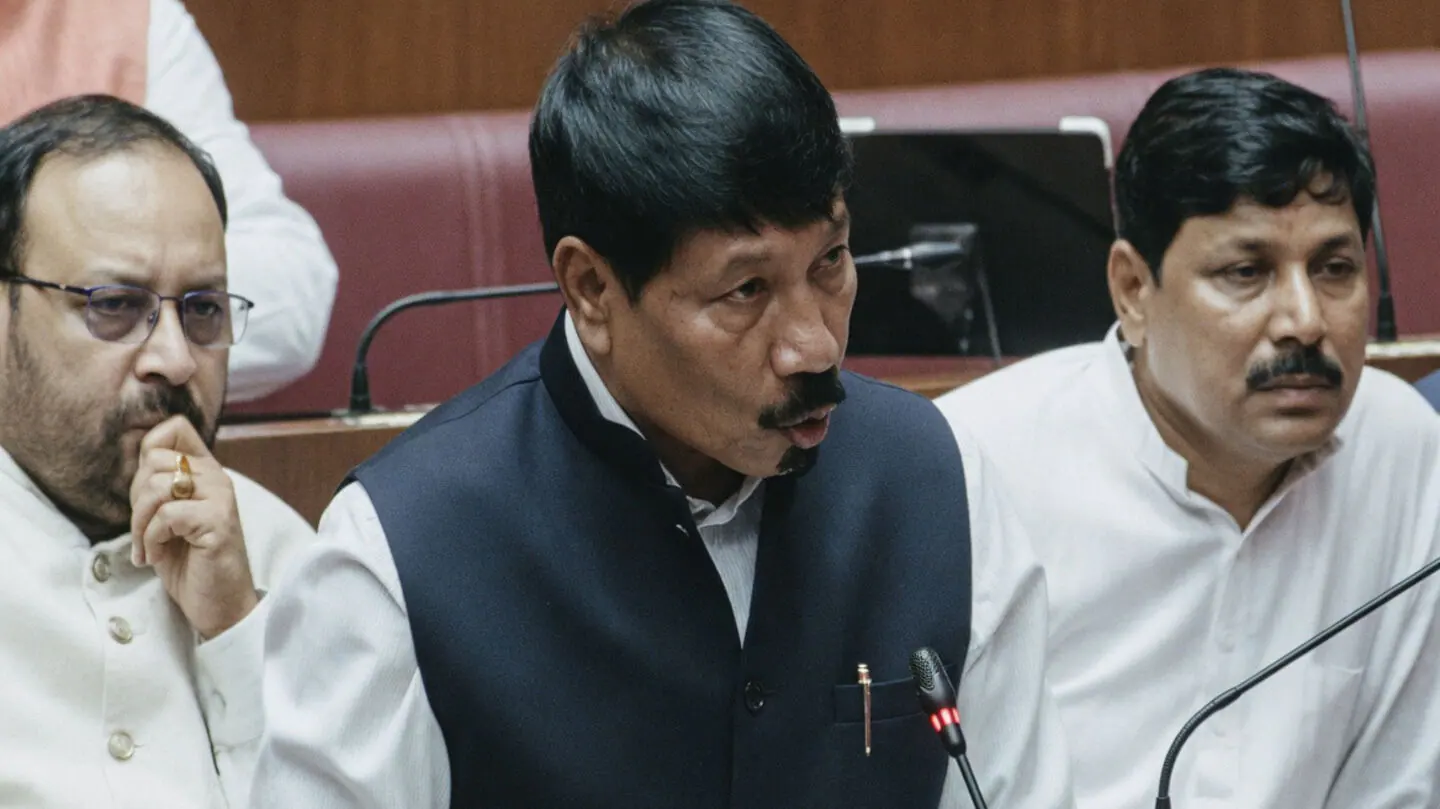
Cabinet Minister Atul Bora took the document inside the house on the Chief Minister’s behalf Himanta Biswa Sarma. The draft was strong. It in essence, redraws the ways people in the state may get married, break up and pass their assets to their children. This political momentum is enormous. This is something the ruling party had pledged in the pre-election campaign of the spring session, and it’s something they have worked frantically to deliver at this session.
The biggest and most immediate target is polygamy. It is now all but eliminated.
The Four Marriages
The new law enforces monogamy on all levels. The State no longer cares about religious texts or old community practices that permit or require multiple spouses. There is serious jail time for anyone who tries to take a second wife or husband.
The bill is directly related to the new criminal codes. Section 82 of the Bharatiya Nyaya Sanhita may see a person imprisoned for up to seven years for getting caught in a bigamous marriage. Forced marriages or marriages based on deception are no different in their seriousness.
The government however, opened the door to traditional ceremonies. No one is coerced into being a “sterile bride” or “sterile groom” at court. Couples are still allowed to marry any way they want to. The bill provides a specific list of rituals that are protected. It includes the Vedic Bibah, Ahom Chaklong and the Islamic Nikah. It includes also the Christian and Anand Karaj holy unions. The state is not interested whether the ceremony is in the traditional way or what. After they’re just concerned with the documents.
Registration has become mandatory. All marriages must be registered with a sub-registrar within six months of the date of the marriage ceremony. The same applies to divorces. The idea is to establish a very big, very thick paper trail.
There are no age restrictions and they are enforced. Males must be 21 years old. Women have to be eighteen. Any user of the Internet who attempts to circumvent these restrictions will be subject to penalties under the existing ban on child marriage.
Tracking Unmarried Couples
The worst portion of the legislation involves nothing to do with marriage. It’s designed for couples who only share a home.
Assam is moving right into into the private lives of live-in partners. A couple who chooses to share a roof and bed in a romantic manner have 30 days to notify the government. Live-in relationships have been made compulsory to be registered. It is a significant realignment of the State’s attitude towards informal relationships.
Legislators say this is a protection element. The bill sets up a “fall-back” for abandoned partners. Now when a live-in relationship breaks down, and one of the people leaves the other, the left-out partner can drag them into civil court. Under the law, they possess a right to ask for monetary support. It basically views a broken in living together situation as divorce in terms of funds.
These live-in relationships also give children full legal protection. They are completely legal, according to the law. They receive all the benefits of a child of a married couple. The state is seeking to prevent a child being punished for a parent’s refusal to sign a marriage certificate.
This is a rewrite of Inheritance and Breakups.
Divorce is now a standard procedure. Until this past week, the laws governing divorce were strongly tied to one’s religion. In the present context, the common reasons behind the separation of all the people of Assam are the same.
Similarly, couples are able to separate amicably. They are allowed to petition for divorce for cruelty. Another legal reason for desertion is if you leave the military without permission. The child custody disputes over who gets the kids have been streamlined for toddlers, too. The bill says that if a couple separates, the custody of any child under five will nearly always be with the mother. In early childhood, the state takes for granted that the mother will be the major care provider.
If people die without will, the state will divide the assets in a different manner. New UCC provides a totally gender free inheritance system. Whether or not the deceased has left behind a son or daughter is of no consequence. The law considers “Class-1 heirs. This group consists of the surviving spouse, the children and the parents. They are all given a level playing field. The ancient religious laws which sometimes privileged the male relatives have been abolished.
Of course, individuals are able to create their own wills. Any adult who has a sound mind can make a witnessed document to give their house to whomever they wish. Otherwise, if they die without it, then the state swoops in with the new uniform math.
The Tribal Carve-Out
The over-riding exception to all the above is one. The tribesmen are untouched.
Assam is home to a large indigenous population. It was not in the government’s interest to provoke them. The Uniform Civil Code Bill clearly leaves out all the Scheduled Tribes, living within the state limits. They have fully intact traditional customary laws and constitutional protection. The state was aware that it would generate a political explosion immediately if it used mainland civil laws against tribal groups.
To clean up the legal code, the government is also trashing old legislation. The bill scraps the Assam Compulsory Registration of Muslim Marriages and Divorces Act of 2024. This particular law is not necessary anymore because everyone is covered by the UCC. But the government did have a safety clause in it. Existing “legal final” polygamous marriages will stand, if performed before this new UCC goes into effect. They’re not disbanding families. They simply try to stop any new ones from developing.