The Events of August 2017 Revisited
The case was started in the tumultuous months of August 2017. A special court of CBI in Panchkala on August 25 of the same year found the head of the Dera Sacha Sauda, Gurmeet Ram Rahim Singh, guilty in a case of raping two of his adherents, women. The ruling served as a catalyst to a binge of violence, mainly in Panchkulawhere tens of thousands of Dera followers had gathered in the days before the verdict.
The next thing was a virtual collapse in law and order. Mobs who were enraged ran rampant, burning cars, destroying both government and personal property and engaging violence against law enforcement officials. The riot caused the death of at least 38 people and hundreds more were injured. The state administrative and police machine had failed so badly that the army had to be brought in to stop the orchestrated violence, and this indicated that the state was in a very bad situation.
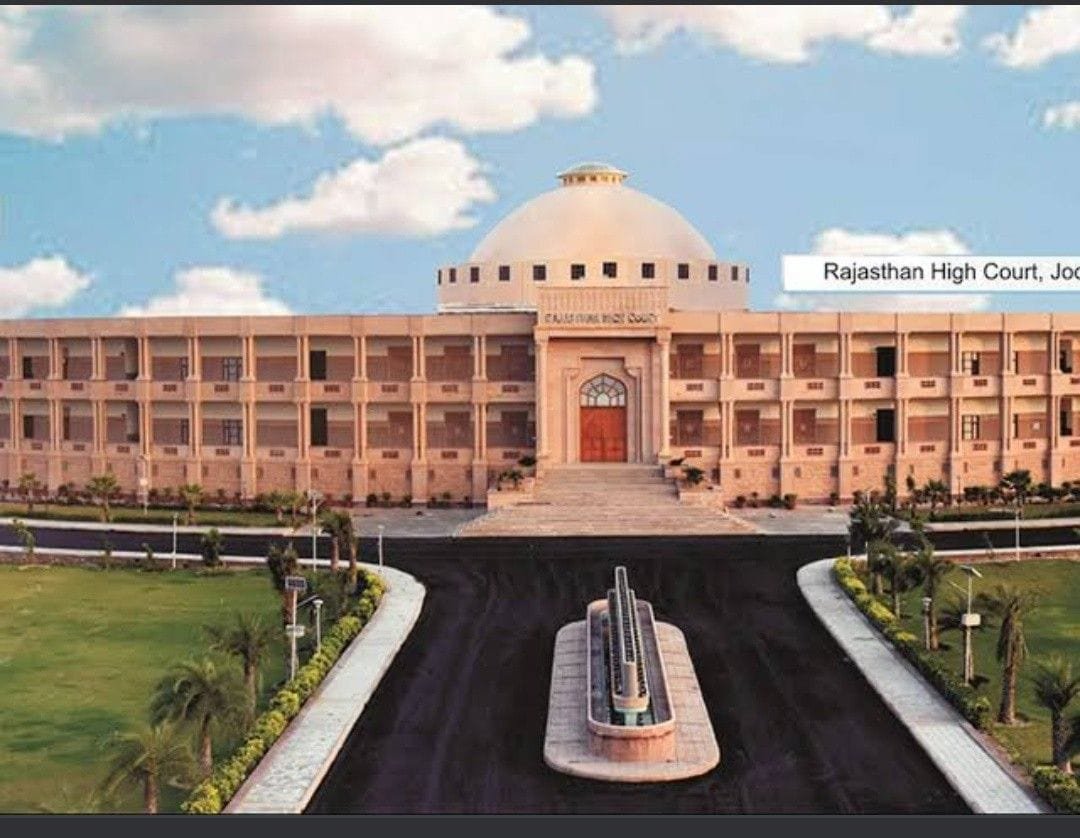
The magnitude of the devastation and the loss of lives that was caused were enough to trigger the judicial quick action. The Punjab and Haryana High Court assumed suo motu cognizance of the issue, that is, it started the case independently, making a Public Interest Litigation (PIL) to solve the dire situation. The main issue that the court was concerned about was the evident breakdown of the state apparatus at the hands of a planned attack on the rule of law by the followers of Dera.
The Role of the Public Interest Litigation (PIL)
High Court started to hold the state government accountable with the use of the Public Interest Litigation as the main legal tool. During the last seven years, the court has relied on this PIL to monitor a myriad of issues resulting due to the riots. Its wide-ranging goals were to have a complete investigation into the conspiracy that led to the violence, to put the involved officials that resulted in the security lapse into book, and to bring the perpetrators into justice.
One of the areas that the PIL has largely concentrated on is the financial side of the aftermath. The court has been scrutinising keenly the process of valuing damages caused on public and private property. Moreover, it has presided over the annexation of properties owned by Dera Sacha Sauda in order to compensate such damages. This was a very essential move because it meant that the taxpayers would not have to bear the financial costs of the riots but through the organization whose members caused the damage.
During this time, the High Court has issued several orders instructing the state governments of Haryana and Punjab in undertaking certain measures. It has also monitored the compensation given to the victims as well as their families compelling the government to play its roles. Being under constant scrutiny by the court provided the executive with constant pressure point, as the intricate and politically delicate case was not forgotten by people and administrative institutions.
A Passionate Plea from the Amicus Curiae 🗣️
The court, during the last hearing, said that it believed that after seven years of uninterrupted monitoring, the PIL might have fulfilled its role and might be terminated. This became a crucial point at which the intervention of Senior Advocate Anupam Gupta who was acting as the Amicus Curiae was strong. An amicus curiae or the friend of the court is a neutral informant who has been invited to help the court in a legal issue.
Mr. Gupta gave what was characterized as an impassioned and touching plea, as he desperately pleaded against the dismissal of the case. He argued that it would be a serious injustice to the memory of the victims that the proceedings be terminated now. He pointed out that the complete truth of the so-called massacre of August 25, 2017, has not been discovered yet and that the critical questions concerning the participation and irresponsibility of top officials of states have not been addressed.
His position was that it was not a matter of compensation but demonstration of accountability at the top. Sealing the PIL, he recommended, would send the message that the state can fail its citizens in such a spectacular manner and get away with it without full examination. His emotional appeal made the court remember that it has a constitutional obligation to see that justice is not merely done in its cases, but also perceived to have been done, particularly where such a massive breakdown of government is involved.
Chief Justice Sheel Nagu’s Decisive Intervention
The arguments of the Amicus Curiae made tremendous impacts at the bench. The issues expressed by Mr. Gupta were seriously considered by Chief Justice Sheel Nagu, who assumed the chairmanship of the Punjab and Haryana High Court recently. The Chief Justice realized the burdensomeness of the unresolved problems and it was he who made the final decision to delay the PIL closure.
It is being considered as a re-assertion of the judicial role as a protector of the public interest and constitutional responsibility. The Chief Justice preferred to leave the avenue of judicial scrutiny open rather than have the case that had been pending a long time disposed of in a more mundane manner. The ruling indicates a desire to end the case till its logical and fair end regardless of time elapse.
The court has indicated that by leaving the issue, it would keep examining what the state was doing and the recovery and investigation process that was still ongoing. The case has now been set up to be heard once again and this will give a chance to the Amicus Curiae and other parties to give additional information and argument. This will make sure that the pressure of the state machinery to deliver justice and enforce accountability will be retained.