High court

Allahabad High Court Fixes Maximum Photo-Affidavit Fee at ₹125; Upholds Validity of Notarized Affidavits

In a landmark order bolstering procedural justice, the Allahabad High Court has set a cap of ₹125 on the photo-identification charge for filing affidavits and permitted affidavits sworn before public notaries to be used. The order checks unauthorized charges, streamlines affidavit filing, and gives top priority to access to justice throughout Uttar Pradesh.

High court

Delhi High Court Backs Government in Celebi Case: National Security Overrides Natural Justice

In Celebi Airport Services v. Union of India, the Delhi High Court confirmed the government’s withdrawal of security clearance of Celebi on grounds of national security in spite of the allegation of procedural injustice on part of the company. The court concluded that national security reasons take precedence over a right to prior notice and hearing, in light of Supreme Court precedents. The ruling highlights restricted judicial review in sensitive cases and points to risks confronted by foreign firms engaged in strategic sectors in infrastructure.

High court

Jamiat Ulema-i-Hind Seeks Delhi HC Ban on ‘Udaipur Files’ Over Kanhaiya Lal Murder Depiction

Jamiat Ulema-i-Hind asked the Delhi High Court to ban a movie on the murder of Kanhaiya Lal called the Udaipur Files. They claim that the trailer of this film causes communal disharmony, biases a community and is against the certification parameters of movie industry which may affect the order of the general populace before the movie is released on July 11, 2025.

High court

Çelebi Plea Dismissed: Delhi High Court Prioritizes National Security Over Judicial Review

This paper will discuss the case of the Delhi High Court on national security over natural justice regarding the grant of security clearance in the aviation security in India. It outlines the recalling of Celebi clearances, the argument that appeals to the concept of procedural justice and the court pertaining to claims of both state security and opportunity of a fair hearing and rules in preference of national security in that particular case.

High court

Saif Ali Khan Faces Major Setback as MP High Court Reopens ₹15,000 Cr. Royal Property Dispute

Through this article we discuss the opinion of the Madhya Pradesh High Court in the Bhopal Nawab property succession case as it throws light on the complicated legal issues of the private property of former rulers. The case was remanded to the court to be tried once again, with stress on personal law, merger agreements and the clauses of the constitution especially in the case when a previous judgment on which the case had laid its relied-upon basis was being abridged by the Supreme Court.

High court

Andhra Pradesh High Court Warns Magistrates Against Mechanical Remands for Social Media Posts

The present article discusses an order by the Andhra Pradesh High Court regarding arrest and remand in relations to the social media. It brings to light the fact that the court put a stress on sticking to

[Arnesh Kumar and Imran Pratap Gadhi judgments, to guard against the possible abuse of the criminal law and also safeguarding the freedom of expression by committing the courage to question any police action in a court of law.]

Supreme Court

Supreme Court Rules No Insurance for Legal Heirs in Rash Driving Fatalities

According to a decision by the Supreme Court, the legal heirs can not demand insurance in case of death caused by rash driving of the deceased. This choice solidifies individual responsibility, blocks the possibility of generating revenue out of a wrong as well as encourages responsible driving, which affects the insurance policy holders and the scrutiny of insurance claims, as well.

High court

Pune Court Rejects Plea to Force Rahul Gandhi to Produce Book in Savarkar Defamation Case

In this paper, the author will discuss the recent court order on Satyaki Savarkar vs. Rahul Gandhi is making an argument based on the inherent right against self-incrimination portrayed in the Article 20(3) of the Indian Constitution. It brings out the refusal of the court to force the accused to tender incriminating documents prior to trial, the onus of proof where it rests upon the complainant and the presumption of innocence.

High court

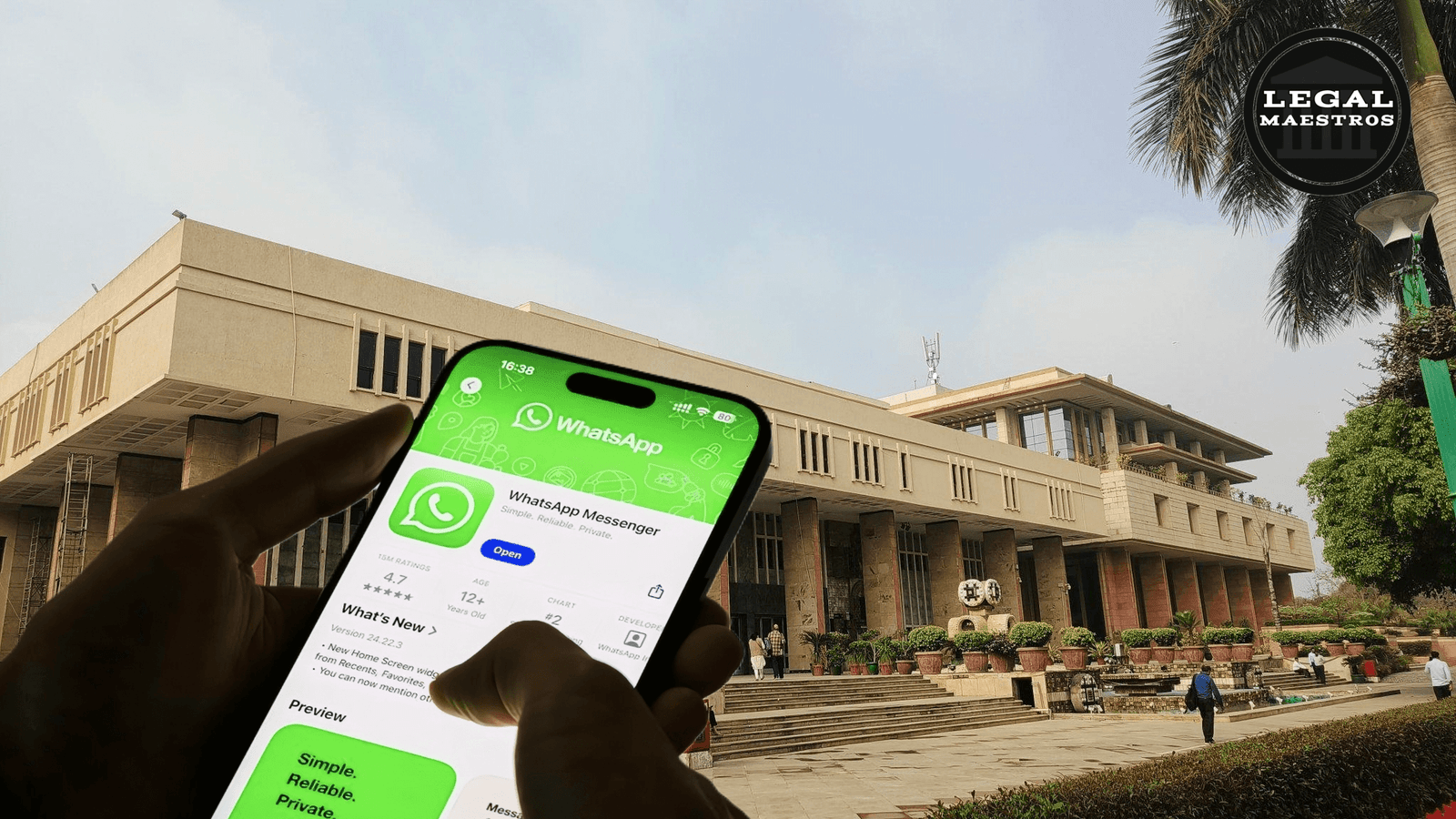
Delhi HC Rules WhatsApp, Email Exchanges Form Valid Arbitration Agreement

The article discusses the case law of the Delhi High Court on interim forms of arbitration: through the formation of the contract online, territorial jurisdiction and difficulty of awarding unliquidated damages. The electronic arbitration contracts were confirmed by the court, however, jurisdiction and security of unquantified claims were rejected, which points out some important legal provisions to apply in commercial conflicts.