Constitutional lawCRIMINAL LAW

When Is Phone Tapping Legally Allowed in India? A Detailed Look at the Laws, Permissions, and Restrictions Surrounding Electronic Surveillance

This article explores the legal framework for phone tapping in India, detailing when it’s legally allowed, the necessary permissions, and the safeguards designed to protect privacy rights. It examines how the Indian Telegraph Act, judicial interpretations, and public policy intersect to govern electronic surveillance. The piece highlights the balance between national security interests and individual privacy, discussing the implications of legal precedents and recent controversies like the Pegasus case. The necessity for transparency, accountability, and the protection of press freedom are underscored, emphasizing the ongoing dialogue on privacy versus security.

Constitutional law

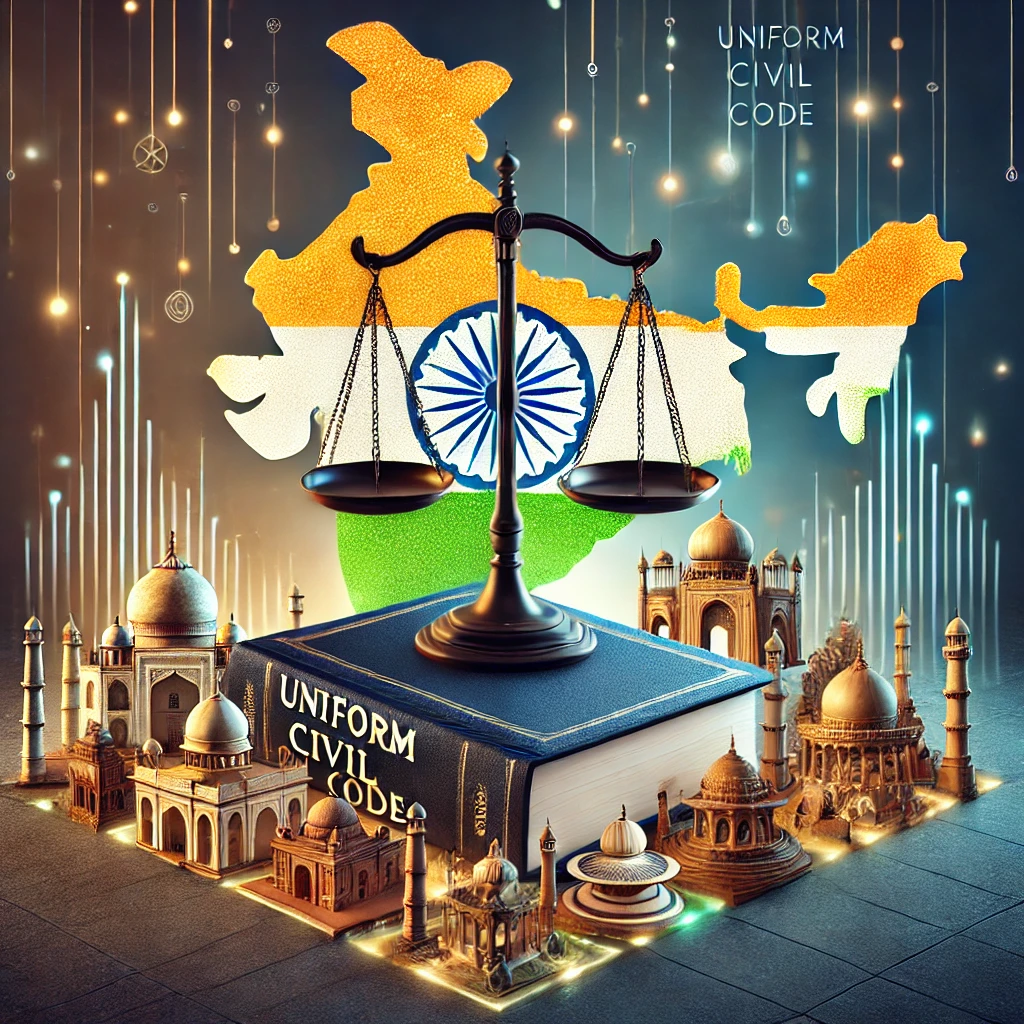
Analysis of Uttarakhand’s Newly Enacted Uniform Civil Code: Key Provisions and Implications for Personal Laws

Uttarakhand has become the first Indian state to enact a Uniform Civil Code (UCC), which aims to standardize personal laws across communities. The code covers marriage, divorce, inheritance, and live-in relationships, promoting gender equality and legal uniformity. It introduces equal inheritance rights, bans polygamy, and mandates the registration of marriages and live-in relationships. While progressive, the UCC raises concerns about cultural sensitivities and potential legal challenges. Its implementation will be a significant step toward fulfilling Article 44 of the Constitution, promoting equality and integrity. Discussions about the adoption of UCC in India will begin based on the experience of Uttarakhand.

Constitutional law

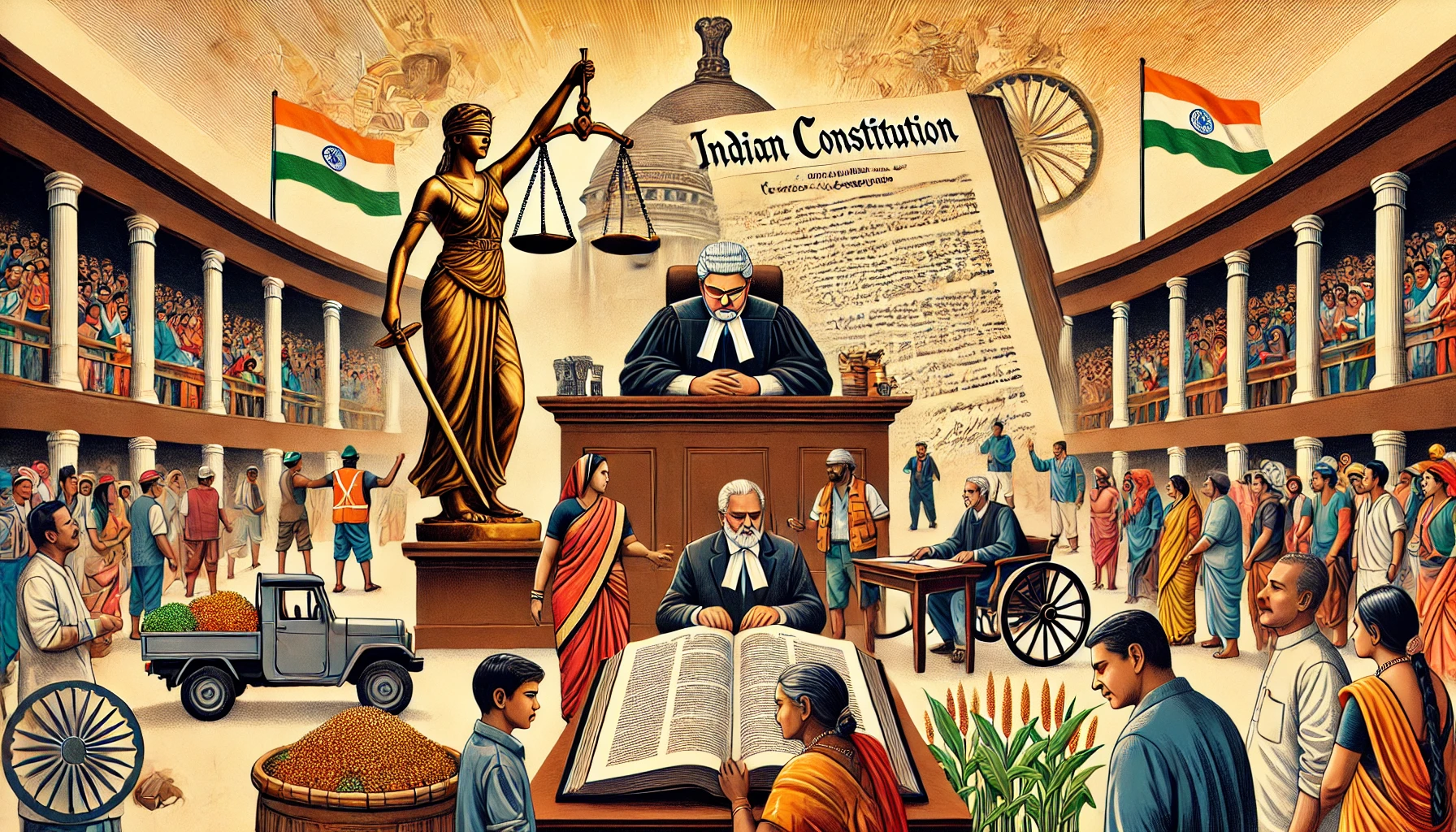
“When you should or should not file a PIL as per Indian Constitution”

Public Interest Litigation (PIL) in India serves as a crucial mechanism for justice, allowing public grievances to be addressed legally. This paper explores when PIL is rightly used, such as in cases involving fundamental rights abuses, environmental protection, public health crises, and governmental oversight. It also identifies misuse scenarios, including personal disputes and political games. Judicial guidelines are discussed to promote responsible filing. The study advocates for the preservation of PIL’s integrity for societal benefit.

Constitutional lawCRIMINAL LAW

”Handling Unlawful Arrests: Steps to Take When Police Violate Your Rights”

Arbitrary arrests violate individual rights and the essence of justice. This report delves into the provisions of the Bharatiya Nyaya Suraksha Sanhita, 2023, that bears the core protection against police abuses. The article details the definition of arbitrary arrest, two critical aspects such as conducting forensic examination and exhibiting arrest details, and the procedures to be taken up by the individual, such as consulting a lawyer and lodging complaints with the concerned authorities. Legal remedies, including writ petitions and complaints before the human rights commission, are also provided. This all-inclusive guide focuses on awareness and the significance of democratic values.

Constitutional law

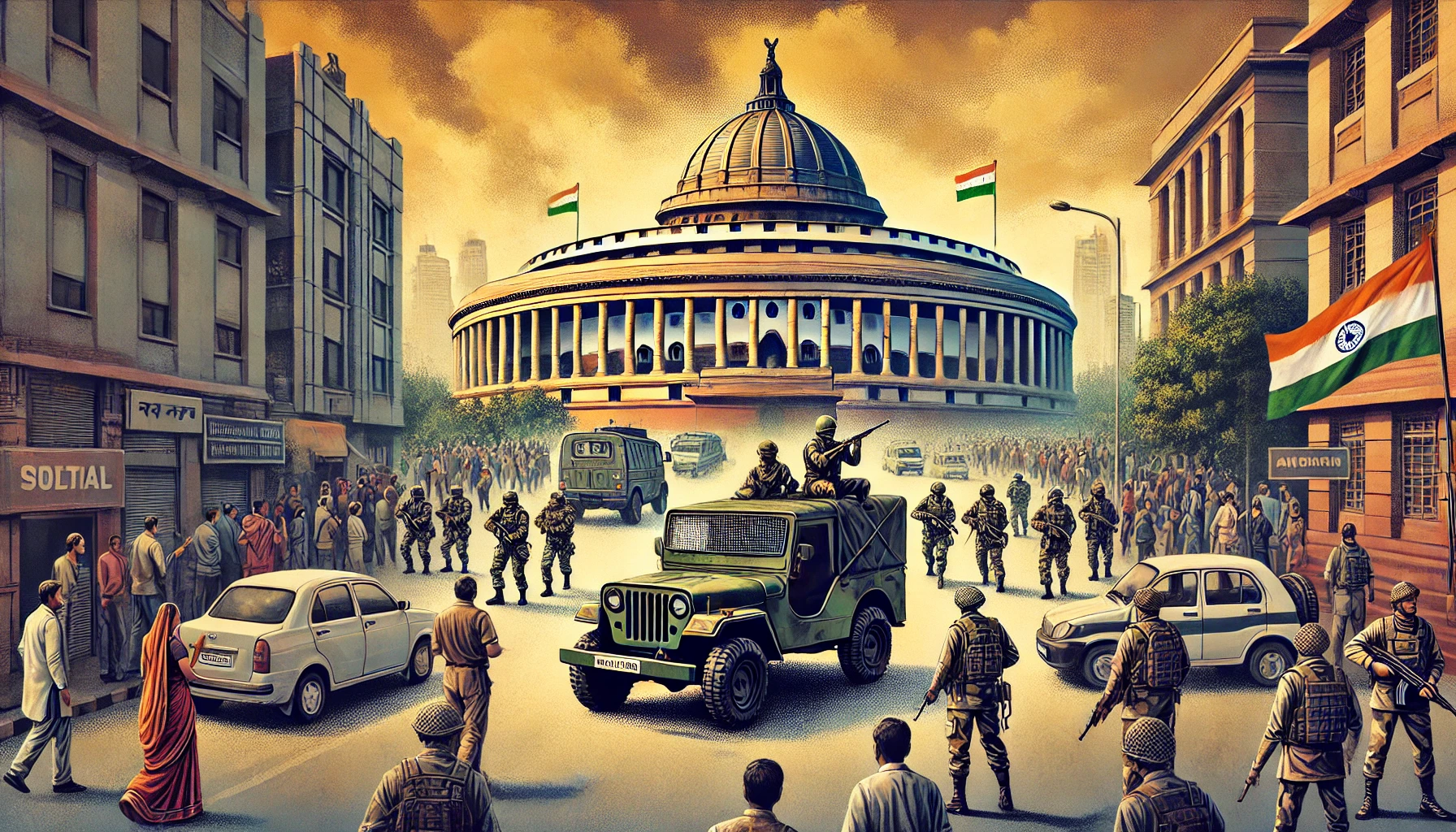
President Yoon Suk Yeol Over Alleged Martial Law: Can Such a Law Be Imposed in India?

This article deals with the implementation of martial law in South Korea under President Yoon Suk Yeol and how it affects governance and democracy. It compares it with India’s historical experience in “The Emergency” (1975-77) and analyzes legal, constitutional, and societal frameworks that regulate extraordinary measures. This discussion highlights the challenges martial law poses to democratic institutions, civil liberties, and public accountability. Though South Korea’s institutional safeguards were robust, India’s post-Emergency reforms underscore the need to prevent the very slide into authoritarianism through which democracy goes.
This comparative work underlines the subtle balance between security and democratic liberty.