When the same chemical that has been outlawed in the West is openly distributed throughout the villages of rural India, something must be deeply wrong. Lawyers and rights activists are now taking the issue to court to force immediate action against Swiss-based agrochemical giant Syngenta and their product: paraquat, a pesticide so deadly a small amount can be fatal in humans, especially if accidentally consumed. The goal: to instantly stop the unrestricted distribution of this chemical to farmers and agrarian communities across India.
The arguments before the courts are simple and stark: legal advocates believe judges need to suspend the use and sale of paraquat across India.
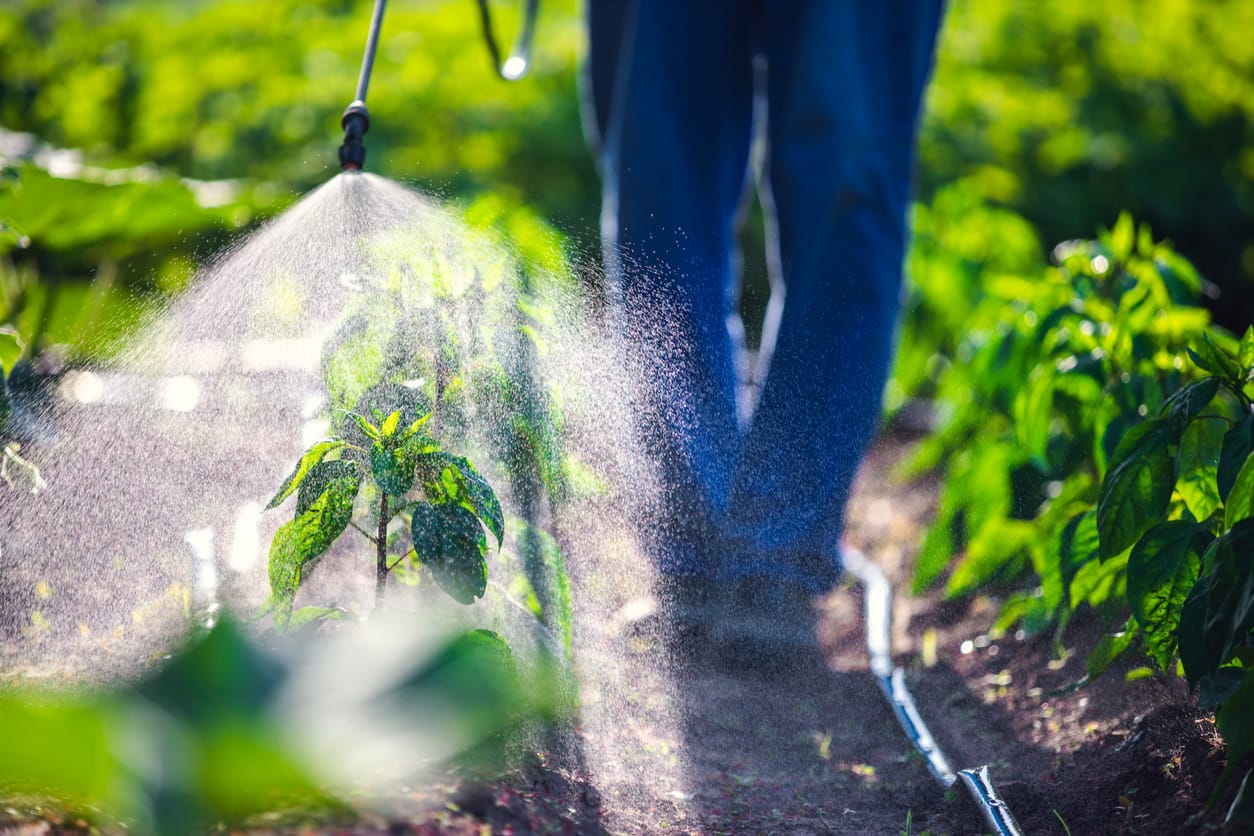
It has long been distributed to small farmers by Syngenta under trade names including Gramoxone, allowing these small land holders to personally spray it throughout the fields in scorching heat, without appropriate safety measures such as protective gear, and without adequate understanding of the implications for their health. Advocates also point to a pattern of double standards employed internationally, noting that the substance is now banned in Syngenta’s home country of Switzerland, the EU since 2007, and the UK is ceasing manufacture for export by mid-2026. Yet, it continues to be readily available from retailers throughout the country’s agricultural heartlands. ## Maharashtra’s Deadly Fields of Death The need for urgent judicial intervention was graphically illustrated by the horrific events in Maharashtra, where the summer of 2017 saw farm workers collapsing by the score in the state’s cotton fields due to pesticides.
Reports by the Maharashtra police and farmer rights groups attribute dozens of cases to Syngenta’s products.
More than twenty farm laborers died in Yavatmal, while hundreds more survived with lasting organ damage. In many cases, the English and Hindi labels on the chemical’s plastic jugs are indecipherable for many farm laborers in the area, who do not read or speak these languages. Even where some understanding exists, warnings on American products, like a statement about fatality if inhaled, have often been replaced by a warning solely about swallowing the liquid in products sold to Indian farmers.
Linking the Weedkiller to Parkinson’s In addition to acute poisonings, growing concern about the long-term health effects of paraquat is another driving force behind the legal challenge. Decades of scientific study have suggested a significant link between exposure to the chemical and the development of Parkinson’s disease. In the United States, this potential has spurred thousands of lawsuits against Syngenta and other chemical manufacturers.
Some 6,000 cases were filed by agricultural workers who claim they developed neurological issues after years of handling the weedkiller.
Syngenta has now been ordered to pay out more than $180 million in settlements related to these cases, the first of many legal battles to conclude with a victory for the injured farmers. International Parallels, Indian Realities Indian advocates argue that their country’s farmers deserve the same justice. They are armed with a trove of internal corporate documents, revealed through U.S. Litigation, showing that executives were aware of the neurodegenerative risks for decades, but failed to act, prioritizing profits over human lives. Demand for Justice The legal complaints filed on behalf of the farmers demand a slew of specific remedies.
The paramount objective is the outright ban of paraquat in India.
The advocates are seeking compensation for those killed or disabled by the chemical. They are pushing for the court to compel Syngenta to establish a medical monitoring program for villages where large quantities of paraquat have been used over the past 10 years. Mediations by organizations like the Maharashtra Association of Pesticide Poisoned Persons, which have continued for years, have failed completely.
The firm says only the courts can bring about change, citing international regulations and the fundamental right to life, which is violated when toxic substances like paraquat are sold with no guarantee that the user can safely manage the risk. ## An Awaiting Verdict The wheels of the justice system move at a slow pace. Yet, the overwhelming volume of medical and scientific evidence concerning paraquat is hard to overlook. Rural hospitals routinely see farm laborers seeking help for respiratory failure and internal organ distress, some of whom simply poured the chemical into old water bottles or walked through mist-sprayed fields.
Syngenta insists paraquat remains an indispensable tool for farmers struggling to protect their crops and denies culpability for the numerous deaths and illnesses attributed to the chemical, shifting blame to competitors for substandard versions of the weedkillThe advocates spearheading the legal battle are preparing to bring the full force of international expert testimony and forensic medical evidence before the judges, hoping they will render an impartial verdict.