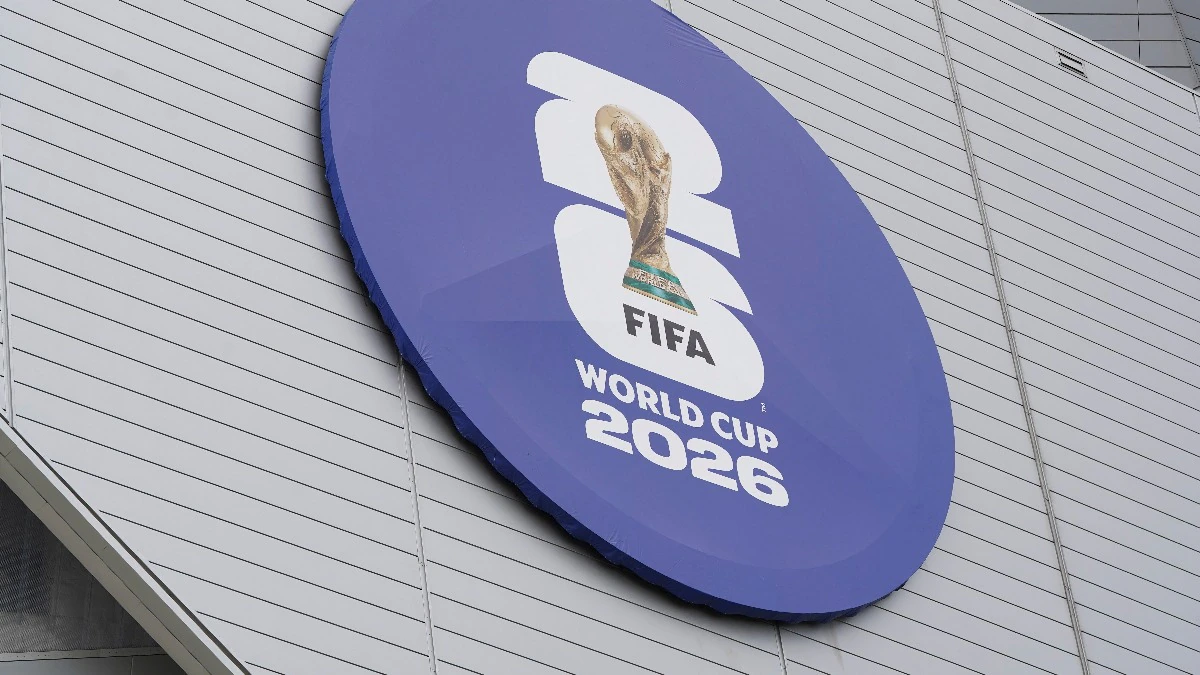
Indian football fans had been waiting for a couple of months. The most important sporting event of the world was just weeks away. It was illegal for anyone in India to display it. Zee Entertainment finally came out of the deadlock. They inked a big contract with FIFA right before the opening kick in North America, on June 11. It is for 39 tournaments until the year 2034. The men’s World Cups in 2026 and 2030. In 2027, it will be the women’s championship. The whole lot
All this confusion is because Indian markets are dynamic and changing rapidly. There was no desire to pay the money on the part of the broadcasters. The games are being played in the USA, Canada and Mexico. This leaves you with a harsh 10-12 hour time gap! Play will be generally from midnight to 6 a.m. Advertisers don’t like to pay top dollar for TV spots when the majority of the nation is all but sleeping. Of the 104 matches played, just 14 will begin before midnight in this area
This is the Money Fight Behind Closed Doors.
FIFA originally wanted $100 million. Indian networks had nothing but laughter for a response. The name of JioStar tops the list of heavy weights of Indian sports broadcasting at the moment. They’re a huge collaboration between Disney and Reliance. They are the proprietors of the IPL cricket tournament. They have an EPL. They effectively run the market. The price that JioStar had was just $20 million. They broadcast the 2022 Qatar World Cup back in the days when they were known as Viacom18. That tournament was played in friendly time zones, though. This time, however, they simply didn’t think it was worth the money to be playing it late at night. Sony handled the 2014 and 2018 games. They completely walked away this time. failed to miss a bid
Need Help With Your PhD or LLM Thesis?
Explore our thesis and dissertation writing support services for PhD and LLM students. Get subject-specific academic assistance for your research project.
Explore Our Services →https://variety.com/2026/sports/global/zee-fifa-soccer-rights-india-world-cups-2034-1236763758
FIFA eventually cracked. They declined JioStar’s offer, but they cut their price down to the $40 million to the $60 million mark. Zee saw an opening. They had seized the chance to make a re-entry into the lucrative sports market. They have been leveraging this to launch their new sports TV channels in Unite8. They are aiming to attract traffic to their Zee5 streaming app. It’s a very aggressive business step. However, when it comes to tens of millions of dollars, Zee must go to great lengths to safeguard its investment. This in turn naturally brings people to the court.
Taking the Pirates to Court
As soon as the ink dried on the FIFA contract, Zee’s lawyers were out at Delhi High Court. If you purchase these types of broadcast rights, you don’t have to risk losing your audience to illegal streamers. If you do, you’re bleeding money.
On 3rd June, Justice Saurabh Banerjee delivered an epic verdict for Zee. It focuses specifically on rogue streaming platforms. The court singled out places such as Soccerbox, Sportsbay, DLHD and Strumyk. The lawyers representing Zee have obtained evidence that these very sites had just completed pirating the Indian Premier League cricket matches. The pirates were already selling banner ads offering free, pirated feeds of the 2026 World Cup. They operate completely in the shadows. They conceal their very own ownership information. They’re constantly changing their web addresses and hiding them from detection.
The judge ordered Zee to make what is known in the law as a “dynamic injunction. It’s like dry legalese, but really it’s that serious. Each time a new pirate site appears a broadcaster must go back to court. When a judge reads the paper, the game is done. With this new court order, the game has been changed. It provides Zee with the legal means to block new illegal streams ASAP on ISPs and domain providers. In a critical knockout game, Zee can ask to block a pirate feed if it goes live at 2 AM. ISPs have to comply right then and there. They will be legally compelled to abide by the court’s order as per Section 37 of the Copyright Act.
The argument of the public broadcast.
Internet piracy is by no means the end of the legal labyrinth. There is an older legislation in India, India Sports Broadcasting Signals Act 2007. It was created to ensure that the masses are not deprived of major sporting events. Events of “national importance” are supposed to be shared with the state-owned Prasar Bharati under the law. This implies that there can be no trace of any ads in a clean, ad-free feed, as it goes directly to Doordarshan.
In May, when no one had acquired the rights, someone had filed a petition in the Delhi High Court. The petitioners implored the government to intervene. They wished the state would make the tournament available in public venues. However, with Zee being the sole owner of the keys, it’s all on their plate now. They must manoeuvre this tricky requirement with the government. Zee wants all the possible subscribers of Unite8 and premium logins of their Zee5 account. Doordarshan should be deprived of its subscribers by giving away the matches. What free television users will be legally able to see will be determined by the legal wrangling over what matches are “nationally important.
What This means for the Everyday Viewer
This is the biggest World Cup ever. Forty-eight teams. More than 100 matches. Over the past six months, fans have been hoping that they will be able to view the games at some point without using shady internet streams.
There is now a clear legal avenue. The borders are very guarded, however. Those fans who are thinking of using the low quality sites or sketchy mobile apps, are going to find their streams dying in the middle of penalty shootouts. Zee can pursue those feeds with the blessing of the court and put them to death in one fell swoop. Bars, pubs and restaurants that intend on providing public viewing parties are also warned. They need to be paying for proper commercial radio and television broadcasting licences. It is no longer legal and safe to connect an untested internet box to a pub TV.