The Delhi High Court had some interesting developments in its jurisdiction recently. Arvind Kejriwal and Aam Aadmi Party leaders and top party officials are to be heard tomorrow in a massive criminal contempt case. A Division Bench currently keeps a list of cases relating to criminal contempt. That bench comprises of Justices Navin Chawla and Ravinder Dudeja. They’ll deal with this on Tuesday
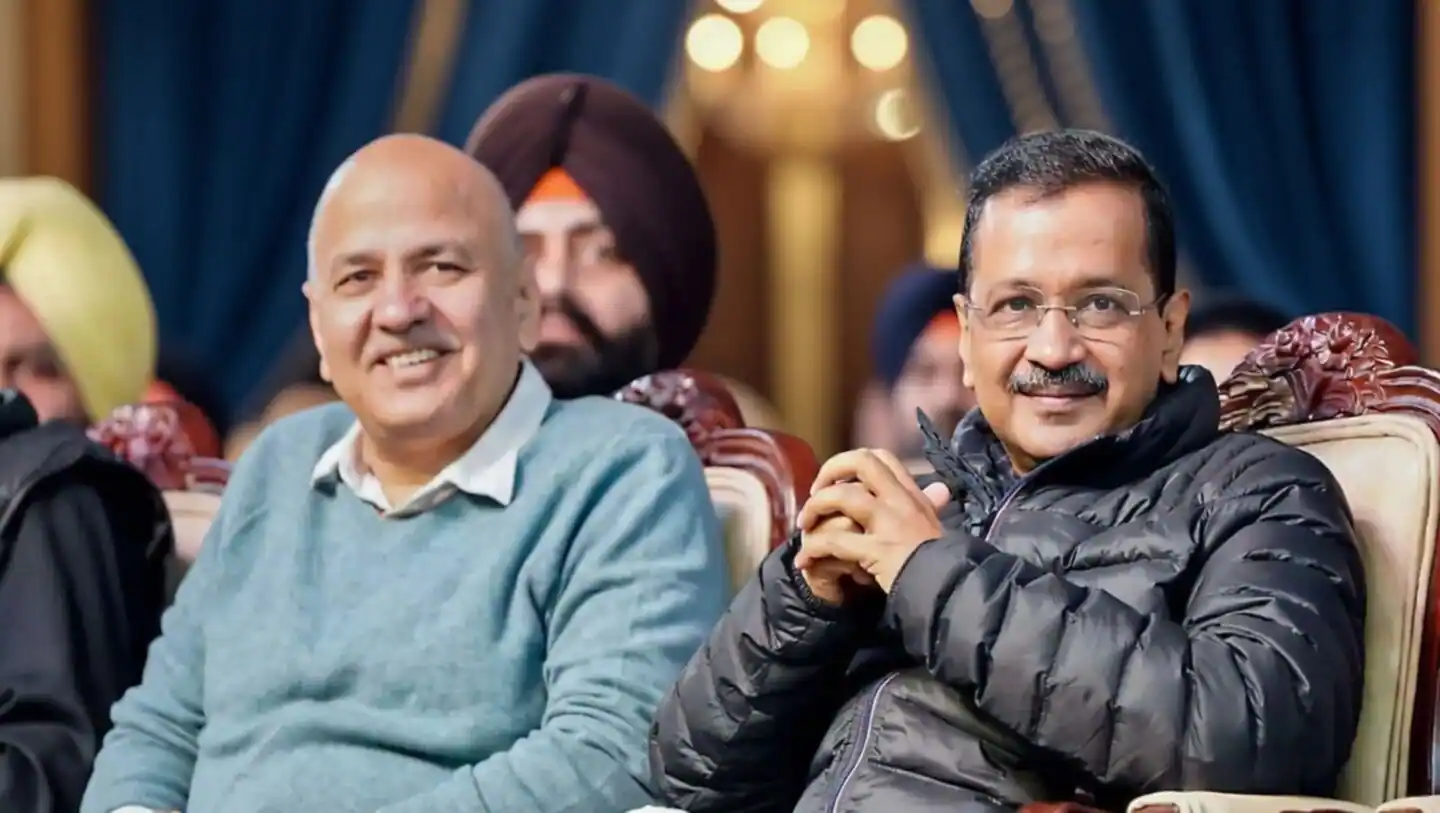
It’s not a typical legal battle. This is an allegation of intimidation of a sitting judge. In the heat are Manish Sisodia, Sanjay Singh, Vinay Mishra, Saurabh Bhardwaj and Durgesh Pathak along with Kejriwal. This suo motu contempt action was initiated by another judge some days ago. This judge was Justice Swarana Kanta Sharma. These politicians went over a hard line, she said. She claimed that they were involved in an organized social media attack against her and her judgment.
The timeline has to be followed back to the Delhi excise policy case. It started when a trial court handed Kejriwal and 22 others a huge legal victory on February 27. In a lengthy decision over 1,100 paragraphs, the trial court dismissed them all. That decision was unacceptable to the Central Bureau of Investigation. They immediately went to the Delhi High Court to challenge the discharge. The CBI’s revision petition landed with Justice Sharma. That’s when friction began.
The Fight Over the Judge
It is the AAP camp’s dismay that the CBI’s appeal is being heard by Justice Sharma. There were particular reasons. Kejriwal, Sisodia and Pathak submitted formal applications to her to recuse herself from the case. They claimed that there was a conflict of interest. Kejriwal pointed out that the judge’s son and daughter work as panel counsel for the Central government. This, he said, put a “real apprehension of bias” on the part of his colleagues
Need Help With Your PhD or LLM Thesis?
Explore our thesis and dissertation writing support services for PhD and LLM students. Get subject-specific academic assistance for your research project.
Explore Our Services →He uncovered an old case where his AAP colleague Satyendar Jain was involved, to build his case. In Jain’s case, a few years ago, the Enforcement Directorate had requested a judge to withdraw from the case due to its fear of bias. That was when the court granted that request. Kejriwal said the same thing applies to him now. But Justice Sharma refused to step down. Their applications to recuse were rejected by her on April 20. She said litigants cannot put the judiciary on trial to generate seeds of distrust.
That April 20 order was a red flag. The AAP leaders didn’t go the traditional route of filing a writ petition in the Supreme Court against her decision. They adopted a new tactic.They made a complete shift in their approach. They agreed to refuse to go into the courtroom at all.They agreed not to go into the courtroom.
Boycotts and Internet Attacks
Kejriwal wrote a formal letter to the judge on April 27. He told her straight out that he would not be involved in the case in front of her. Manish Sisodia and Durgesh Pathak followed suit. They did not attend, instead sending their own letter of non-attendence. The boycott was not limited to paper, however. Kejriwal published a video explaining his reasons for refusing the court’s process. He complained to his supporters about the problems he faced.
After that, they went online. Numerous posts were posted on various social media platforms in attack of the judge. She was called into question for integrity by anonymous accounts and by public supporters. Her April 20 decision was bitterly attacked by others. Excerpts of the video were shared quickly. The main talking point they had was that she was not self-governing and not doing what she wanted to do, but instead was acting under the influence of “political rivals.”
Justice Sharma was awake to watch this happen and took action on 14 May. She drafted a heavily detailed order pulling the AAP leaders up for contempt. She said that it is permissible to criticise a legal order fairly. Campaigning to demonise a judge as being politically biased is illegal. Her order said these actions were designed to “scandalise the court” and bring down the justice delivery system. She specifically termed it an “organized attack that was couched in public discussion.”
The Fallout is canceled for Tuesday.
She was obliged to make a procedural call on the original policy case for excise, having instigated the contempt proceedings. A judge can’t hear a case under contempt of court after issuing such charges. It disregards the basic decorum of the court. So, she withdrew from hearing the CBI’s appeal against the trial court’s discharge order.
Before she left the case she made sure that she made a point clear. This was not a recusal. She did not give in to their initial demands. Her order of April 20, 20, which denied recusal, remains on the books. She just left for discipline following the contempt situation. She said that any other bench could have heard the CBI revision petition; the direct attack on the judiciary was something that she alone could deal with.
This leads to the split schedule tomorrow. The High Court sent out its rotations. They needed to find a new courtroom for both the contempt issue and the CBI appeal.
Contempt case to be heard by Justices Navin Chawla and Ravinder Dudeja. They have the particular list of criminal contempts. They will need to read the letters, watch the videos and rummage through the internet posts to determine whether these politicians actively attempted to threaten the court.
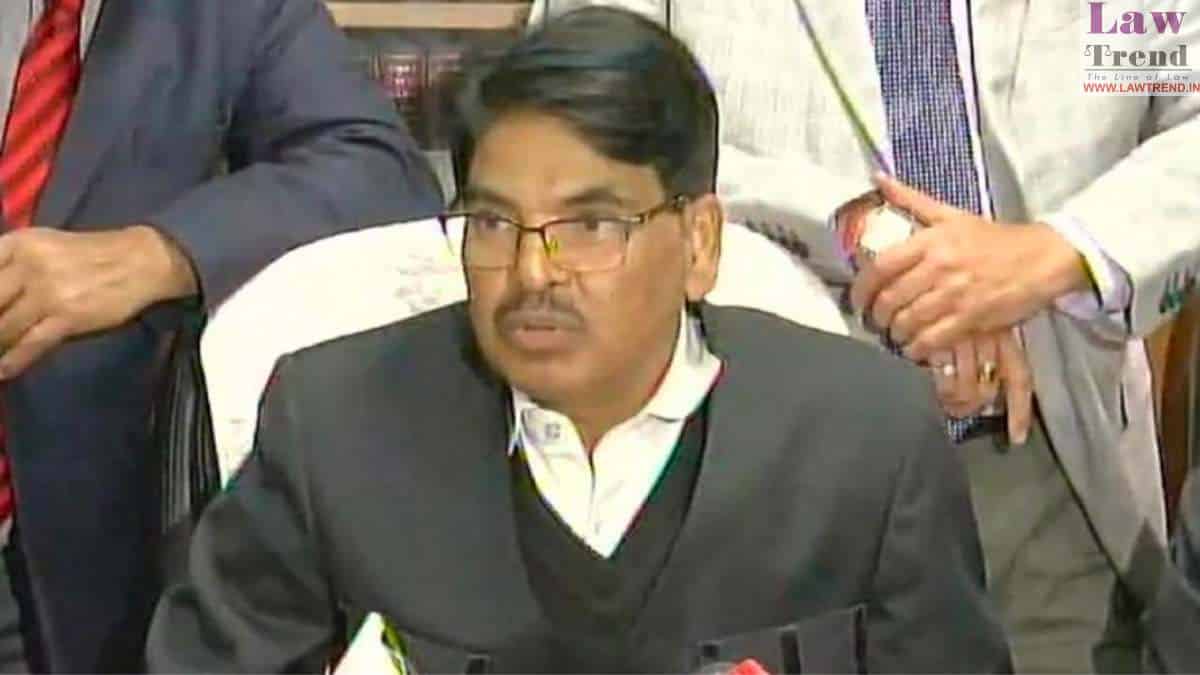
Meanwhile, another judge gets into the original excise policy fray. Now it will be up to Justice Manoj Jain to hear the challenge by the CBI against the discharge of Kejriwal and his team. Solicitor General Tushar Mehta and Additional Solicitor General SV Raju are advancing the plea of the CBI. They wish the February trial court order to be set aside in its entirety.
There will be two separate hearings tomorrow. The Chawla-Dudeja bench is facing contempt action. Justice Manoj Jain gets the CBI appeal. The AAP leaders will have to stand defense in one courtroom, for their social media strategy. In another one, they are required to defend the trial court order with which they walked free. The court calendar is full.