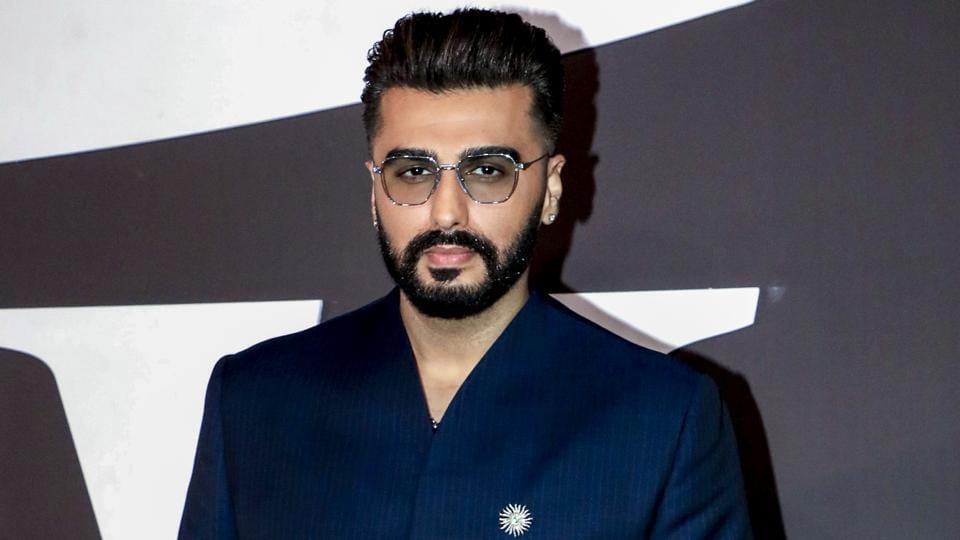
Bollywood star Arjun Kapoor entered the Delhi High Court on Wednesday with a request. He demanded iron-clad legal protection for his right to personality against the pervasive misuse online. With the rise of generative artificial intelligence, it’s more than ever easy to steal someone’s digital identity. Kapoor’s lawyers have sued several websites and John Does. They seek to have a tight grip on illegal merchandise and deepfakes
His lawyers, Advocate Pravin Anand, painted a grim picture of the internet. Anand presented instances of pornographic stuff and deepfakes featuring the actor. And merchants, whose identities are unknown, were selling mugs and T-shirts bearing Kapoor’s face without any royalties. The celebrity claimed this use of his face affects his brand. It also infringes on his dignity and privacy rights.
The Court Draws a Line in the Sand
The judge in this case was Justice Tushar Rao Gedela. He hear the arguments but made a very important point about legal rights. The judge made it very clear that not all content involving a celebrity can be removed. It is not possible to ban everything that doesn’t have permission. It applies only if the material is disparaging or defamatory
Need Help With Your PhD or LLM Thesis?
Explore our thesis and dissertation writing support services for PhD and LLM students. Get subject-specific academic assistance for your research project.
Explore Our Services →“When a person is in public glare, a lot of things happen,” Justice Gedela said in court. The courts know that they have to come in where things are downright derogatory, he said. But, commonplace content cannot be banned automatically for lack of consent. If the courts began banning things, all the past precedents would be meaningless.
In this case, the judge cited a precedent, the DM Entertainment case. This precedent effectively set the standards for dealing with celebrity rights in India. Celebrities, by virtue of their celebrity status, are bound to be talked about, parodied and discussed. It’s one thing to protect a commercial brand, but quite another to control the internet. The court warned against taking a heavy-handed approach.
Golgappas and Animal Morphs
Advocate Pravin Anand attempted to highlight the seriousness of the morphed content to dispel the judge’s doubt. He spoke of particular AI-generated images that morphed Kapoor in surreal ways. One depicted the actor as a hybrid with an animal. Another fake video showed him selling golgappas. According to Anand, these were not innocent pranks or typical internet satire
The lawyer said these videos go far beyond the realm of humour. He emphasised that ordinary internet users could well believe some of these highly realistic video manipulations are real. Anand highlighted the effect of the graphic and bizarre scenes on a person. “No one would like that. Even a common man,” he said.
Justice Gedela had a quick retort to that particular argument. “A common man doesn’t come to court for personality rights,” the judge replied. He noted the differences between the life of privacy of an ordinary person and the public life of a celebrity. Public personalities are inevitably subject to more public scrutiny and representations. They also have a higher threshold of offence.
The Role of Tech Giants
The court also had prominent tech companies represented. Google LLC’s lawyers were on hand to describe the current methods in place for dealing with these complaints. They alluded to a system set up in an earlier case involving actor Hrithik Roshan. This allows plaintiffs to notify the platforms about offensive URLs and content.
The social media platforms and search engines then examine the content. If it contravenes their policies or an order from court, they take it down. This process is often favoured over injunctions by tech companies. It leaves the job of tracking down precisely which links are in violation to the celebrity’s lawyers. Kapoor’s petition also included Meta Platforms and YouTube.
It’s a Growing Problem in Bollywood
Kapoor is not the only one taking action. There has been a dramatic increase in such cases in the Delhi High Court in the last 12 months. Earlier this month, the court granted interim relief to the celebrity rights of actors such as Allu Arjun and Mohanlal. They too were up against the same problems of synthetic voice and unauthorised product. The game plan for celebrity litigation is evolving.
In the first week of this year, the cricket coach, Gautam Gambhir and actor Vivek Oberoi obtained similar injunctions. And last year, a deluge of celebrities took matters to court. They included Bachchan family, Salman Khan, Karan Johar and Anil Kapoor. Even the spiritual gurus Baba Ramdev and Sri Sri Ravi Shankar want protection from misuse of their images online.
Within 24 hours of Kapoor’s case, Shark Tank India entrepreneur, Aman Gupta, launched a personality rights lawsuit. The number of cases reflects a glaring loophole in technology laws. Generative AI technology is becoming more affordable, efficient and user-friendly for the common internet user. It’s now possible to make an audio or video recording with just a smartphone.
Defining the Legal Boundary
The law is lagging behind machine learning technologies. India does not currently have a statute that defines and protects personality and publicity rights. Rather, lawyers are forced to rely upon a combination of copyright, trademark and privacy law. It’s a square peg in a round hole.
The challenge is to distinguish between fakes and legitimate free speech. Fan pages create “edits” and homages that use the likeness of an actor unofficially. Outlawing all uses could outlaw benign fan practice. The courts are in tricky territory. They need to shield the individual from bullying and allow for free speech on the internet.