Current Legal Update

Supreme Court Calls for Performance Audit of High Court Judges Amidst Concerns Over Delays and Accountability

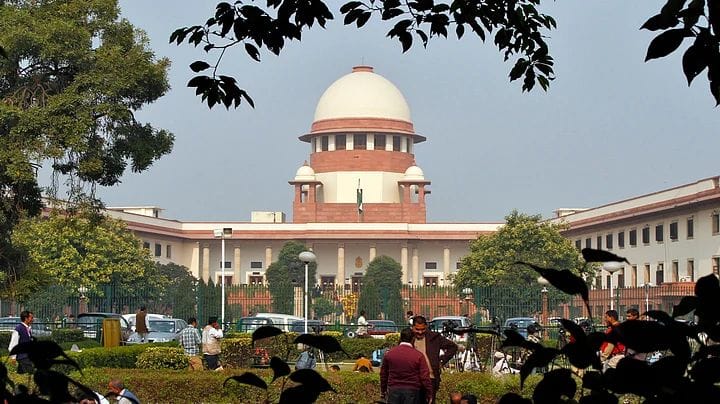
The Supreme Court is distressed by the delays and lack of performance of High Court judges. In light of the recent complaints about unscheduled breaks and the fact some judges had not delivered verdicts that had previously been reserved, the Supreme Court believes some form of a performance audit is necessary to find out whether High Court judges are producing an output consistent with public expenditure. This would aim to restore confidence in the judicial system through enhanced speedy justice and greater transparency.
Supreme Court

Supreme Court Sets Limits on Regulatory Assets for Electricity Tariffs: Emphasizes Accountability and Timely Recovery

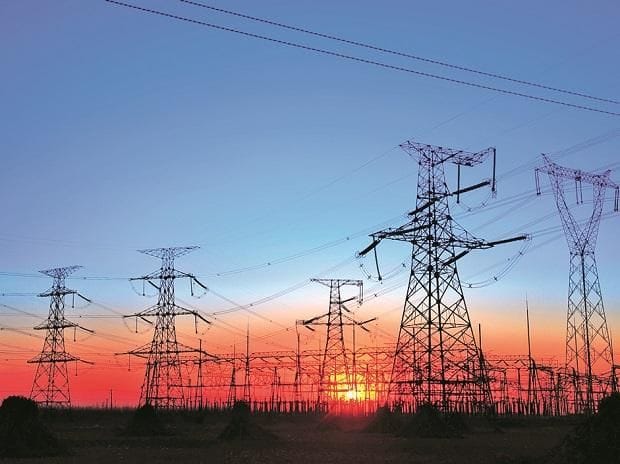
The Supreme Court made it clear that regulatory assets are only expected to be very rare, limited to only 3% annually of revenue, and to be fully recovered in 3 years for new or later assets and 5 years for existing or prior assets. Regulatory Commissions are expected to set up cost-reflective tariffs and equally manage regulatory assets in a fully transparent manner and subject to rules and policies. The judgment imposes strict accountability, and has empowered APTEL to ensure compliance and control against regulatory failure.

Current Legal Update

Simple Fraud Allegations No Bar to Arbitration, Rules Supreme Court

The Supreme Court has established that pending criminal proceedings based upon allegations of “simple fraud” (like cheating or breach of trust) does not prevent arbitration proceedings from progressing; only cases alleging “serious fraud” or cases that challenge the validity of the arbitration agreement or that protect public policy will estop an individual from arbitrating a dispute.

Current Legal Update

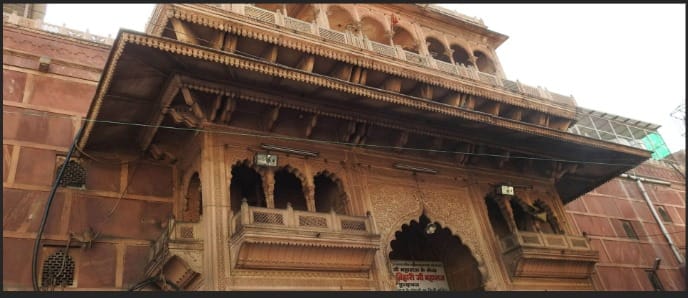
Management Committee of Thakur Shree Bankey Bihari Ji Maharaj Temple v. State of Uttar Pradesh

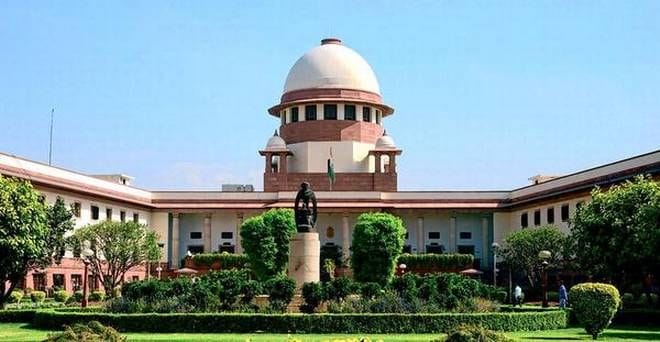
The Supreme Court suspended the operations of the management committee of the Thakur Shri Bankey Bihari Ji Temple and instituted a High-Powered Committee to oversee its operations. The SC took this step due to disputes faced by the previous management and its lack of efficiency. The Supreme Court also rerouted certain writ applications regarding the constitutionality of the Temple Trust Ordinance, which allows the State to handle its affairs towards the Allahabad High Court.

Current Legal Update

NO MORE ‘OPTIONAL’ FEES: SUPREME COURT CAPS ADVOCATE ENROLMENT CHARGES

The case of K. L. J. A. Kiran Babu v. The Supreme Court has firmly closed the matter of advocate enrolment fees by settling that the State Bar Councils are bound with very clear restrictions of receiving only the fee as prescribed by the Advocates Act. In throwing out the custom of imposing additional so-called optional fees, the Court has not only given some relief to money-strapped law-school graduates, but has also reflected a vital constitutional truth that the path to any profession must not be cluttered with extraneous financial requirements that are arbitrary and unlawful.