Current Legal Update

‘Apathy’ Towards Schools: Court Criticizes State After Building Collapses

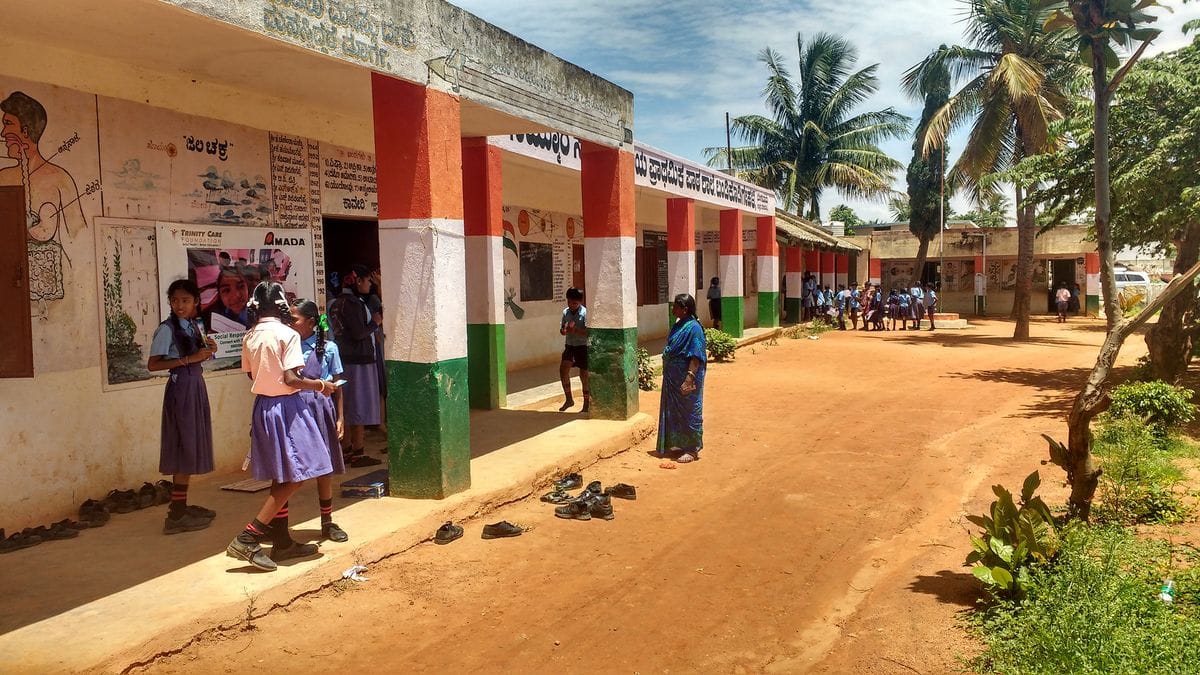
The Rajasthan High Court has taken suo motu cognizance with regard to the collapse of a government school building which it has blamed on the negligence of the state government with regard to school infrastructure maintenance. The court has castigated the insensitivity of the government and have given strong orders to inspect the situation in all the schools, make a plan to repair them and not to curtail the education of the involved students. By this intervention the judiciary is demonstrating its commitment to upholding the constitutional right of children in getting a secure education.

Current Legal Update

High Court Ruling On Aadhaar Redefines Citizenship Verification

The Bombay High Court has in rejecting a bail application in an authoritative and laudable order made it clear that Aadhaar card, along with other identity cards such as PAN card and Voter ID card, are not conclusive evidence of citizenship of India. The Court placed stress on the fact that citizenship is a legal status and its definition solely depends on the Citizenship Act, 1955. Since the document that mainly gave credit to the applicant as to his place of origin was found to be falsified, the Court refused relief by supporting the notion that by and large, the ordinary identity cards cannot supersede the definite framework on legal prerogative of gaining nationality.

Current Legal Update

Unilateral Divorce Under Scrutiny: The Talaq-e-Hasan Case

The Supreme Court is performing a last-minute examination of the constitutional validity of the Talq-e-Hasan. Receiving petitions of affected women, the Court has ordered dates of a final hearing and more importantly has shown clear intentions of considering substantive rights over procedural objections. Inviting the views of national rights commissions, the bench is gearing up to an evidence-based reviewing of the practice in detail. These initial guidelines indicate very strongly that the Court is about to give a substantive decision whether Talaq-e-Hasan is in line with the constitutional provisions of equality and fairness.

Current Legal Update

Supreme Court Recalls Order Banning High Court Judge From Hearing Criminal Cases

The Supreme Court lifted the ban of Justice Prashant Kumar and deleted the other remarks and passed the case back to the Allahabad High Court. The decision highlights the aspects of restriction of the interventions of the Supreme Court in the administrative aspects of high courts, and it also emphasizes the dignity of the courts and respect amongst the various courts.

Current Legal Update

NO MORE ‘OPTIONAL’ FEES: SUPREME COURT CAPS ADVOCATE ENROLMENT CHARGES

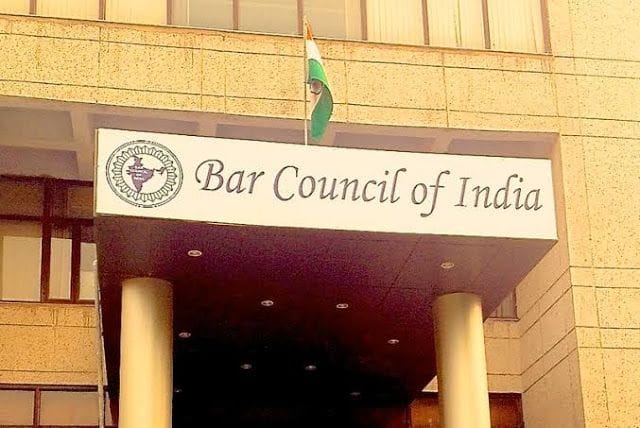
The case of K. L. J. A. Kiran Babu v. The Supreme Court has firmly closed the matter of advocate enrolment fees by settling that the State Bar Councils are bound with very clear restrictions of receiving only the fee as prescribed by the Advocates Act. In throwing out the custom of imposing additional so-called optional fees, the Court has not only given some relief to money-strapped law-school graduates, but has also reflected a vital constitutional truth that the path to any profession must not be cluttered with extraneous financial requirements that are arbitrary and unlawful.

Supreme Court

A WIN FOR VICTIM’S FAMILIES: SUPREME COURT MANDATES INCLUSION OF HRA IN ACCIDENT COMPENSATION

The Kavita Devi and Others v. In Sunil Kumar and Another the Supreme Court substantially increased the compensation to the family of a victim of an accident. The Court held that in determining compensation, actual income should consist of HRA and wages and the allowances are part of the benefits enjoyed by the entire family. The verdict stated that courts needed to abandon hyper-technical inferences and should be more comprehensive on the meaning of the word income in order to equally provide compensation that is both proper and appreciated. This decision holds fast to a victim-oriented approach to a motor accident claim.

Current Legal Update

PROTECTING THE HONEST v. PROSECUTING THE CORRUPT: SUPREME COURT WEIGHS IN

The Constitutional validity of the Section 17A of the Prevention of Corruption Act has been left pending by the Supreme Court, which asks that investigation on public servants must first be sanctioned by the government. The petition filed by the Centre of Public Interest Litigation heads contends that the clause is used to protect the corrupt. It is justified by the government because it acts as a protection to clean-handed administrators securing fearless governance. The ruling made by the court will play a critical role in determining the effort of anti-corruption versus the administrative protection.