Current Legal Update

Waqf (Amendment) Act 2025: Supreme Court’s Live Hearing, Keep Checking Legal Maestros for Updates

The Supreme Court’s live hearings on the Waqf (Amendment) Act, 2025, effective April 8, 2025, address challenges to its constitutional validity. The Act mandates waqf property registration, includes non-Muslims in waqf boards, and abolishes “waqf by user,” prompting objections for violating Article 26’s religious autonomy. Petitioners, including Asaduddin Owaisi, contest its provisions, while the Centre defends enhanced transparency and property oversight. The Court, under CJI B.R. Gavai, has paused denotification of waqf properties and non-Muslim appointments pending further review. Stay updated via Legal Maestros for real-time developments in this landmark case.

Current Legal Update

BCI Chairman Manan Mishra’s Plea to CJI Gavai: Barriers Faced by First-Generation Advocates in Litigation

First-generation advocates often find themselves at a disadvantage when it comes to securing courtroom assignments. In many high courts and the Supreme Court, case rosters are influenced by informal relationships and long-established networks. Senior advocates and prominent law firms receive priority, while new entrants struggle to gain visibility. Without invitations to argue important matters, these lawyers miss critical opportunities to build reputations, hone advocacy skills, and attract clients.

The absence of transparent criteria for assigning cases exacerbates this imbalance. Clerks and court officers frequently rely on personal discretion rather than a merit-based process, and clients default to familiar names even when fresh talent is available. This perpetuates a cycle where first-generation advocates remain on the periphery, unable to demonstrate their capabilities on high-stakes platforms. As a result, the profession loses out on diverse perspectives, and justice delivery risks becoming insular and less responsive to the needs of a varied populace.

Current Legal Update

Preserving Judicial Integrity: Why Justice Sanjiv Khanna Rejected Post-Retirement Assignments

The fact that Justice Sanjiv Khanna has decided to turn down all post-retirement appointments is evidence of his steadfast dedication to upholding the highest standards of judicial integrity. Furthermore, his position underlines that the highest judicial post carries responsibilities that extend beyond the bench, which is particularly important in this day and age, when public faith in institutions can be difficult to maintain. This individual has established a tremendous example for future jurists by refusing to accept the trappings of power once his tenure came to an end. His judgment kicks off an important conversation about the steps that must be taken in order to protect the independence of the judicial system and the trust that society places in those who are responsible for its protection. By doing so, Justice Khanna has not only paid tribute to the legacy of his ancestors, but he has also paved the way for future generations of judges to follow in his footsteps by establishing a route that is guided by principles.

Current Legal Update

Justice Yashwant Varma’s Cash Scandal: Constitutional Analysis of Impeachment vs. Voluntary Resignation

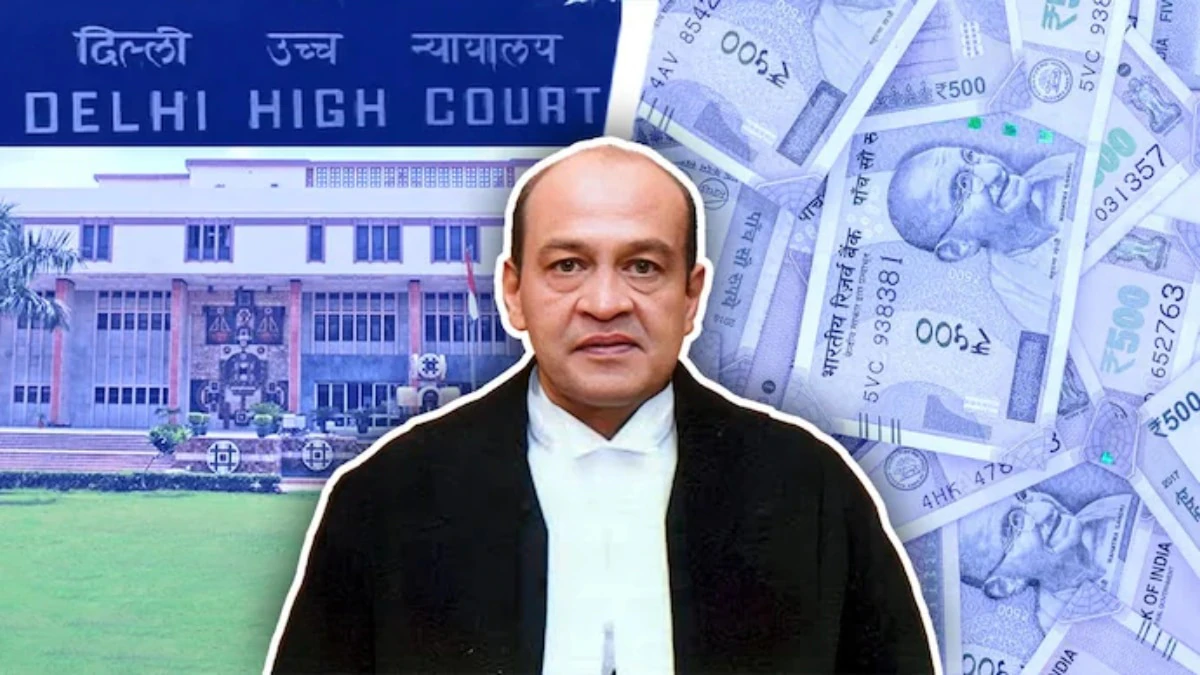
As a result of the payment incident involving Justice Yashwant Varma, India’s constitutional processes for judicial removal are currently being investigated. The rigorous procedures that are outlined in Articles 124 and 217, which are reinforced by the Judges (Inquiry) Act of 1968, demonstrate a considerate equilibrium between the independence of the judiciary and accountability. Despite the fact that impeachment provides a formal way to remove a judge from their position for misconduct that has been demonstrated, the process is complicated, time-consuming, and politically delicate. An approach that is both respectful and capable of resolving the issue in a timely manner while maintaining public confidence is providing a voluntary resignation. In the end, it may be necessary to combine both approaches in order to guarantee the integrity of the judicial system. This would involve combining robust constitutional safeguards with the moral persuasion of voluntary resignation in the event that substantial allegations are brought up.

Current Legal Update

Supreme Court to Decide Fate of Waqf Amendment Provisions

The soon-to-be reviewed Waqf (Amendment) Act, 2025, by the Supreme Court is a turning point in India’s recent debate regarding religious autonomy, rights of minorities, and state oversight. The provisions in the Act, such as adding non-Muslim members to Waqf Boards and granting government officials authority in disputes regarding property, have sparked discussion surrounding the power balance between secular administration and religious self-governance. While the government promotes transparency and inclusivity, critics are concerned about possible violations of constitutional safeguards given to religious minorities.

Current Legal Update

Assessing the Viability of NJAC’s Revival Post-Justice Yashwant Verma Controversy

Lastly, evaluating the feasibility of reviving the NJAC after the Justice Yashwant Verma fiasco entails a prudent appraisal of equilibrium between transparency, accountability, and the independence of the judiciary. The NJAC was initially designed to deal with the lack of transparency and alleged prejudices of the collegium system but succumbed to various challenges, including resistance from within the judicial establishment itself. The Justice Verma controversy has brought in an added layer of complexity by raising issues about the possibility of external influences and the requirement for a merit-based and just system of judicial appointments.

Current Legal Update

Waqf Board Restructuring and Property Rights: A Detailed Analysis of the 2025 Amendments

The 2025 Waqf (Amendment) Bill redesigns Waqf Boards and recasts property rights in India to introduce transparency and accountability. Major revisions involve limiting Waqf declaration to five years of practice as a Muslim, making women’s inheritance the top priority, and adding non-Muslims to boards. The changes replace Survey Commissioner with District Collectors, beef up government regulation, and invalidate the “Waqf by user”ctrine, affecting deeply rooted property status. While supporters believe that it deters abuse and makes management up to date, others point towards possibilities of violations to religious sovereignty and community rights. This review addresses the constitutional, social, and legal effects of these changes.

Current Legal Update

Legal Battles and Political Interference in Indian Sports Federations: The Need for Governance Reforms

Legal complexities of Indian sport federations, frequently based on political interference, mismanagement, and power struggles within the organization, have severely crippled the development of sports across India. Failure in governance has resulted in fiscal losses, uncertainty for sportspersons, and reputational loss at the international stage. Judicial intervention, though beneficial in disentangling some situations, calls for long-term solutions based on structural reforms where transparency and professionalism stand above political agendas.

CRIMINAL LAW

Section 236 of the Bharatiya Nagarik Suraksha Sanhita, 2023: Detailed Particulars for Clear Charges

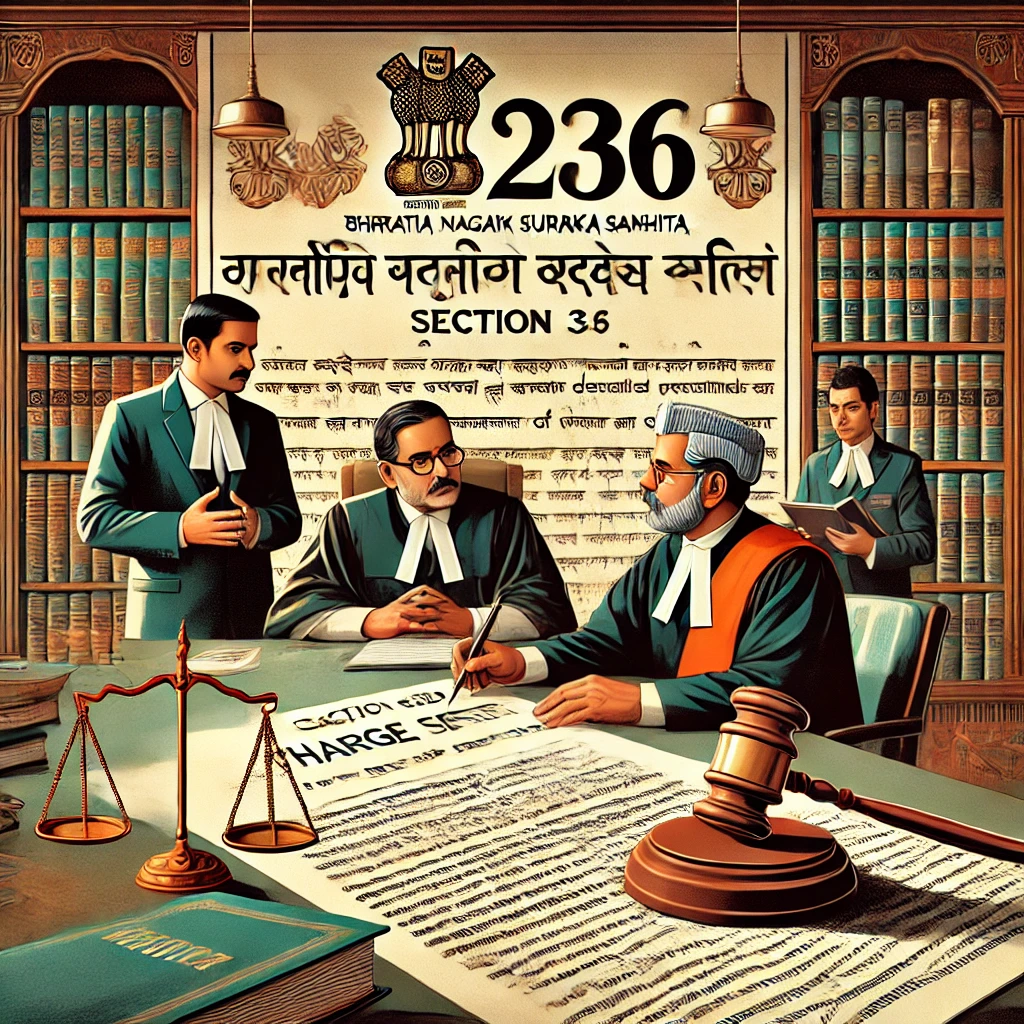
Section 236 of the Bharatiya Nagarik Suraksha Sanhita (BNSS), 2023, directs specific details in criminal charges for the sake of clarity and transparency, overriding the CrPC, 1973. Prosecutors must state definite facts—such as the mode, means, or circumstances of the offence—beyond minimum legal references. The provision is designed to banish uncertainty so that the accused may fully grasp allegations and mount a defense. By imposing detailed charge framing, Section 236 promotes judicial effectiveness, minimizes trial mistakes, and maintains justice, representing a progressive development in India’s criminal justice reforms.

CRIMINAL LAW

Can the Identity of Examiners Be Disclosed Under the RTI Act?

India’s Right to Information Act, 2005, makes citizens capable of accessing information possessed by public authorities, enhancing transparency. The revelation of examiners’ names under this Act is still controversial. The Supreme Court, in a 2016 judgment, held that the disclosure of examiners’ names would put their lives at risk and distort the system of examination, invoking a relationship of fiduciary between examiners and bodies such as the Public Service Commission. Section 8(1)(g) of the RTI Act also shields such information when disclosure risks life or safety. Therefore, the identities of examiners are normally exempted, weighing transparency against security interests.