Current Legal Update

Stalin v Modi : Tamil Nadu’s Legal Battle in Supreme Court for ₹2291 Crore Samagra Shiksha Funds Release

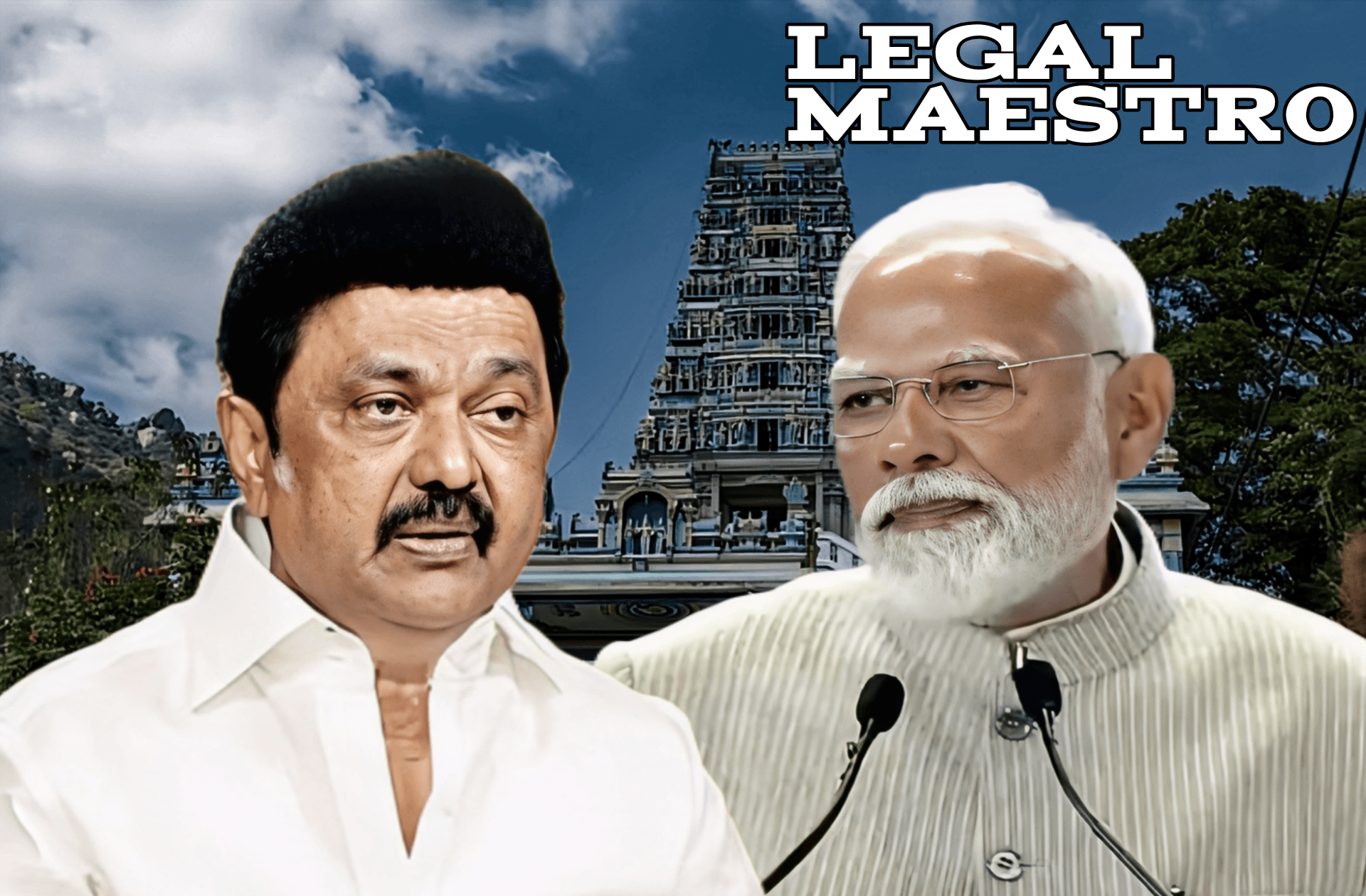
Tamil Nadu’s Chief Minister M.K. Stalin moved the Supreme Court seeking release of ₹2,291 crore under the Samagra Shiksha scheme, arguing statutory entitlement. The Centre cited procedural lapses for withholding funds. The Court ordered partial release and timelines for compliance, underlining the balance between federal cooperation and accountability.

Current Legal Update

Ensuring Merit and Experience: The Supreme Court’s Landmark Ruling on Judicial Service Recruitment

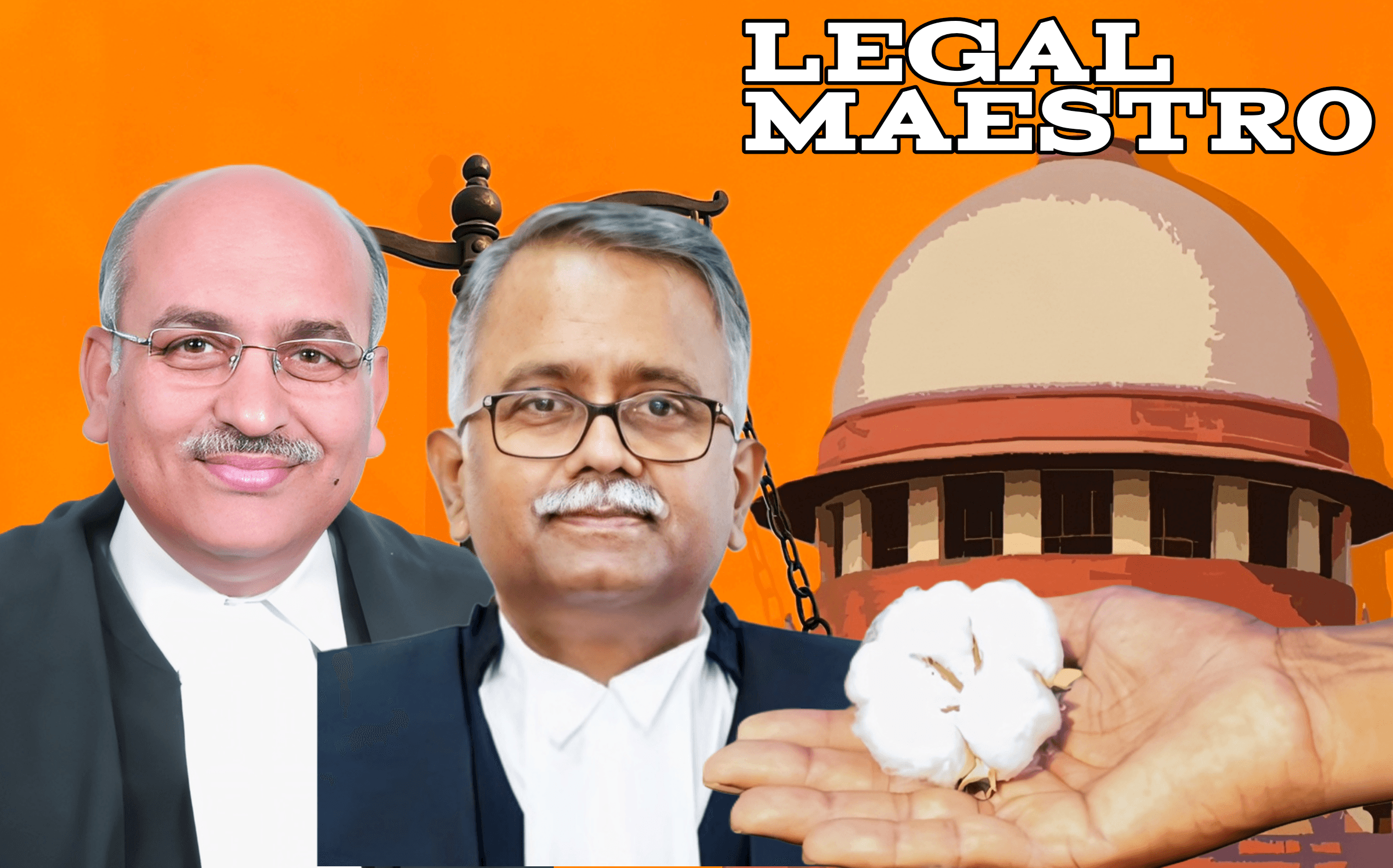
The Supreme Court restored essential safeguards in judicial recruitment May 20, 2025, reinstating quotas and minimum experience requirements for entry and promotion. By balancing merit and practical legal training, the judgment ensures consistent standards across states and prepares candidates with necessary courtroom exposure, strengthening India’s subordinate judiciary for future challenges.

The Supreme Court restored essential safeguards in judicial recruitment May 20, 2025, reinstating quotas and minimum experience requirements for entry and promotion. By balancing merit and practical legal training, the judgment ensures consistent standards across states and prepares candidates with necessary courtroom exposure, strengthening India’s subordinate judiciary for future challenges.

Current Legal Update

Supreme Court Upholds Administrative Consistency in Service Dispute: R.P. Azad vs. Union of India

In R.P. Azad vs. Union of India, the Supreme Court upheld administrative consistency in a service dispute, emphasizing fair application of service rules. The case involved R.P. Azad challenging arbitrary administrative actions affecting his service conditions. The Court ruled that administrative decisions must adhere to principles of natural justice and consistency, ensuring equitable treatment. It highlighted the importance of transparent procedures in service matters, reinforcing protections against arbitrary executive actions. This decision strengthens the framework for resolving service disputes, prioritizing fairness and legal compliance.

Current Legal Update

Supreme Court Acquits Appellants in Corruption Case After 40 Years Due to Procedural Lapse and Juvenility

In a landmark ruling, the Supreme Court of India acquitted appellants in a corruption case pending for over 40 years, citing procedural lapses and the appellants’ juvenility at the time of the alleged offense. The Court found the prosecution failed to prove the demand and acceptance of bribes beyond reasonable doubt, compounded by flawed investigative procedures. Additionally, the appellants’ claim of being juveniles under the Juvenile Justice Act was upheld, rendering their convictions unsustainable. This decision underscores the importance of procedural integrity and juvenile protections in corruption trials, ensuring justice aligns with legal standards.

Current Legal Update

Partition Disputes, Benami Law, and Hindu Family Property: A Supreme Court Clarification

The Supreme Court of India, in recent rulings, has clarified critical aspects of partition disputes, Benami law, and Hindu family property. In Angadi Chandranna vs. Shankar & Ors., the Court held that post-partition, joint Hindu family property becomes self-acquired, affirming individual ownership rights. Additionally, the Court’s recall of its earlier judgment on the Benami Transactions (Prohibition) Amendment Act, 2016, revived 4,800 cases, emphasizing prospective application. These decisions impact property disputes, inheritance rights, and legal frameworks governing Hindu joint families, ensuring clarity in ownership and transactions.