Supreme Court Takes Note of Growing Student Suicides in India: Directs State Govts/UTs to Notify Rules for Private Coaching Centres
On 25th July 2025, the Supreme Court delivered its judgment in Sukdeb Saha vs. State of Andhra Pradesh and Ors[1]…
Keeping Pace with Legal Change
On 25th July 2025, the Supreme Court delivered its judgment in Sukdeb Saha vs. State of Andhra Pradesh and Ors[1]…
In Sharad Birdhichand Sarda vs. State of Maharashtra, the Supreme Court set out the five golden principles for relying on circumstantial evidence in criminal trials, stressing that every link in the chain must be conclusively established and exclude all reasonable doubt, ensuring that conviction is based only on evidence that points solely to the accused’s guilt.
The instance of the Thangavel Vs. The State, Through Inspector Of Police & Anr., A school official, Thangavel, was charged with abetment of suicide when the child committed suicide, after receiving a scolding on his poor behavior on a report made by one of his fellows. The Supreme Court had to think whether the scolding was an act of criminal abetment under Section 306 IPC (now Section 108 BNS). The Court referred to the action of Thangavel as reasonable use of disciplinary power without personal hostility and intent to make suicide.
In the case of Jagdish Gond v. State of Chhattisgarh, the Supreme Court made it clear that allegations of suspicion alone are not sufficient to warrant a conviction. It highlighted gaps in evidence and incorrect reversal by the High Court, and it reinstated the acquittal of a husband who was accused of murder by the trial court.
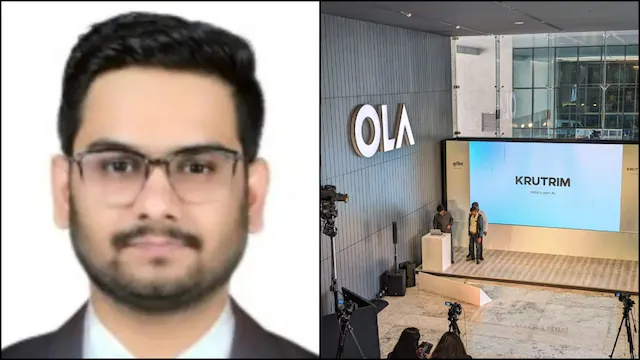
In May 2025, a young Ola Krutrim engineer in Bengaluru took his life amid crushing workloads and a toxic environment. His death exposed how India’s tech sector often sidesteps labor laws, leaving skilled professionals without proper safeguards. Urgent reforms in legal protections and company culture are needed to prevent tragedies.