BNSS

Sections 6, 7, and 8 of the Bharatiya Nagarik Suraksha Sanhita, 2023 – Establishing a Unified Framework for Criminal Courts: Court Classes, Sessions Divisions, and Operational Protocols

With a particular emphasis on Sections 6, 7, and 8, this article provides an explanation of the composition and organizational structure of criminal courts and offices that fall under the jurisdiction of the Bharatiya Nagarik Suraksha Sanhita, 2023. Using straightforward language, it provides information regarding the categorization, jurisdiction, appointments, and operational procedures of the judicial system.

Current Legal Update

J&K Police’s PSA Crackdown in Srinagar: Constitutional Analysis of Public Safety Act’s Role in Mass Detentions Post-Pahalgam Attack

The Public Safety Act empowers senior executive officers to order preventive detention in the name of “public order” or “security of the State.” Under Section 8, a Divisional Commissioner or District Magistrate may detain any person for up to two years if they believe that individual’s activities could disturb peace or incite violence. Detention orders must outline the grounds for arrest within ten days, although Section 13 permits withholding of sensitive details deemed against public interest. Critics argue that such broad discretion enables arbitrary use of power, eroding trust in the legal system.

Once a detention is ordered, Section 16 mandates that an Advisory Board—comprised of members appointed by the State Government—review the case within four weeks. However, detainees are denied access to legal counsel during these proceedings, and the Board’s recommendations are non-binding. Section 22 further shields officials from legal liability for actions taken “in good faith” under the Act. Together, these provisions create a framework where procedural safeguards exist in theory but often falter in practice, leaving detainees with limited recourse to challenge prolonged preventive detention.


Law Notes

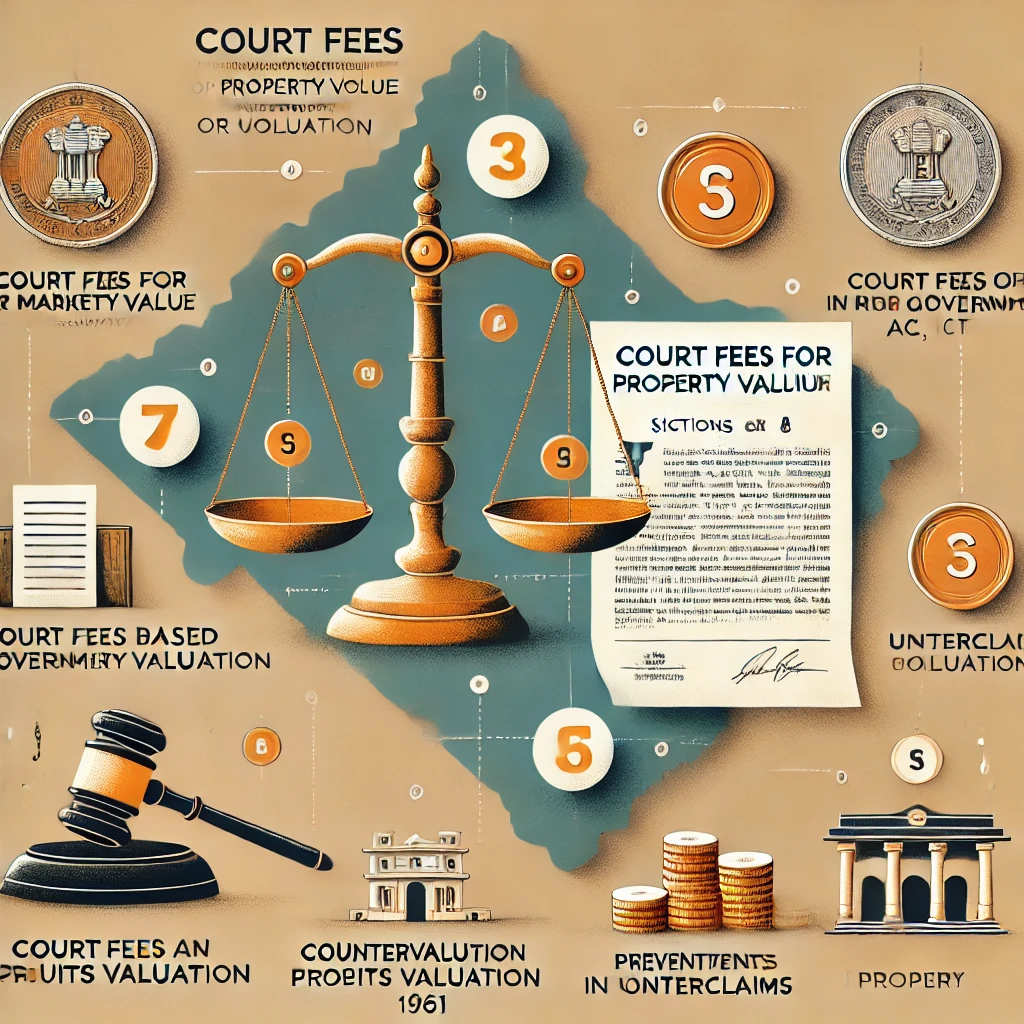
Court Fees for Property Value and Counterclaims: Sections 7 and 8 of the Rajasthan Court Fees and Suits Valuation Act, 1961

Sections 7 and 8 of the Rajasthan Court Fees and Suits Valuation Act, 1961 define court fees for property valuation and counterclaims. Section 7 mandates that court fees for property-related suits be calculated based on the market value or government valuation. Section 8 ensures that counterclaims are treated as separate suits, requiring an independent fee assessment. These provisions prevent undervaluation and ensure fairness in litigation. Understanding these sections is essential for litigants, lawyers, and courts to determine the correct court fee liability and comply with judicial procedures.