BNSS

Legal Powers and District-Level Governance: Sections 12, 13, and 14 of the Bharatiya Nagarik Suraksha Sanhita, 2023

The purpose of this page is to provide an explanation of Sections 12, 13, and 14 of the Bharatiya Nagarik Suraksha Sanhita, 2023. These sections outline the local jurisdiction, subordination, and powers of Judicial and Executive Magistrates in straightforward English. Additionally, this article includes all of the most important provisions along with practical illustrations.

Current Legal Update

J&K Police’s PSA Crackdown in Srinagar: Constitutional Analysis of Public Safety Act’s Role in Mass Detentions Post-Pahalgam Attack

The Public Safety Act empowers senior executive officers to order preventive detention in the name of “public order” or “security of the State.” Under Section 8, a Divisional Commissioner or District Magistrate may detain any person for up to two years if they believe that individual’s activities could disturb peace or incite violence. Detention orders must outline the grounds for arrest within ten days, although Section 13 permits withholding of sensitive details deemed against public interest. Critics argue that such broad discretion enables arbitrary use of power, eroding trust in the legal system.

Once a detention is ordered, Section 16 mandates that an Advisory Board—comprised of members appointed by the State Government—review the case within four weeks. However, detainees are denied access to legal counsel during these proceedings, and the Board’s recommendations are non-binding. Section 22 further shields officials from legal liability for actions taken “in good faith” under the Act. Together, these provisions create a framework where procedural safeguards exist in theory but often falter in practice, leaving detainees with limited recourse to challenge prolonged preventive detention.

CRIMINAL LAW

Section 13 Stringent Measures for Previous Convictions in Bhartiya Nyaya Sanhita 2023

In short, the strengthened punishment clause in the Bhartiya Nyaya Sanhita 2023 is intended to prevent repeat serious crimes by punishing those who have convictions much more severely. By increasing the penalty for offenders who persist in their crimes, the law hopes to make the legal system stand firm against ongoing criminality. This is new-age thinking that is likely to increase public faith in the legal system and make society safer for all.

Further information from other legal analyses and news accounts highlight the significance of this action in having a deterrent impact. The focus on tough treatment for recidivists is a demonstration of the changing needs of society and the ongoing efforts of legislators to enhance public safety and justice.

Law Notes

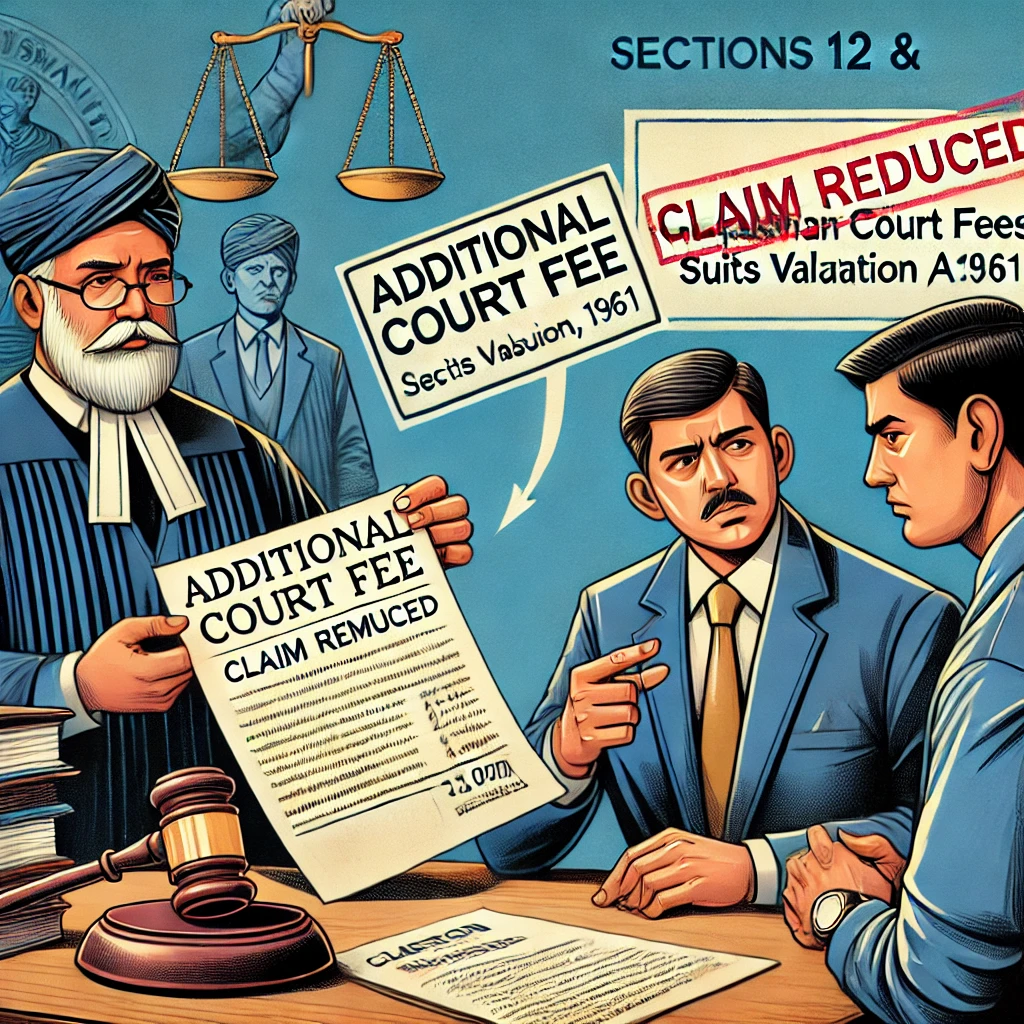
Additional Court Fees and Claim Relinquishment: Sections 12 & 13 of The Rajasthan Court Fees and Suits Valuation Act, 1961

The Rajasthan Court Fees and Suits Valuation Act, 1961, in Sections 12 and 13 controls extra court charges and abandonment of claims in lawsuits. Section 12 permits the courts to add supplementary charges in case the original payment proves to be less than required so as to correspond to the true valuation of the suit. Section 13 supports claimants in abandoning portions of their claims with resultant fee modification that is commensurate to the diminished claim amount. These provisions maintain accurate fee assessment, deter undervaluation schemes, and ensure rightful state revenue from court fees, upholding fairness and integrity in the judicial process.