Allahabad HC Withholds Dictated Order Directing FIR Against Rahul Gandhi, Says Prospective Accused Must Be Heard
Introduction The Allahabad High Court has just come up with a crucial observation as it handled a petition to get…
Keeping Pace with Legal Change
Introduction The Allahabad High Court has just come up with a crucial observation as it handled a petition to get…
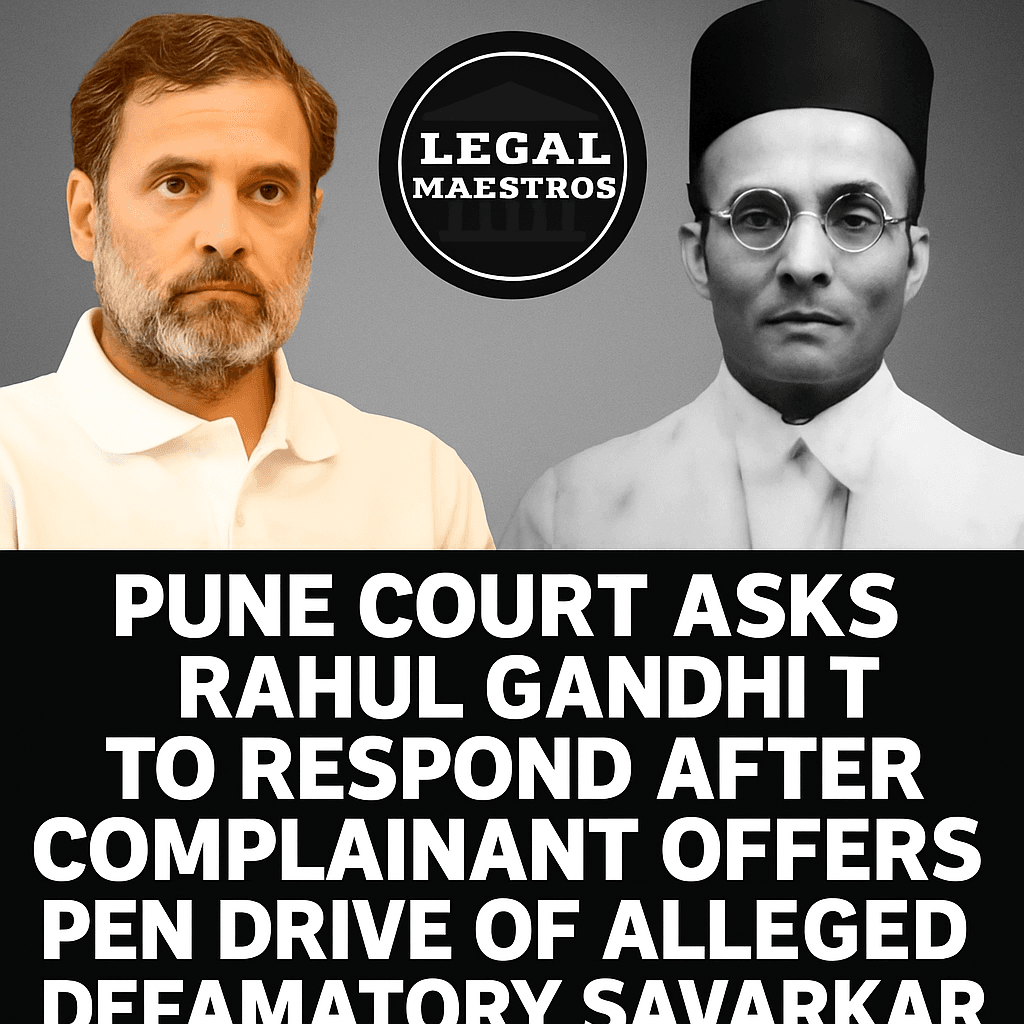
In a defamation case filed against him, Congress party leader Rahul Gandhi has been ordered by a special court in Pune to make a formal response concerning new evidence provided in the case.
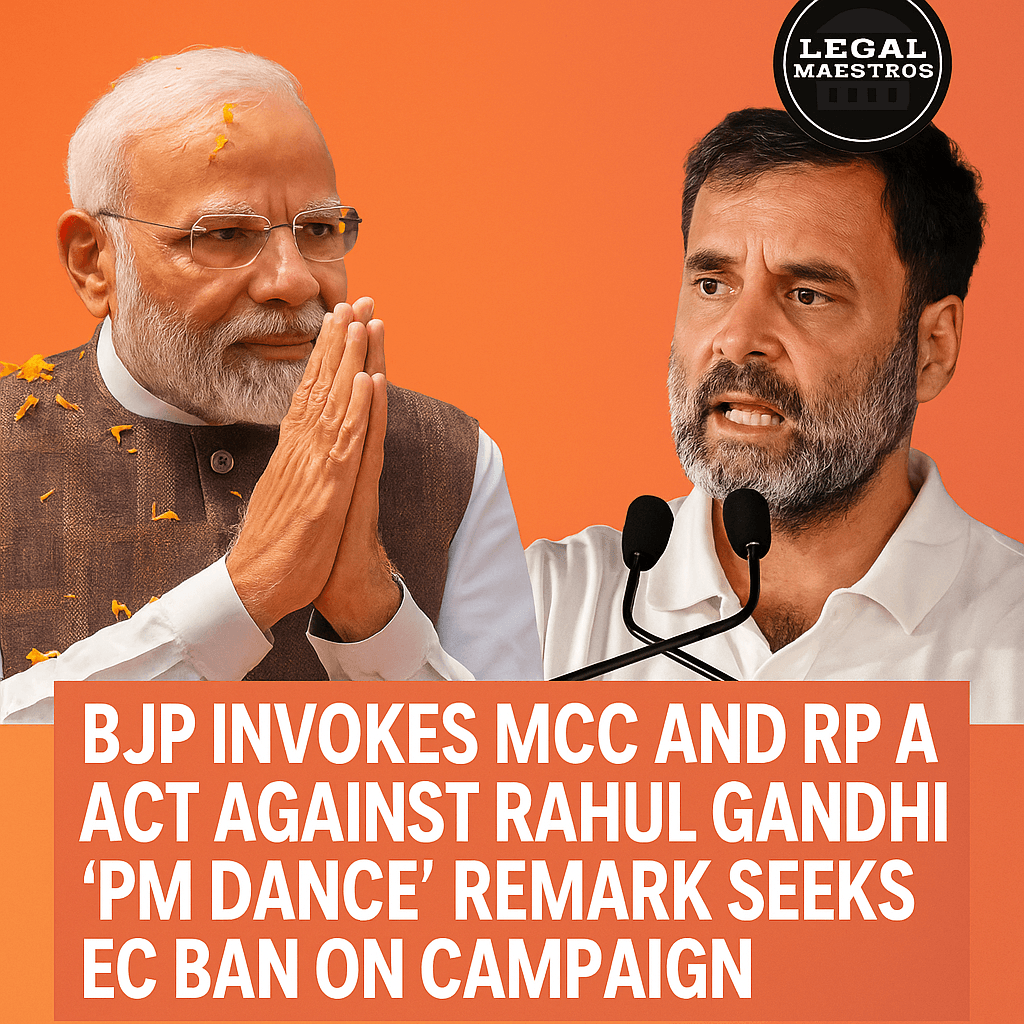
The Bihar assembly election campaign has seen a massive political explosion as out of the rally ground to the offices of the Election Commission of India. Bharatiya Janata Party (BJP) has lodged a formal complaint with the Congress party against Rahul Gandhi, his senior, over what they consider to be highly derogatory, indecent and personal remarks directed at Prime Minister Narendra Modi.
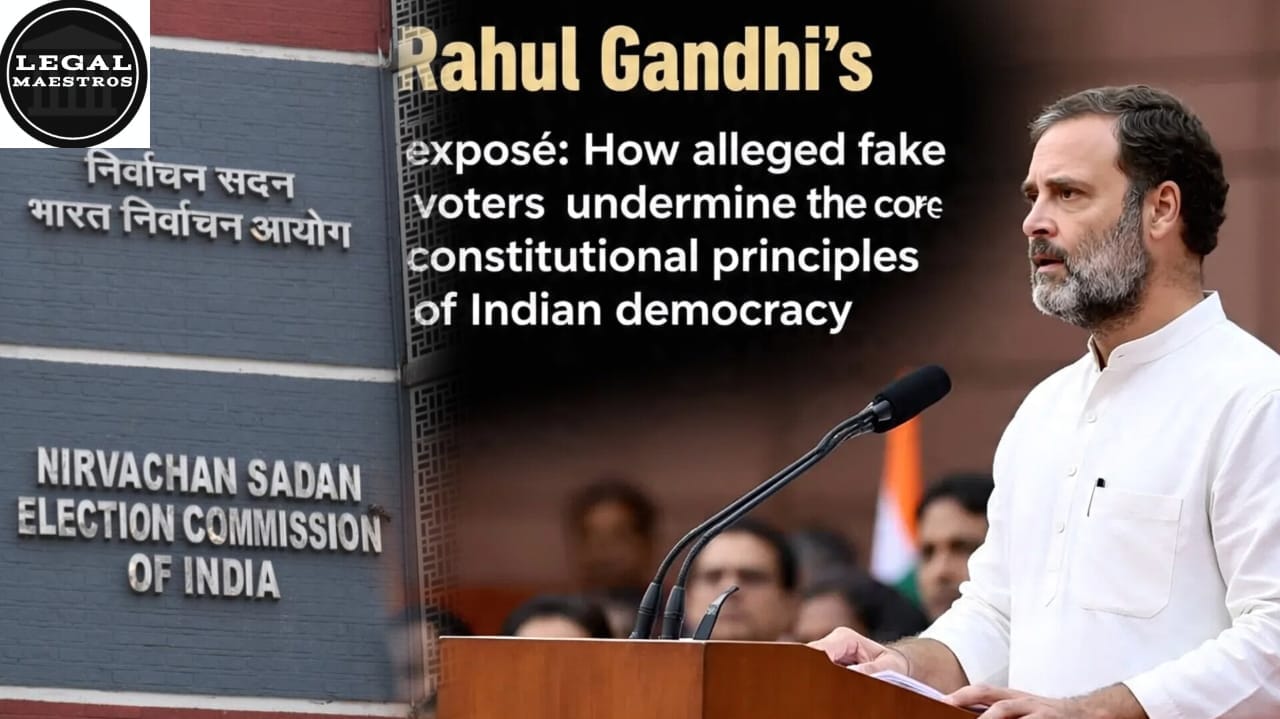
The Price of Phantom Votes: How Alleged Fake Voters Threaten India’s Democratic Promise Recently, Rahul Gandhi has loudly and clearly…
In this paper, the author will discuss the recent court order on Satyaki Savarkar vs. Rahul Gandhi is making an argument based on the inherent right against self-incrimination portrayed in the Article 20(3) of the Indian Constitution. It brings out the refusal of the court to force the accused to tender incriminating documents prior to trial, the onus of proof where it rests upon the complainant and the presumption of innocence.
In a series of remarks that he made not too long ago, Rahul Gandhi asserted that there was widespread manipulation…
In Rahul Gandhi v. State of U.P., the Court of Allahabad held that a genuine ‘aggrieved person’ must exist for criminal defamation. Justice Subhash Vidyarthi affirmed magistrate discretion under Sections 199 and 482 CrPC, judicially limiting quashing to exceptional cases.
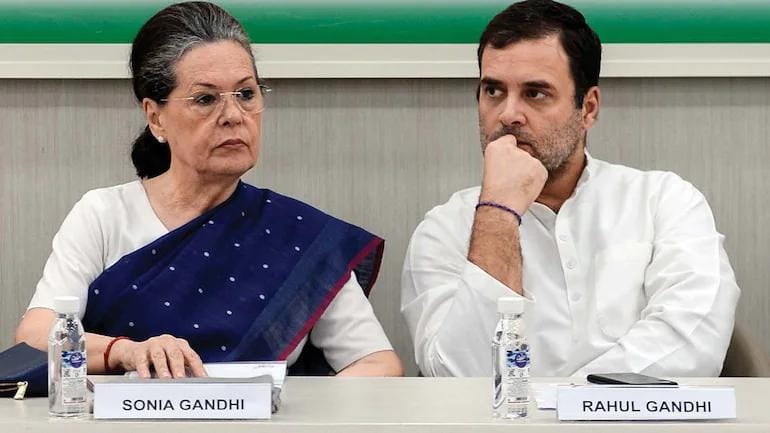
The case of the National Herald is a significant convergence of corporate governance, legal responsibility, and political crisis. With fraud and mismanagement charges against some of India’s top politicians, including Sonia Gandhi and Rahul Gandhi, the trial has not only been eyed for its legal contours but also for its transformative role in recalibrating popular faith in democratic institutions. Legal provisions under the Companies Act, the Indian Penal Code, and other regulatory environments are at the heart of analysis of the case, while judgments in landmark cases offer useful insight into the responsibilities of corporate as well as political leaders.