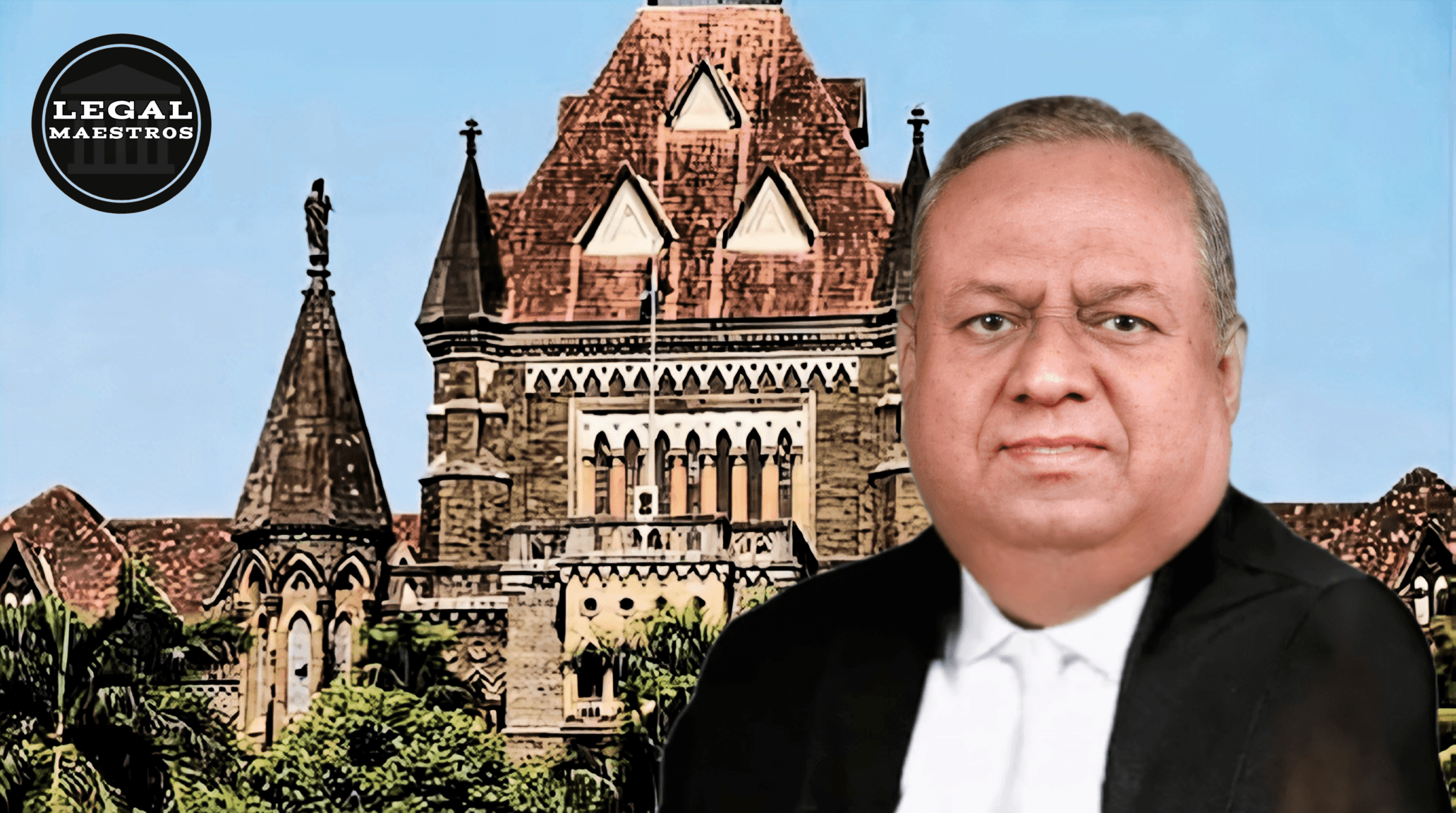
Justice Milind Jadhav Rejects Recusal in Tenancy Case, Fines Petitioner ₹50,000 for Raising Corruption Allegations Against Him
Justice Milind N. Jadhav of the Bombay High Court declined an application of his recusal, in a case of an…
Keeping Pace with Legal Change
Justice Milind N. Jadhav of the Bombay High Court declined an application of his recusal, in a case of an…
The Supreme Court has now articulated the sustainable guidelines on when registered societies can be regarded as “constructive trusts” for charitable purposes under Section 92 of the CPC. The Court concluded that in the context of public good, trust or no trust, societies who hold title to properties for public good, do so in a fiduciary capacity. Accordingly, the Courts can provide relief in the case of alleged fraud, breach (or mismanagement) or simply do not aesthetic objective directions as part of the administration.
The given article examines an important judgement of the Orissa High Court on the matter of the unlawful destruction of a communal building, and points to how the court admonished the disregard of procedure and an abuse of authority by the executive particularly closely. Cruciality of following guideline by Supreme Court on demolition, protection of constitutional right of people and getting confidence of people in governance has been stressed by the ruling. It is a grave cautioning that the action taken by the state can never be out of line with the postulates of natural justice and the rule of law.
In a decision that was presided over by Justices Surya Kant and N Kotiswar Singh, the Supreme Court upheld the decision to fire ITBP Constable Jageshwar Singh for stealing money from the cash box of the institution. The Supreme Court placed a strong emphasis on the principle of proportionality and a zero-tolerance policy on theft of trust.
The legal profession in India is held to high ethical standards, emphasizing integrity, impartiality, and dedication to justice. Advocates are expected to serve society by upholding the law, rather than engaging in commercial activities that could compromise their objectivity and the profession’s dignity.