Patna High Court Takes Away Criminal Cases from Judge Says Judge Needs Training
The Patna High Court has taken away the criminal cases that a judge was handling. This happened because the court…
Keeping Pace with Legal Change
The Patna High Court has taken away the criminal cases that a judge was handling. This happened because the court…
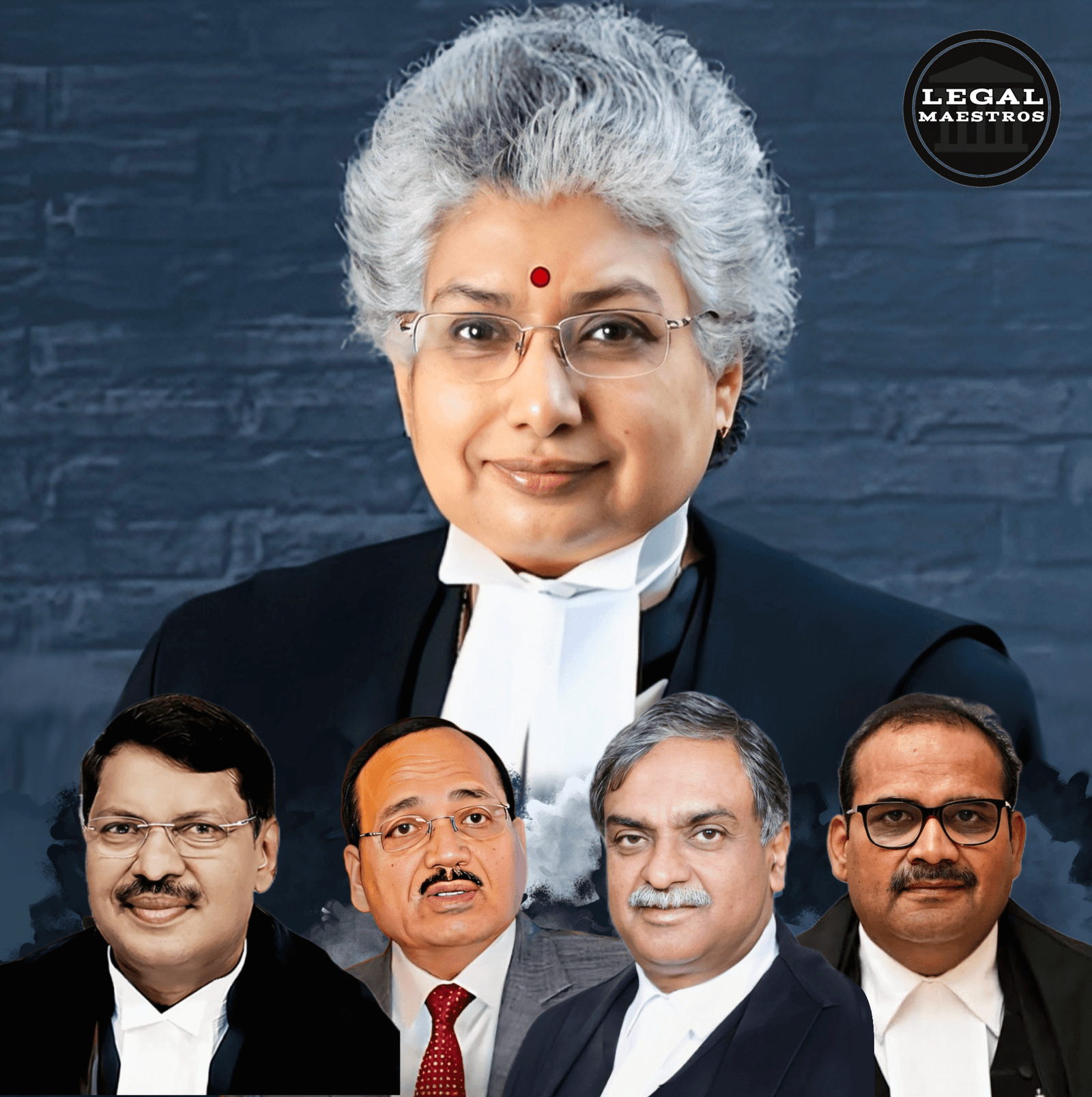
By Justice Katju I regard Justice BV Nagarathna as the best Judge in the Indian Supreme Court today, erudite, upright…
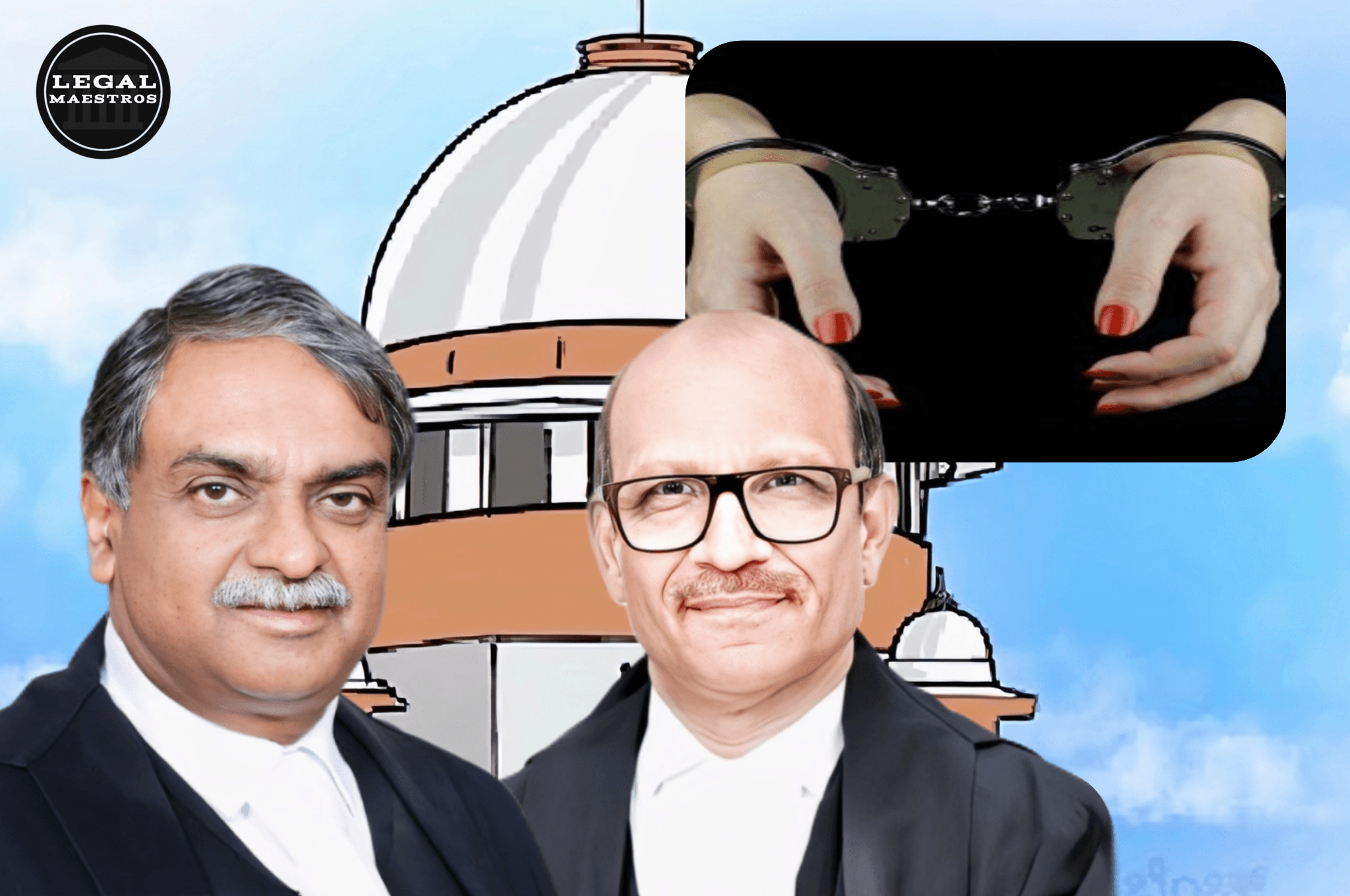
The case in question is of traumatizing nature as the Supreme Court of India recently declared a case that was…
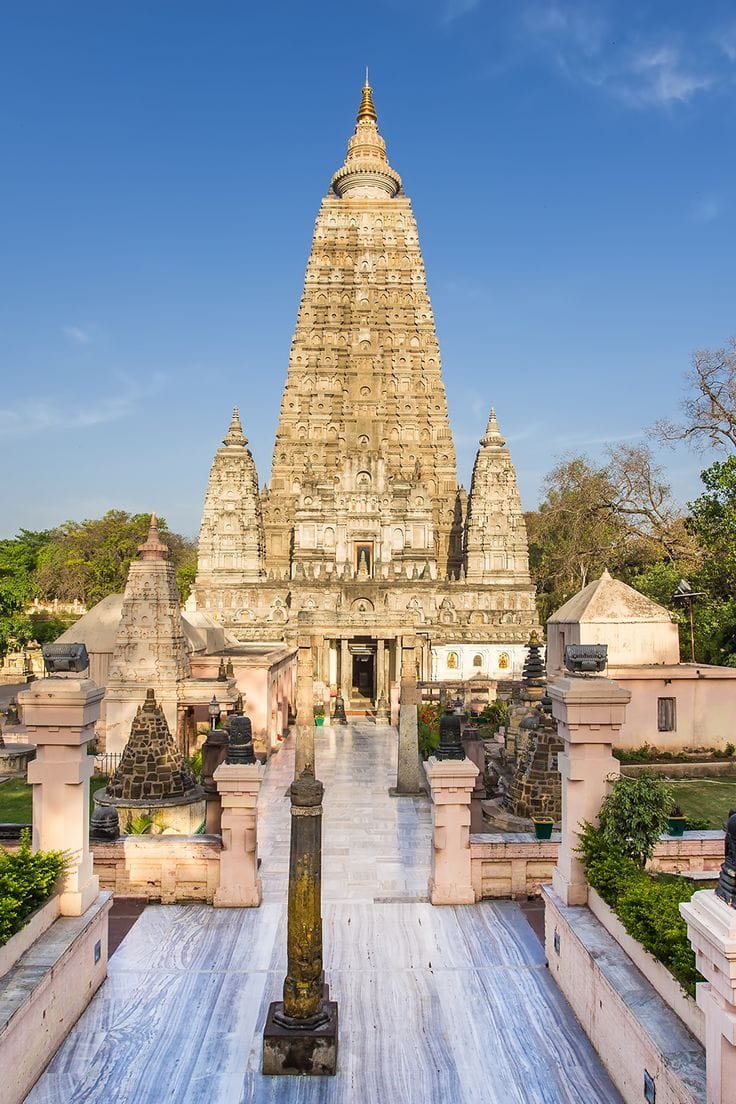
In a 2025 judgement, the Supreme Court of India declined to entertain a petition under Article 32 seeking exclusive Buddhist control over the Mahabodhi Temple, Bodh Gaya. Filed by ex-minister Sulekhatai Kumbhare, the petition challenged the constitutional validity of the Bodh Gaya Temple Act, 1949. The Court cited procedural grounds, suggesting the matter be taken to the Patna High Court. The case underscores ongoing tensions around religious autonomy and minority rights in sacred site administration.
This case concerns a gold loan dispute in which the complainant, Abhishek Singh, claimed that the bank had committed fraud and misappropriation after he paid back his debts but failed to receive the gold he had pledged. Citing it as a counterblast, the High Court dismissed the FIR against bank officials. By assessing the evidence and making conclusions based on malice without a trial, the High Court exceeded its authority under Section 482 CrPC.
On May 9, 2025, the Supreme Court ruled that police cannot conduct narco-analysis without the accused’s consent, emphasizing that such tests violate Articles 20 and 21 of the Constitution. The Court also declared the Rajasthan High Court’s precedent in Sunil Bhatt v. State unsustainable, affirming that narco-test results alone are not admissible evidence and cannot justify conviction.