High court

Madhya Pradesh High Court Grants Bail to Lecturer in Pahalgam Attack WhatsApp Status Case

As part of its decision, which was handed down on June 12, 2025, the Madhya Pradesh High Court granted bail to Dr. Nasheem Bano, highlighting the fact that Article 21 safeguards the private liberty of individuals. In speech-related offenses, Justice Avanindra Kumar Singh enforced safeguards, striking a balance between the right to free speech and the need to maintain religious unity.

Current Legal Update

Temporary or Permanent? India’s Suspension of the Indus Waters Treaty Post-Pahalgam Attack Explained

In response to the terrorist incident that took place in Pahalgam on April 22, India suspended the 1960 Indus Waters Treaty with Pakistan, claiming concerns for the country’s national security. The history of the pact, the actions that India has taken, Pakistan’s response, and the question of whether or not this suspension represents a temporary strategy or a permanent split in water cooperation are all topics that are discussed in this article.

Current Legal Update

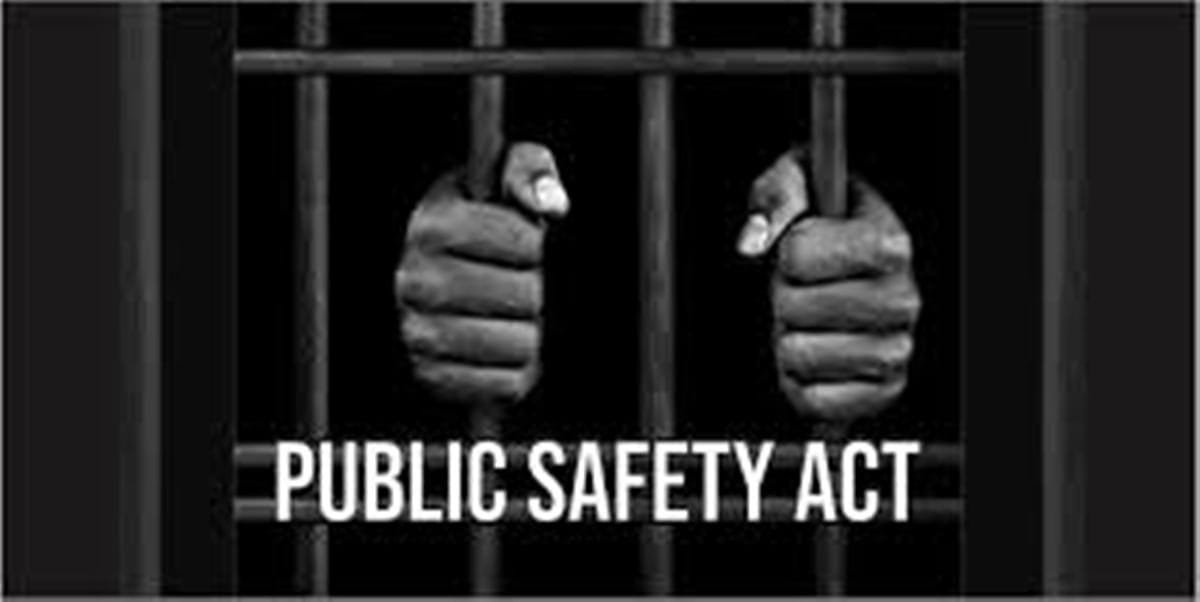
J&K Police’s PSA Crackdown in Srinagar: Constitutional Analysis of Public Safety Act’s Role in Mass Detentions Post-Pahalgam Attack

The Public Safety Act empowers senior executive officers to order preventive detention in the name of “public order” or “security of the State.” Under Section 8, a Divisional Commissioner or District Magistrate may detain any person for up to two years if they believe that individual’s activities could disturb peace or incite violence. Detention orders must outline the grounds for arrest within ten days, although Section 13 permits withholding of sensitive details deemed against public interest. Critics argue that such broad discretion enables arbitrary use of power, eroding trust in the legal system.

Once a detention is ordered, Section 16 mandates that an Advisory Board—comprised of members appointed by the State Government—review the case within four weeks. However, detainees are denied access to legal counsel during these proceedings, and the Board’s recommendations are non-binding. Section 22 further shields officials from legal liability for actions taken “in good faith” under the Act. Together, these provisions create a framework where procedural safeguards exist in theory but often falter in practice, leaving detainees with limited recourse to challenge prolonged preventive detention.