High courtSupreme Court

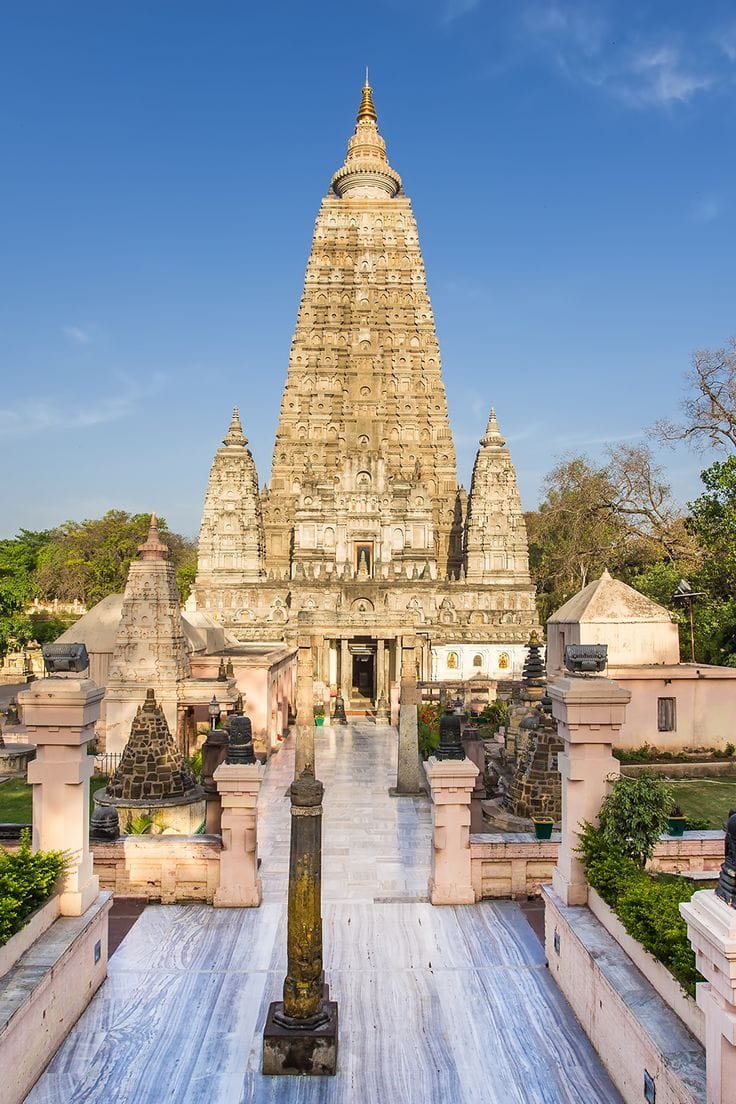
Supreme Court Rejects Plea for Exclusive Buddhist Control of Mahabodhi Temple, Refers Matter to Patna HC

In a 2025 judgement, the Supreme Court of India declined to entertain a petition under Article 32 seeking exclusive Buddhist control over the Mahabodhi Temple, Bodh Gaya. Filed by ex-minister Sulekhatai Kumbhare, the petition challenged the constitutional validity of the Bodh Gaya Temple Act, 1949. The Court cited procedural grounds, suggesting the matter be taken to the Patna High Court. The case underscores ongoing tensions around religious autonomy and minority rights in sacred site administration.

Current Legal Update

Can the Supreme Court Strike Down the Waqf Amendment Act? A Constitutional Analysis of Religious and Property Rights

To summarize, the issue of whether the Supreme Court can invalidate the Waqf Amendment Act is a complicated constitutional issue relating to how to balance the interests of the state against safeguarding religious and property rights. The Act was intended to modernize the management of waqf properties by instituting more transparency and accountability but has created issues around state overstepping and intrusion into religious affairs. The Supreme Court, with its judicial review power, is responsible for ensuring that the legislature’s enactment of any law is consistent with the Constitution. This implies that if the Waqf Amendment Act violates constitutional protections of religious freedom and equal property rights, the Court has the jurisdiction to strike down those provisions.