Supreme Court

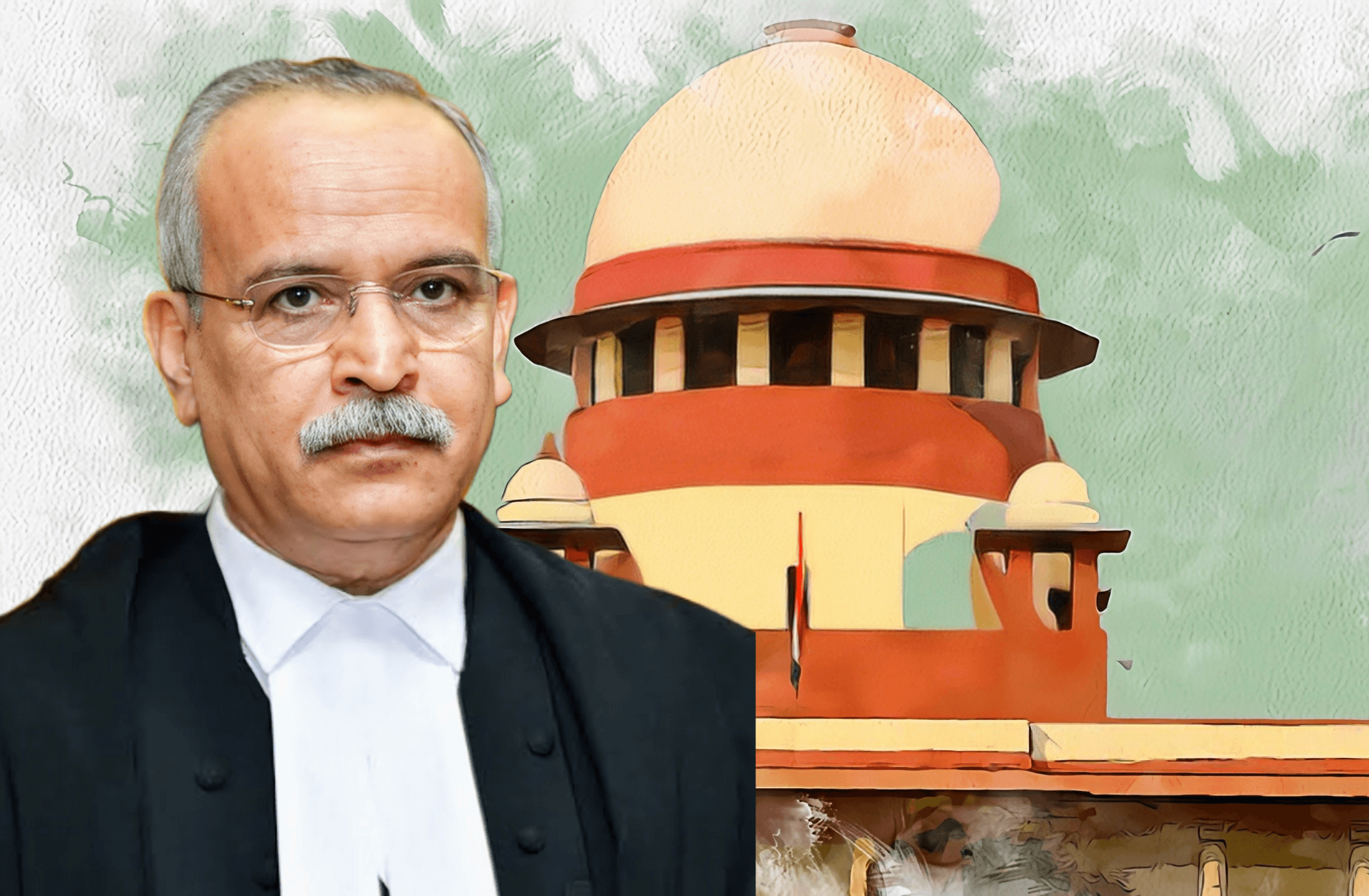
Dual Duty of Advocates: SC’s Verdict in Eswaranathan vs. State by Justice Satish.C Sharma

After the first SLP contesting the same High Court order was rejected, the Supreme Court of India conducted an investigation into the wrongdoing of counsel who had filed a second SLP challenging the same verdict. Although there was a difference of opinion over the harshness of penalty, the court placed an emphasis on the responsibilities of advocates, the significance of ethical behavior, and the consequences of incorrectly employing legal procedures.

Current Legal Update

Supreme Court’s Three-Year Litigation Mandate for Judiciary Exams Sparks Outrage Amongst Aspirants and Coaching Institutes

Anger has been stoked among law graduates and coaching institutes as a result of the new rule imposed by the Supreme Court, which stipulates that prospective judges must spend three years working in litigation before taking the tests for the court. Many people are confronted with lengthy preparation periods, high coaching fees, and restricted job possibilities in the legal field that go beyond low-paying litigation employment.

Current Legal Update

Ensuring Merit and Experience: The Supreme Court’s Landmark Ruling on Judicial Service Recruitment

The Supreme Court restored essential safeguards in judicial recruitment May 20, 2025, reinstating quotas and minimum experience requirements for entry and promotion. By balancing merit and practical legal training, the judgment ensures consistent standards across states and prepares candidates with necessary courtroom exposure, strengthening India’s subordinate judiciary for future challenges.

The Supreme Court restored essential safeguards in judicial recruitment May 20, 2025, reinstating quotas and minimum experience requirements for entry and promotion. By balancing merit and practical legal training, the judgment ensures consistent standards across states and prepares candidates with necessary courtroom exposure, strengthening India’s subordinate judiciary for future challenges.

Current Legal Update

Opening India’s Legal Market: Implications of BCI’s New Regulations for Foreign Lawyers and Firms

Under the new Bar Council of India regulations, foreign lawyers and law firms may advise on foreign law, international law, and participate in international commercial arbitration within India. They are expressly barred from appearing in Indian courts or handling domestic litigation. Eligibility depends on a reciprocity principle, meaning the home jurisdiction of the foreign lawyer or firm must offer similar rights to Indian advocates. Applicants must register with the BCI, submit a no-objection certificate from their home regulator, and provide details of clients and the scope of their work.

Foreign lawyers without a local office are restricted to a cumulative stay of sixty days per calendar year, ensuring that prolonged engagements still involve domestic counsel. Registered practitioners must renew their certificates annually and comply with professional conduct rules as overseen by the BCI. These measures aim to balance the benefits of international expertise with safeguards for India’s legal community.

Current Legal Update

BCI Chairman Manan Mishra’s Plea to CJI Gavai: Barriers Faced by First-Generation Advocates in Litigation

First-generation advocates often find themselves at a disadvantage when it comes to securing courtroom assignments. In many high courts and the Supreme Court, case rosters are influenced by informal relationships and long-established networks. Senior advocates and prominent law firms receive priority, while new entrants struggle to gain visibility. Without invitations to argue important matters, these lawyers miss critical opportunities to build reputations, hone advocacy skills, and attract clients.

The absence of transparent criteria for assigning cases exacerbates this imbalance. Clerks and court officers frequently rely on personal discretion rather than a merit-based process, and clients default to familiar names even when fresh talent is available. This perpetuates a cycle where first-generation advocates remain on the periphery, unable to demonstrate their capabilities on high-stakes platforms. As a result, the profession loses out on diverse perspectives, and justice delivery risks becoming insular and less responsive to the needs of a varied populace.

Current Legal Update

Challenges Faced by First-Generation Advocates in India: Low Pay, Long Hours, and Clerical Work Struggles

The path of a first-generation activist in India is fraught with obstacles, ranging from economic difficulties and long work hours to a lack of mentorship and access to meaningful legal work. Each of these challenges necessitates a multifaceted solution, involving the introduction of equitable compensation policies, the creation of formalized mentorship programs, and an attitudinal shift towards acknowledging and enabling the efforts of junior attorneys. By creating an atmosphere that recognizes and encourages talent regardless of family background, the legal profession can move towards greater inclusiveness and equity.