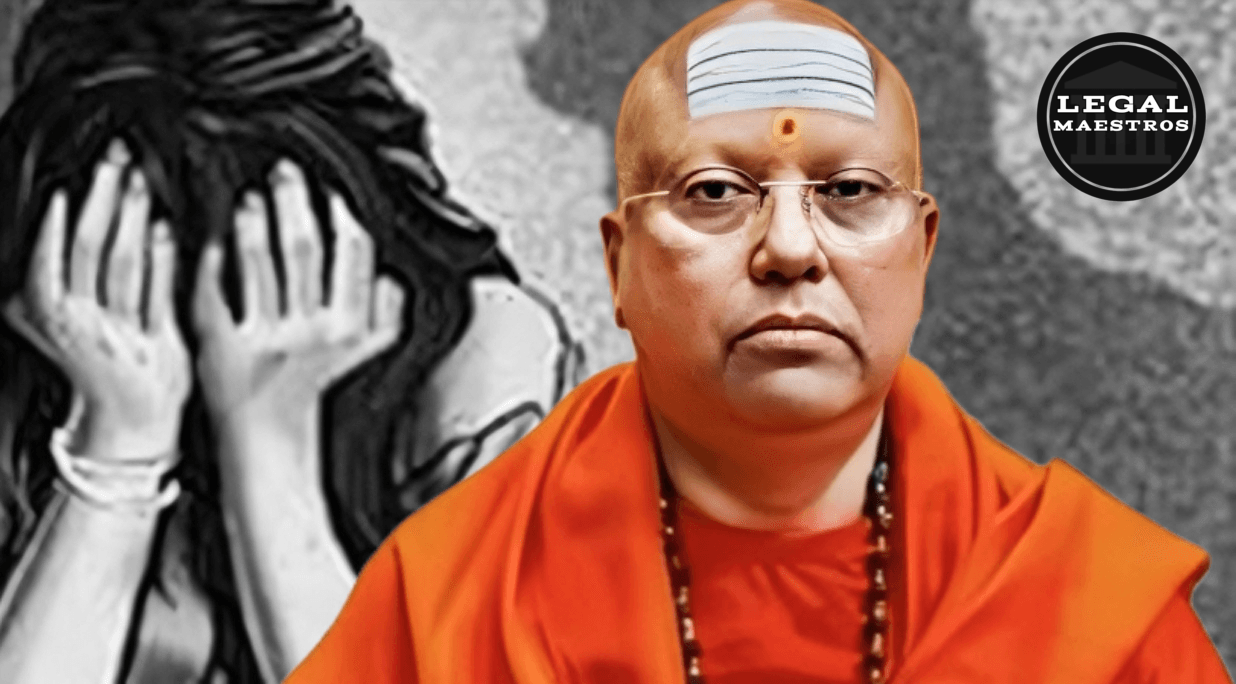
Delhi Police Book Self-Styled Godman Swami Chaitanyananda Saraswati for Molesting 17 Female Students
A Law Review of the Case Charged against Self-Styled Godman Swami Chaitanyananda Saraswati. The current saga of Swami Chaitanyananda Saraswati,…
Keeping Pace with Legal Change
A Law Review of the Case Charged against Self-Styled Godman Swami Chaitanyananda Saraswati. The current saga of Swami Chaitanyananda Saraswati,…
The Tarr Facts The Facts of the Case The murder which was a case of State of Karnataka vs Sri…
The case in question is of traumatizing nature as the Supreme Court of India recently declared a case that was…
In a landmark decision, the Supreme Court of India on 22July 2025, gave a ruling in a case, Sakshi Chauhan…
The article discusses the results of the case analyzed by the High Court on the issue of the constant and infamous designation of someone as a rowdy and the open disclosure of their criminal record. It throws some light on the reformation inclined focus of the court, the right to privacy of a citizen and the delicate position of police surveillance, which eventually decides to have the name of a petitioner off a rowdy list after a long history of well-behaved behavior.
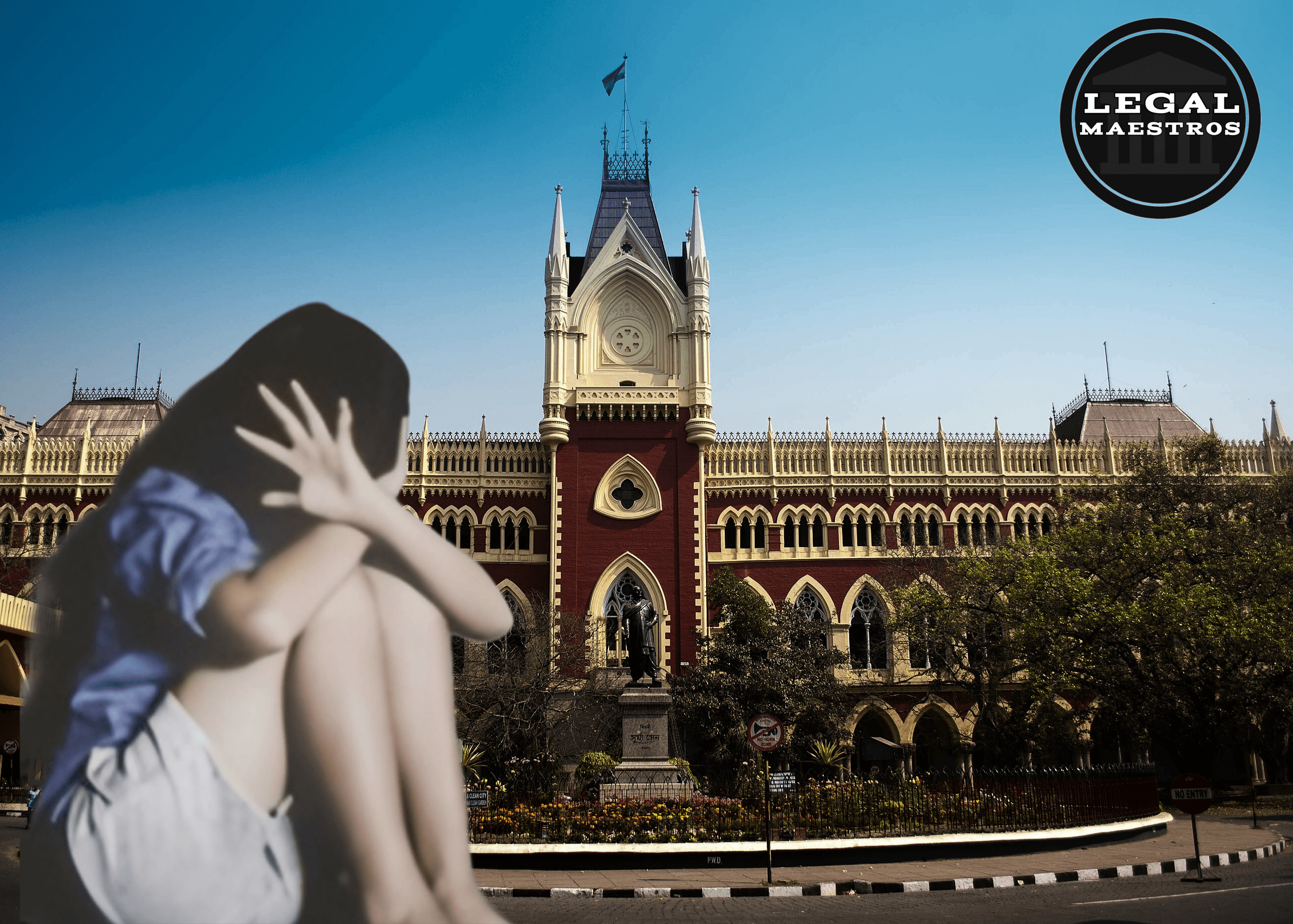
The article outlines the rape case of Kolkata law students, where three of them including a lawyer were sent into custody. It discusses the justice and legal ethics implications, and safety policy on campus, Xiu Xiu Socialism durable interests and implications for gender-based violence on campus and the necessity of accountability and victim support.
The recent attack by Israel on Iran reiterates a clear message : backwardness is punished in the real world.
Section66 of the Bharatiya Nyaya Sanhita, 2023, imposes life imprisonment or the death penalty for rape causing death or permanent coma. It underscores India’s resolve to deter heinous sexual crimes, ensuring justice and victim protection while strengthening the legal framework against gender-based violence.
This is the introduction. A fundamental procedural issue concerning the use of High Court powers under Section 482 of the…
Section 24 of the Bharatiya Nyaya Sanhita, 2023, addresses the issue of criminal liability in cases where an offense requires specific intent or knowledge, and the act is committed under intoxication. According to this provision, if an individual voluntarily becomes intoxicated and commits such an offense, they are held legally responsible as if they possessed the required intent or knowledge, regardless of their impaired state. However, if the intoxication was involuntary—meaning the substance was administered without their knowledge or against their will—this may serve as a defense, acknowledging that the individual lacked the capacity to form the necessary intent or knowledge due to the involuntary intoxication.