Current Legal Update

Kerala HC Cites Valmiki’s Transformation to Highlight Criminal Reformation

The article discusses the results of the case analyzed by the High Court on the issue of the constant and infamous designation of someone as a rowdy and the open disclosure of their criminal record. It throws some light on the reformation inclined focus of the court, the right to privacy of a citizen and the delicate position of police surveillance, which eventually decides to have the name of a petitioner off a rowdy list after a long history of well-behaved behavior.

High court

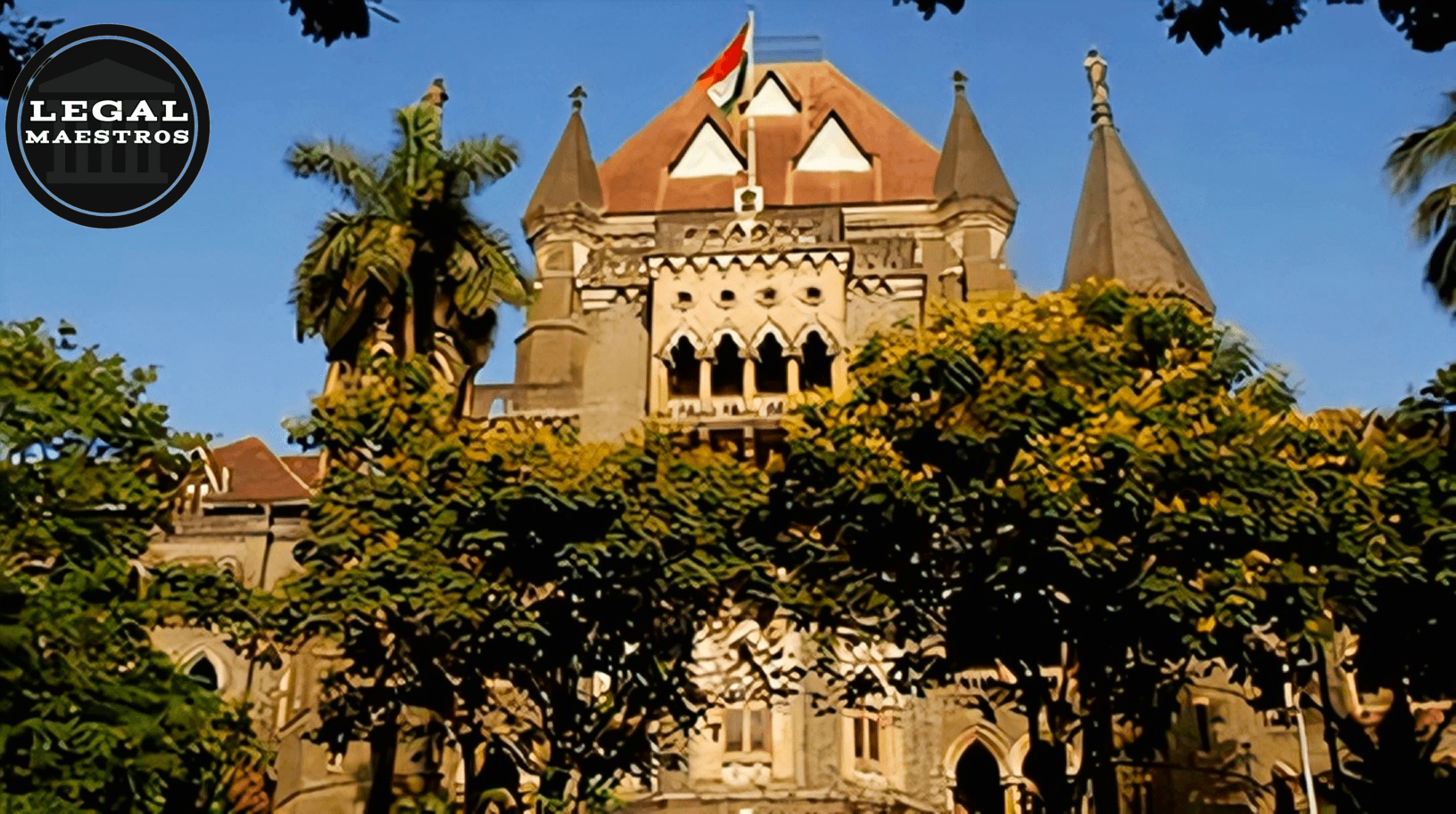
Bombay High Court Dismisses Petition Claiming Irregularities in 2024 Maharashtra Assembly Elections

This paper discusses a ruling of the Bombay High Court in Chetan Chandrakant Ahire against. Union of India, rejected a writ petition, which objected to the Maharashtra Assembly elections. The Court stressed upon the legislative prohibition against intervention by the Court on the subject of an election, the lack of locus standi of the petitioner and a dearth of any demand for justice, recreating the orderly nature of the legal system of election disputes.

High court

Telangana High Court Affirms Muslim Woman’s Absolute Right to Divorce via Khula Without Husband’s Consent

The paper under consideration considers the legal nuances regarding the possibility of Khula divorce as the right of a Muslim woman living in India with reference to a recent case in a High Court. It examines the character of Khula, the significance of religious and judicial institutions as well as the judicial practices of validating such divorces especially on the absolute right of the wife to seek u Khula and the limited importance of the consent of the husband or the fatwa of the Mufti. This discussion has shown that there has been a move towards judicial ratification of the breaking up of marriage.

Current Legal Update

Pankaj Bansal Verdict: Karnataka Contends ED’s Obligation to Supply Written Arrest Reasons Applies Only Prospectively in Supreme Court

The Supreme Court is hearing an important legal issue which is pressed out because of the arrest of Pankaj Bansal by the Enforcement Directorate (ED). Karnataka states that the ED is only liable to give reasons for its arrest in written form prospectively as held by the Supreme Court in Pankaj Bansal v. Military of India. This might influence many current probes that are going on under the Prevention of Money Laundering Act (PMLA).

Supreme Court

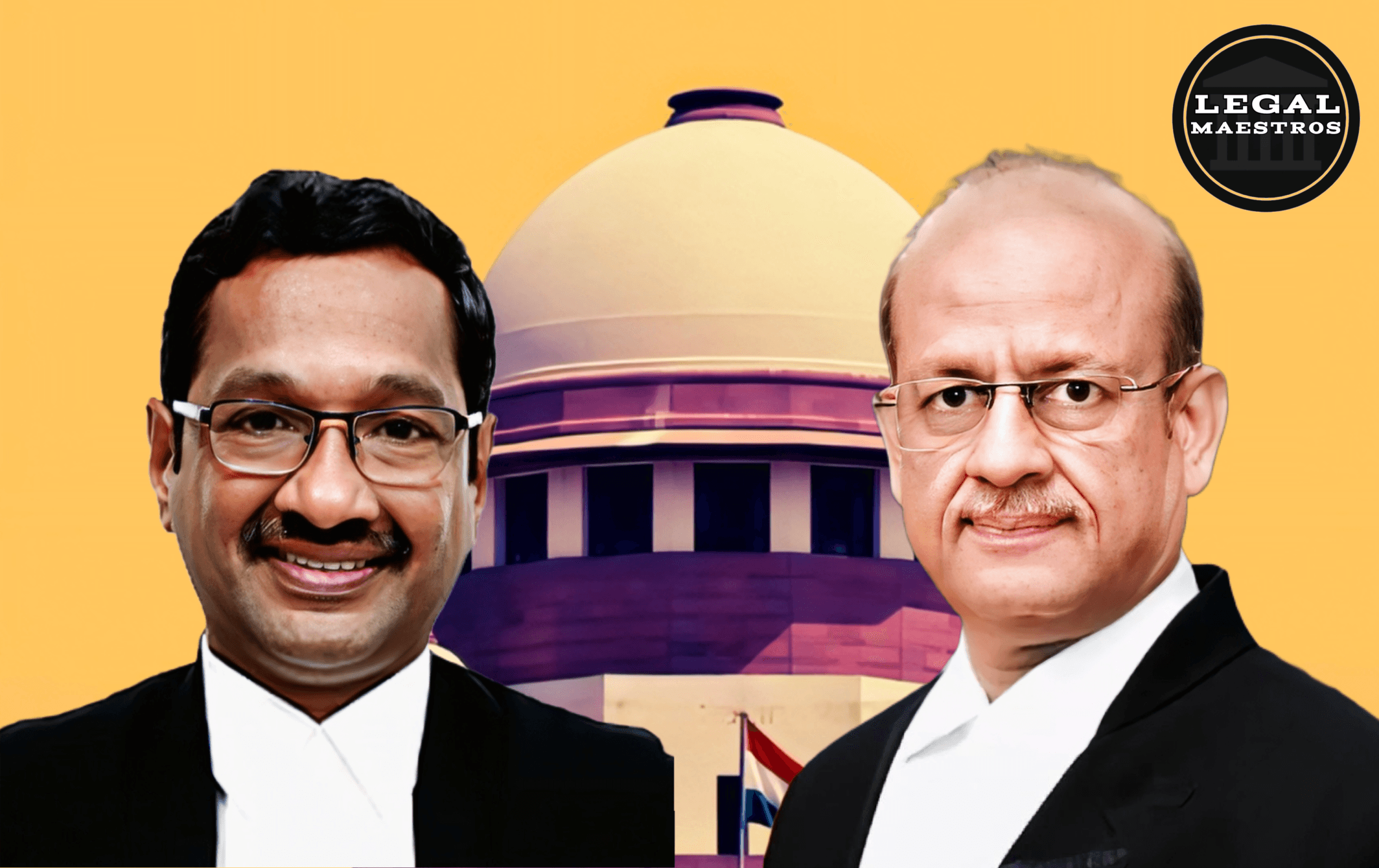
Unpacking Bank Fraud Cases: A Judgment by Justices M.M. Sundresh and Rajesh Bindal

In this article the author analyzes a landmark Supreme Court of India case on the issue of quashing criminal proceedings emanating out of bank fraud. The Court explains the difference between the administrative activities of banks implemented in accordance with RBI Master Directions and a criminal inquiry, and the fact that the quashing of the former will not nullify a criminal proceeding as such. It emphasizes the inapplicability of natural justice during the process of filing FIR and remits cases to be remanded back to be decided afresh.

Supreme Court

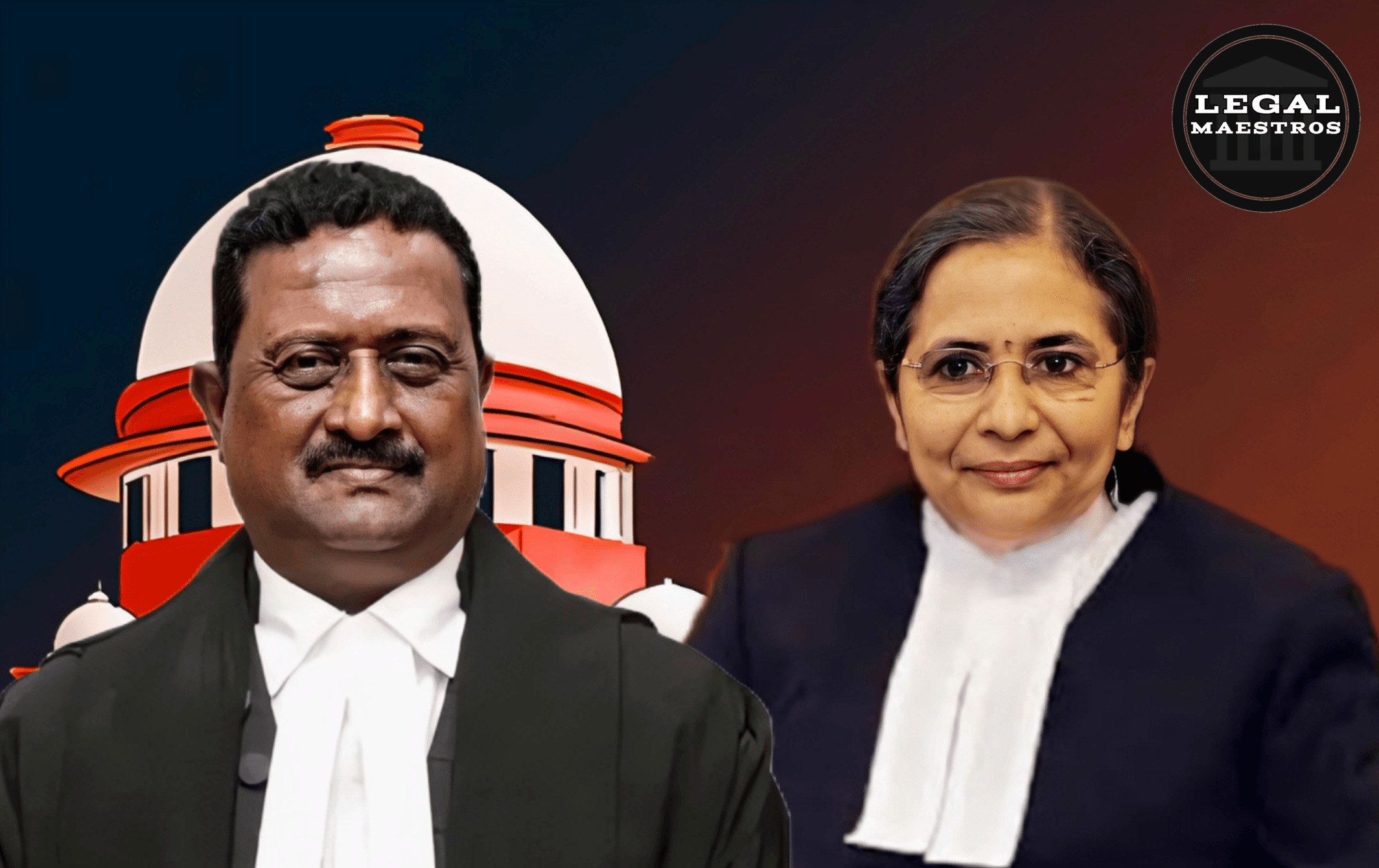
The Supreme Court’s Stance on Tender Cancellation: Insights from Justices Trivedi and Varale

This paper will analyse a ruling of the Supreme Court that was given against a ruling of the High Court in a case that concerned cancellation of a government tender. It notes how the Court has attached importance to issues of public interest, administrative discretion and little judicial review in contractual circumstances, particularly in the event of the unavailability of mala fides.

Supreme Court

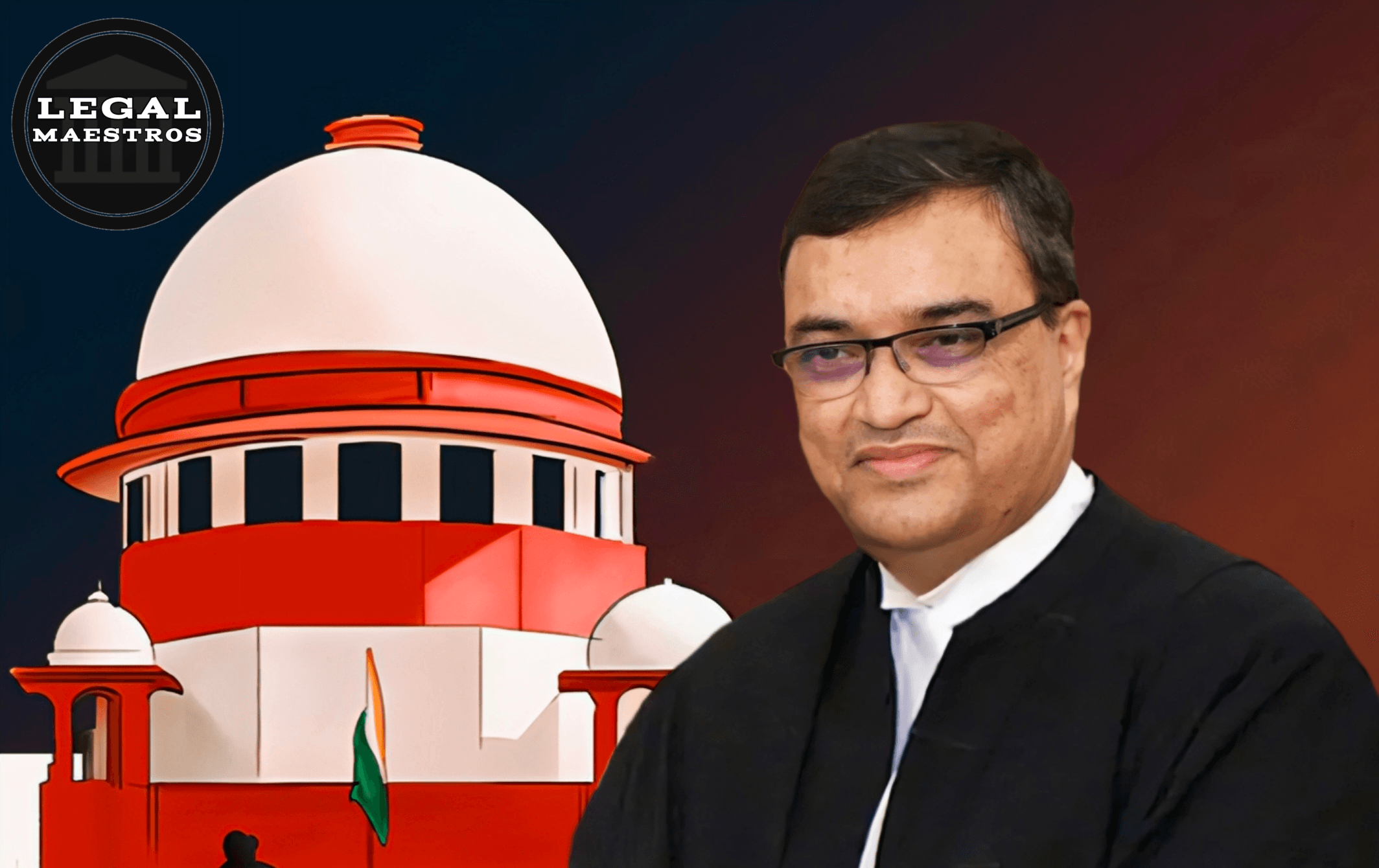
COVID Delay Not Candidate’s Fault: Soumen Paul vs. Shrabani Nayek by Justice Narasimha & Justice Misra

The decision that the Supreme Court made in the case of Soumen Paul and Others versus Shrabani Nayek and Others is the subject of this article. The article focuses on the qualifying requirements for the employment of primary teachers in the state of West Bengal. Critical legal uncertainties in the procedures governing teacher recruitment are resolved by the verdict.

Current Legal Update

Court Overturns Trump’s Harvard Foreign Student Enrollment Ban

In a decision that was handed down by a federal appeals court, the Trump administration’s regulation that prohibited international students from enrolling in fall classes at Harvard as long as they were studying solely online was overturned. Restoring the rights of thousands of international students and reiterating the importance of judicial supervision over executive immigration directives are both outcomes of the most recent verdict.

Current Legal Update

Intensifying Heatwaves in Rajasthan: Constitutional Analysis of India’s Environmental Laws and Climate Adaptation Gaps

The state of Rajasthan has emerged as a climate hotspot, with heatwaves intensifying both in frequency and severity over the past decade. Temperatures exceeding 45°C have become alarmingly common, placing immense pressure on public health systems, water resources, and vulnerable communities. Despite the gravity of the crisis, India’s environmental legal framework has struggled to evolve from a conservation-centric approach to one that adequately addresses climate adaptation and resilience.

At the constitutional level, Article 21—the right to life—has been interpreted by Indian courts to include the right to a clean and healthy environment. Yet, in practice, the application of this right in the context of climate-induced disasters remains limited and inconsistent. While Article 48A of the Directive Principles of State Policy calls for the protection and improvement of the environment, and Article 51A(g) places a duty on citizens to safeguard natural resources, there is a notable absence of enforceable mechanisms that translate these provisions into meaningful climate action, especially at the state level.

This gap is particularly evident in Rajasthan, where legal mandates and disaster management policies remain fragmented and reactive rather than preventive or adaptive. State action has often been guided by short-term relief measures rather than long-term climate resilience planning. Moreover, the lack of climate-specific legislation results in an over-reliance on generic environmental laws and judicial activism, which, while valuable, cannot substitute for a coherent statutory framework.

This excerpt lays the groundwork for a deeper analysis of how constitutional principles and environmental statutes can and must evolve to meet the unprecedented challenges posed by climate change in India’s most vulnerable regions.