Is the US Blockade of the Strait of Hormuz Legal Under International Law
Introduction The Strait of Hormuz is a highly strategic waterway in the world, which links the Persian Gulf and the…
Keeping Pace with Legal Change
Introduction The Strait of Hormuz is a highly strategic waterway in the world, which links the Persian Gulf and the…
International deliberations have been brought about recently when the Australian government announced that it intends to engage the recognition of…
On part of the United Nations there has been diplomacy through Security Council resolutions, humanitarian agencies and use of special envoys to quell the Iran-Israel confrontation. Its activities include appeals for ceasefire, the mediation, support of refugees, and the evaluation of cases, but its activities are limited by the veto power politics and the competition of members.
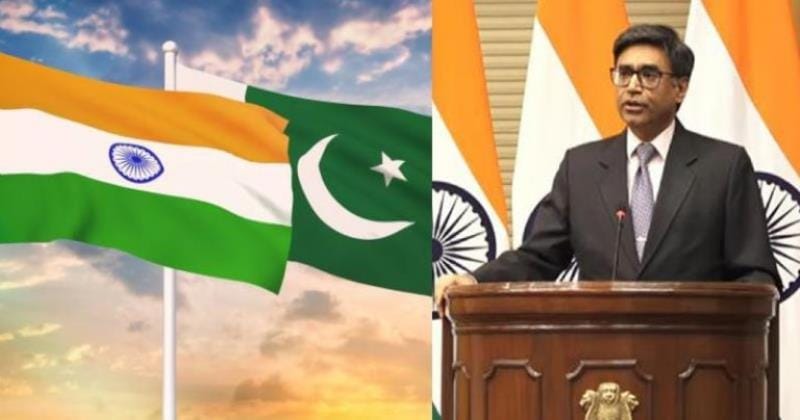
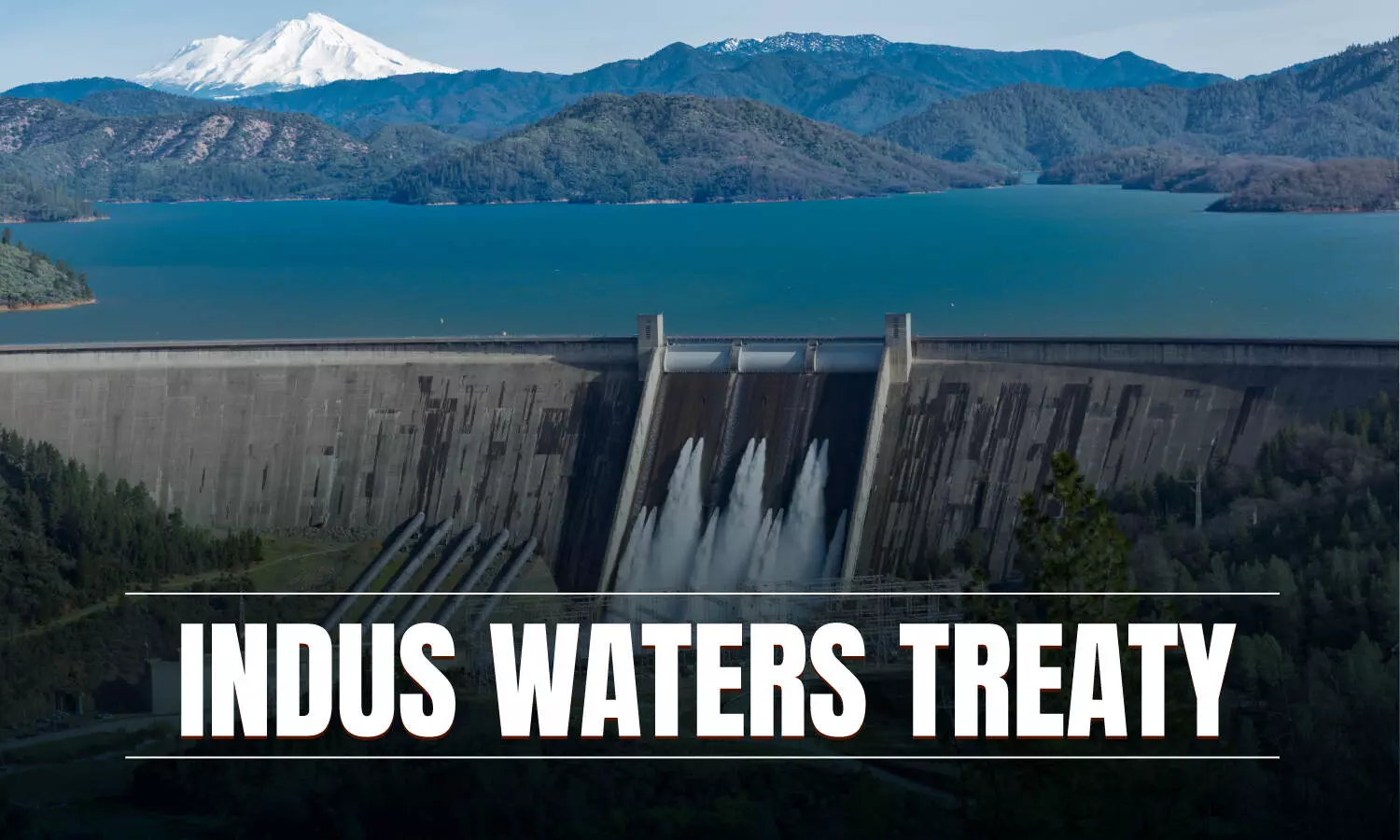
In response to the terrorist incident that took place in Pahalgam on April 22, India suspended the 1960 Indus Waters Treaty with Pakistan, claiming concerns for the country’s national security. The history of the pact, the actions that India has taken, Pakistan’s response, and the question of whether or not this suspension represents a temporary strategy or a permanent split in water cooperation are all topics that are discussed in this article.
hronic ceasefire breaches along the India-Pakistan Line of Control violate international law frameworks, including the Geneva Conventions and the UN Charter. Such violations can constitute grave breaches and war crimes, triggering individual criminal liability and responsibility. Effective monitoring and enforcement mechanisms are essential to uphold humanitarian principles and restore peace.
India’s decision to suspend the Indus Waters Treaty raises complex questions under international law. By invoking a security rationale, New Delhi effectively halted agreed water flows and data sharing with Pakistan. Under the Vienna Convention’s Article 62, unilateral suspension for a “fundamental change of circumstances” is narrowly permitted, yet terrorism concerns lie outside a water‐sharing pact’s core. международное право also allows proportionate countermeasures for wrongful acts, but they must be reversible and target restoration of compliance. India’s move risks breaching binding treaty obligations, exposing it to legal claims for reparations and undermining a model of transboundary water cooperation. The dispute will test the interplay between security imperatives, state responsibility, and treaty stability in South Asia.
India’s decision to suspend the Indus Waters Treaty raises complex questions under international law. By invoking a security rationale, New Delhi effectively halted agreed water flows and data sharing with Pakistan. Under the Vienna Convention’s Article 62, unilateral suspension for a “fundamental change of circumstances” is narrowly permitted, yet terrorism concerns lie outside a water‐sharing pact’s core. международное право also allows proportionate countermeasures for wrongful acts, but they must be reversible and target restoration of compliance. India’s move risks breaching binding treaty obligations, exposing it to legal claims for reparations and undermining a model of transboundary water cooperation. The dispute will test the interplay between security imperatives, state responsibility, and treaty stability in South Asia.
India’s decision to suspend the Indus Waters Treaty raises complex questions under international law. By invoking a security rationale, New Delhi effectively halted agreed water flows and data sharing with Pakistan. Under the Vienna Convention’s Article 62, unilateral suspension for a “fundamental change of circumstances” is narrowly permitted, yet terrorism concerns lie outside a water‐sharing pact’s core. международное право also allows proportionate countermeasures for wrongful acts, but they must be reversible and target restoration of compliance. India’s move risks breaching binding treaty obligations, exposing it to legal claims for reparations and undermining a model of transboundary water cooperation. The dispute will test the interplay between security imperatives, state responsibility, and treaty stability in South Asia.