Tag: Indian Constitution

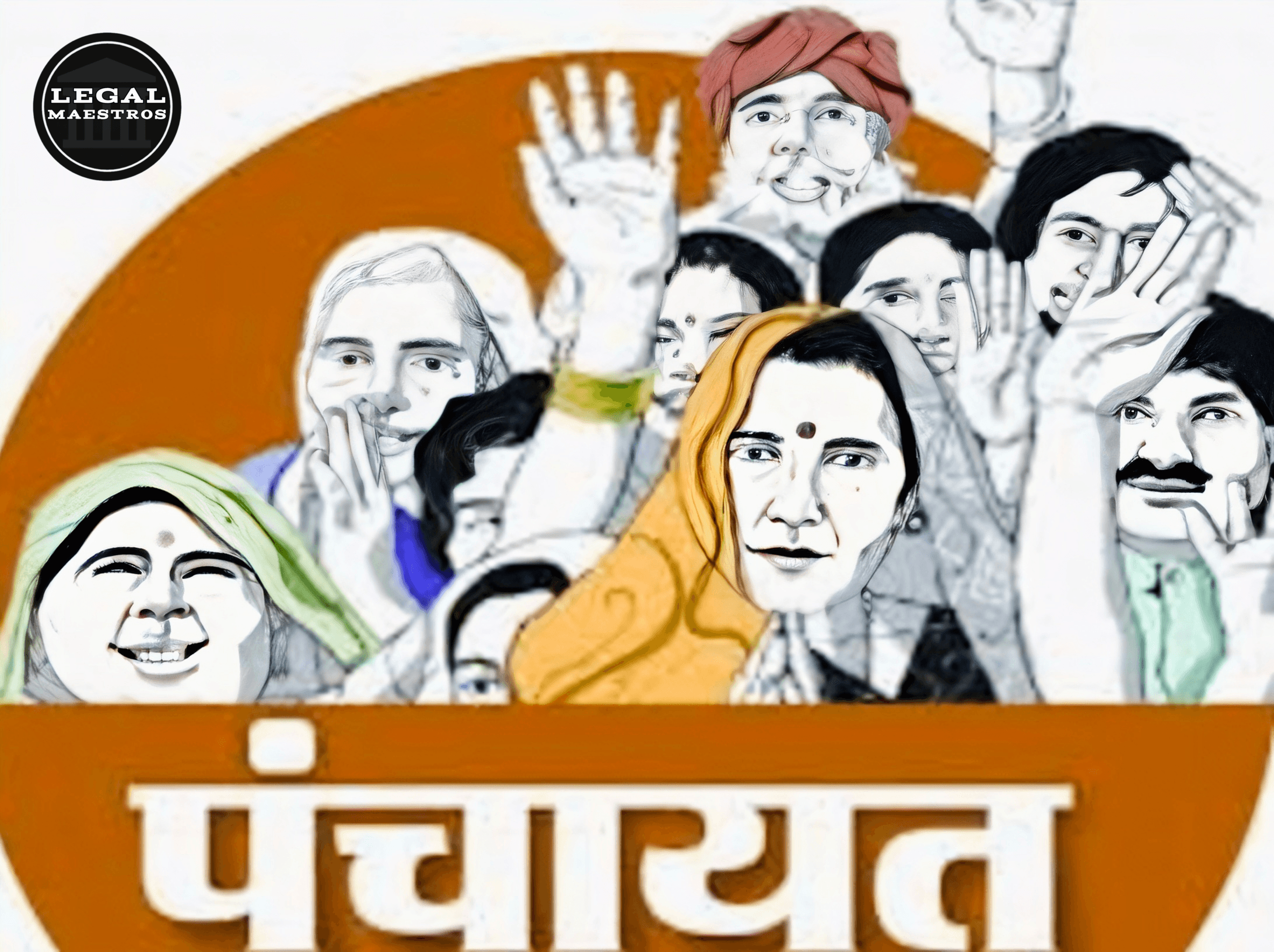
Exploring Panchayati Raj Elections in Constitution Through Panchayat Series
This paper discusses constitutional provisions and elections of the Panchayati Raj especially 73rd Amendment based on panchayat series. It cuts across the functions and responsibilities of the Pradhan/Sarpanch revealing the intricacies and truths of grassroots governance.

Bengaluru Bar Raids: Do Crackdowns on ‘Inappropriately Dressed’ Women Violate Article 19(1)(g) Freedom of Profession?
Bengaluru’s bar raids, targeting “inappropriately dressed” women, spark debate on moral policing versus public order. Critics argue these actions infringe upon Article 19(1)(g) freedom of profession, affecting women’s livelihoods and legitimate businesses, and are based on subjective interpretations of decency.
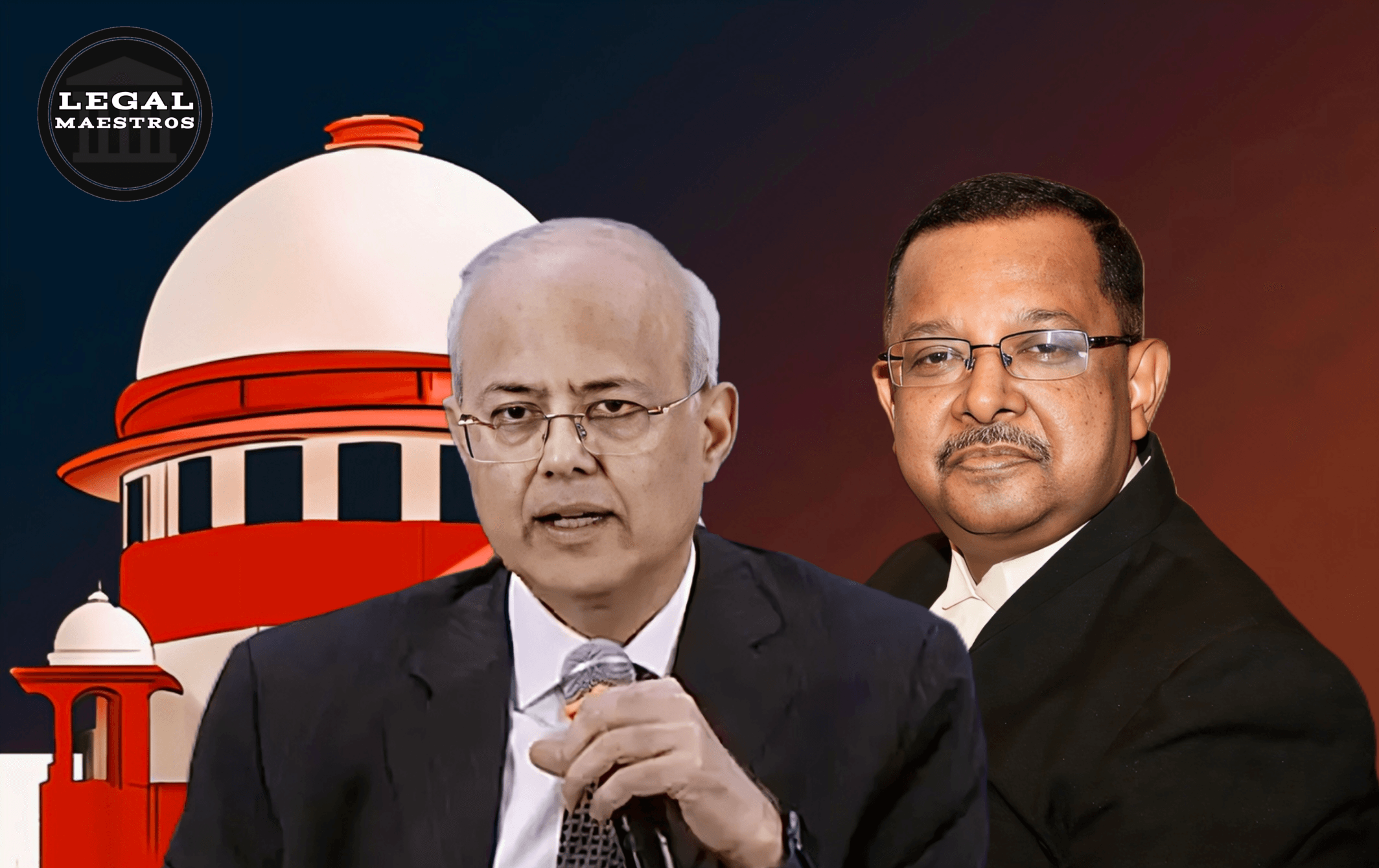
Danish Zaheer Siddiqui v. State of Maharashtra: Procedural Liberty and Strategic WithdrawalJustice Ujjal Bhuyan and Justice Manmohan
Through this short yet procedurally influential order, the Supreme Court allowed liberty to the petitioner, Danish Zaheer Siddiqui, to withdraw his Special Leave Petition and avail of a fresh audience in Bombay High Court. The case exposes major procedural issues in the appellate litigation.

Madras HC: LGBTQ+ Couples Can Make Families Even Without Same-Sex Marriage Law
Despite the fact that there is no legislation governing marriages between people of the same gender, the Madras High Court has ruled that LGBTQ+ couples have the right to have kids. During a separate proceeding, the Calcutta High Court granted Sharmishta Panoli temporary release, raising concerns about the procedural errors that led to her detention for making contentious comments on social media.
Madras High Court: LGBTQ+ Couples Can Form Families Even Without Legal Marriage
Following a peaceful resolution between the two parties, the First Information Report (FIR) that had been filed against a man who was accused of gazing at a lady on a flight was dismissed by the Delhi High Court. The court came to the conclusion that pursuing the lawsuit would be pointless and emphasized the significance of resolving disagreements of this kind by mutual agreement wherever possible.

NEET-PG 2025 Controversy & Article 14: Supreme Court Tackles Two-Shift Exam Fairness Under Indian Constitution
The Supreme Court mandated a single-shift NEET-PG 2025 exam, addressing fairness concerns over the two-shift format. The decision ensures equitable competition, upholding Article 14’s right to equality, as varying question paper difficulties and normalization issues risked arbitrariness, impacting candidates’ rankings and rights.

Intensifying Heatwaves in Rajasthan: Constitutional Analysis of India’s Environmental Laws and Climate Adaptation Gaps
The state of Rajasthan has emerged as a climate hotspot, with heatwaves intensifying both in frequency and severity over the past decade. Temperatures exceeding 45°C have become alarmingly common, placing immense pressure on public health systems, water resources, and vulnerable communities. Despite the gravity of the crisis, India’s environmental legal framework has struggled to evolve from a conservation-centric approach to one that adequately addresses climate adaptation and resilience.
At the constitutional level, Article 21—the right to life—has been interpreted by Indian courts to include the right to a clean and healthy environment. Yet, in practice, the application of this right in the context of climate-induced disasters remains limited and inconsistent. While Article 48A of the Directive Principles of State Policy calls for the protection and improvement of the environment, and Article 51A(g) places a duty on citizens to safeguard natural resources, there is a notable absence of enforceable mechanisms that translate these provisions into meaningful climate action, especially at the state level.
This gap is particularly evident in Rajasthan, where legal mandates and disaster management policies remain fragmented and reactive rather than preventive or adaptive. State action has often been guided by short-term relief measures rather than long-term climate resilience planning. Moreover, the lack of climate-specific legislation results in an over-reliance on generic environmental laws and judicial activism, which, while valuable, cannot substitute for a coherent statutory framework.
This excerpt lays the groundwork for a deeper analysis of how constitutional principles and environmental statutes can and must evolve to meet the unprecedented challenges posed by climate change in India’s most vulnerable regions.

Caste Census and the Constitution: Analyzing the Legal and Political Dimensions of Bihar & Karnataka
Through the implementation of constitutional legislation, social justice, and political strategy, the concept of a caste census in India is brought together. In spite of the fact that the Constitution has provisions such as Article 340 for the purpose of researching backward classes, the Supreme Court has limited reservations to fifty percent and emphasized the importance of scientific evidence for any increase.
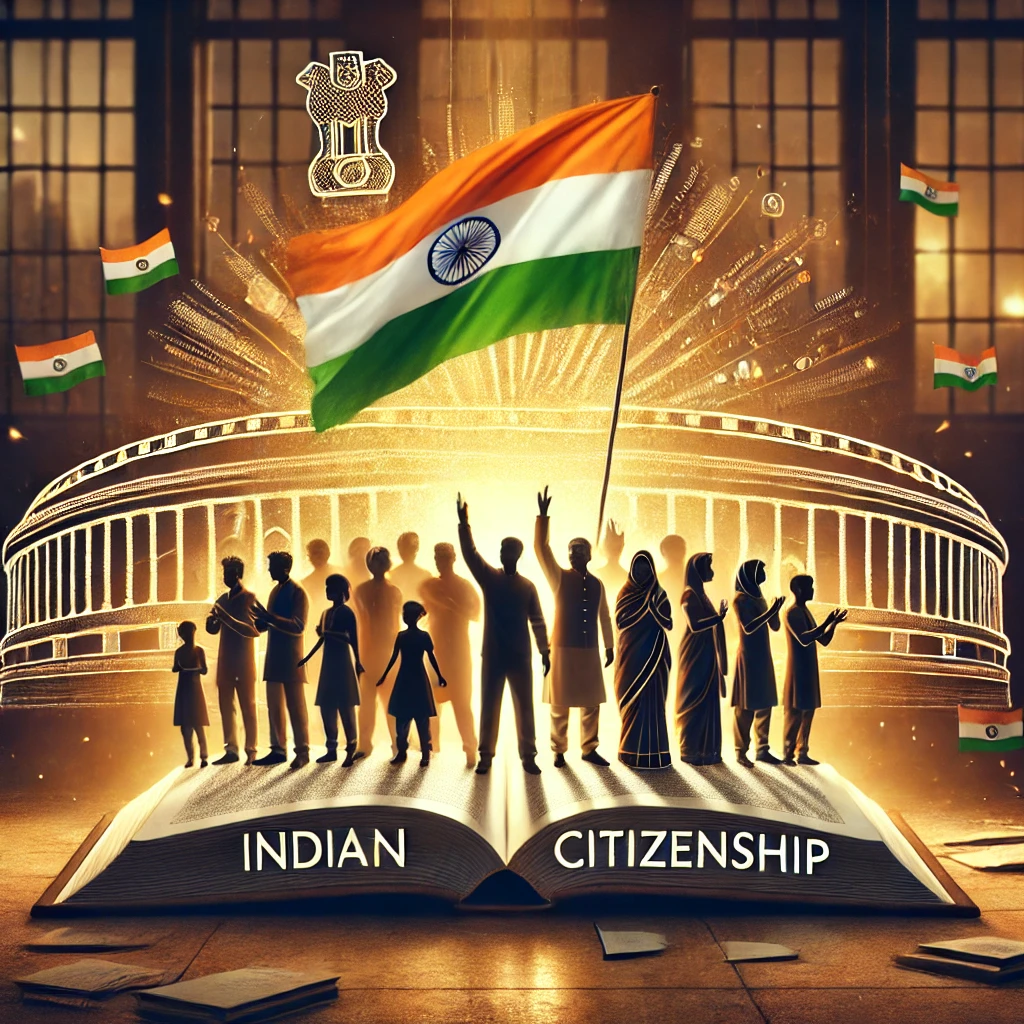
The Interplay Between Citizenship Laws and Social Justice in the Indian Legal System
It critically examines the rather complex relationship of citizenship laws with the principle of social justice incorporated in the Constitution of India and discusses how any amendment to such citizenship laws- the Citizenship Act, 2019-for instance, undermine the constitutional ethos of equality and secularism. The paper undertakes an inquiry into judicial responses to citizenship questions and their consequence on social justice, which again raises both juridical as well as non-juridical implications. It analyzes landmark cases in determining the balance between legal rights and social equity, even as it questions the future of citizenship in a diverse democratic India.