Make Him Sit With a Senior Judge: Can Supreme Court Judge Rebuke High Court Judge Over Flawed Criminal Case Ruling
There is a clearly defined structure in the judicial system of India with Supreme Court as the highest Court of…
Keeping Pace with Legal Change
There is a clearly defined structure in the judicial system of India with Supreme Court as the highest Court of…
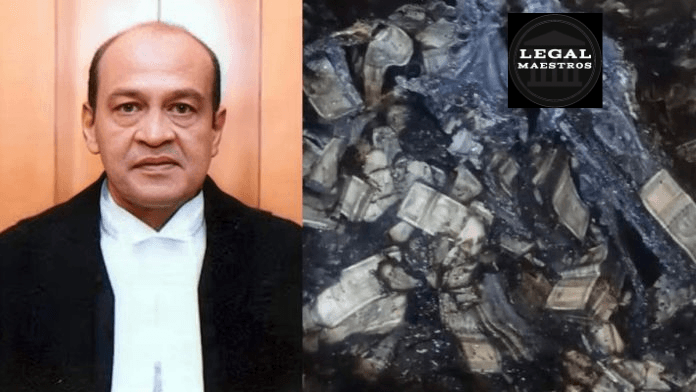
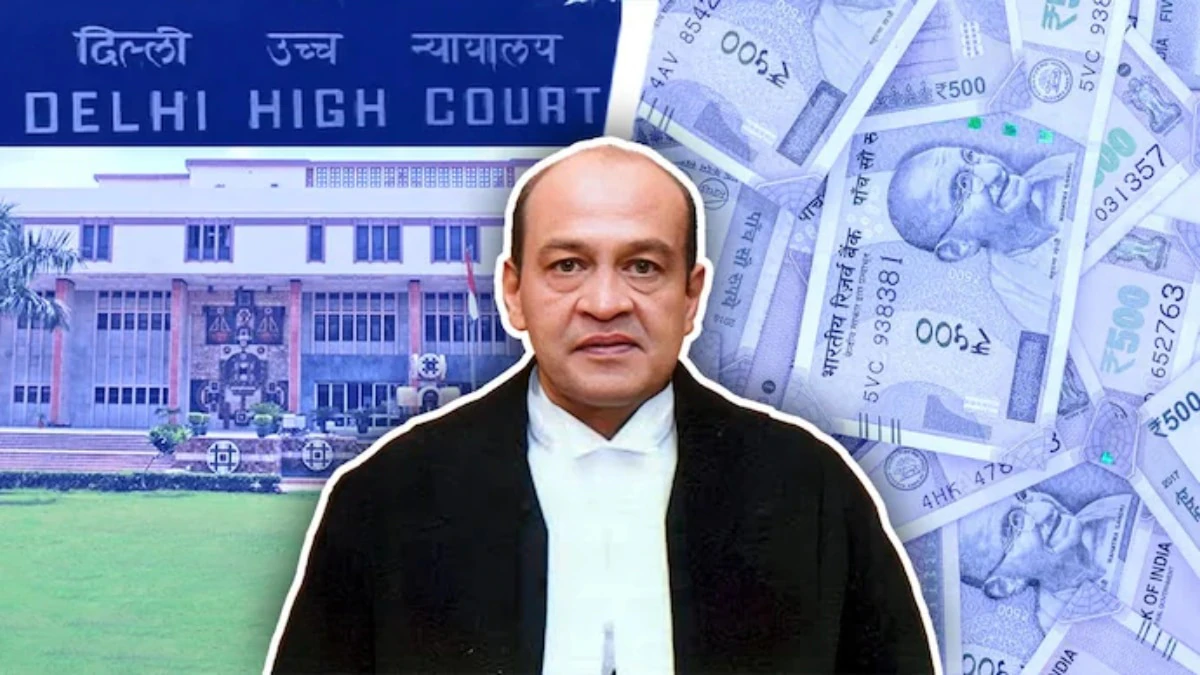
Justice Yashwant Varma faces India’s first judicial impeachment after a probe uncovered burnt currency at his residence, leading Parliament to consider removal proceedings. This unprecedented move tests constitutional safeguards, balancing accountability against independence and setting a milestone in judicial ethics.
Justice Yashwant Varma faces an impeachment motion after an in-house Supreme Court inquiry found unexplained cash at his residence. With the Chief Justice recommending removal and the Modi government pushing the process, this rare move tests judicial independence and accountability.
As a result of the payment incident involving Justice Yashwant Varma, India’s constitutional processes for judicial removal are currently being investigated. The rigorous procedures that are outlined in Articles 124 and 217, which are reinforced by the Judges (Inquiry) Act of 1968, demonstrate a considerate equilibrium between the independence of the judiciary and accountability. Despite the fact that impeachment provides a formal way to remove a judge from their position for misconduct that has been demonstrated, the process is complicated, time-consuming, and politically delicate. An approach that is both respectful and capable of resolving the issue in a timely manner while maintaining public confidence is providing a voluntary resignation. In the end, it may be necessary to combine both approaches in order to guarantee the integrity of the judicial system. This would involve combining robust constitutional safeguards with the moral persuasion of voluntary resignation in the event that substantial allegations are brought up.
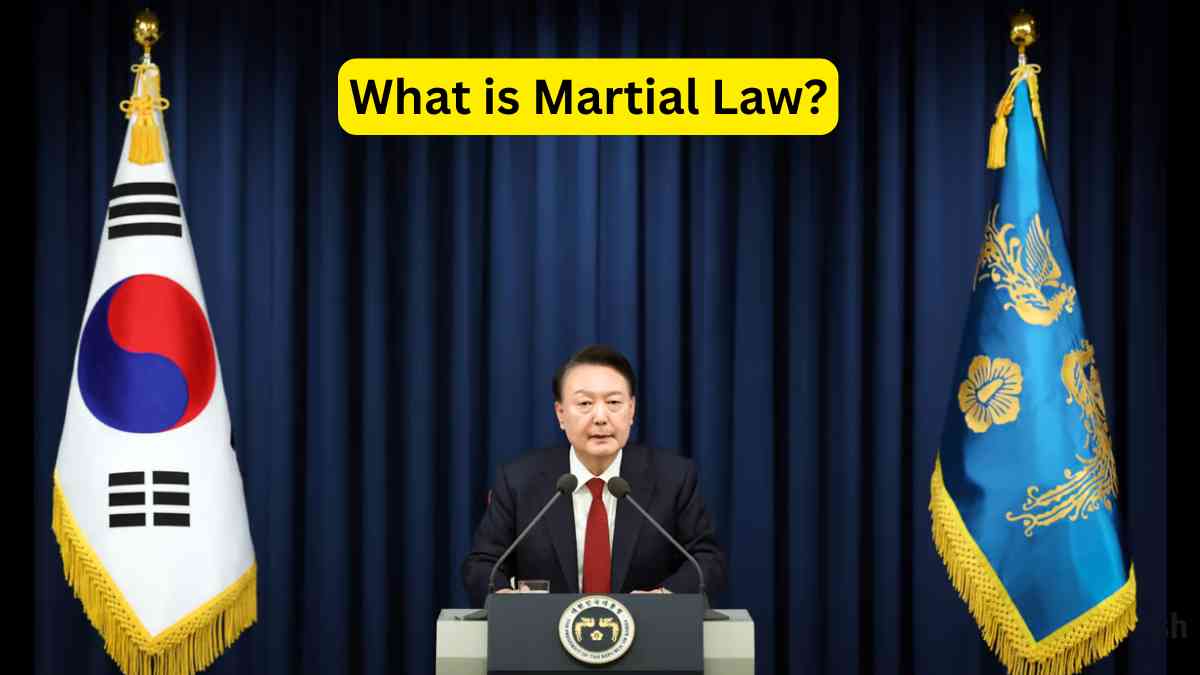
Overall, the legal legacy of martial law in South Korea provides a cautionary example of the dangers of concentrated power and the erosion of civil liberties in times of crisis. Although martial law in South Korea was invoked as an emergency measure, its long-term consequences for the legal and political systems remind us of the dangers of circumventing democratic institutions. India, having a robust constitutional structure and entrenched democratic institutions, is not likely to follow similar steps. India’s legal system, with a focus on judicial checks and protection of individual rights, offers a strong check on any possible misuse of power during emergencies. Though India has its own challenges to face, which sometimes necessitate unorthodox approaches, the experience of the two countries’ history and that of its own prevents the nation from losing sight of the need to preserve the sensitive balance between freedom and security. The experiences of both countries highlight the need to uphold democratic values, even at times of crisis, and provide lessons for guaranteeing that freedom suppressions at times of crisis are not permitted to turn out to be lasting features of government.
The impeachment process for Indian judges is a technical and intricate process aimed at safeguarding judicial independence while providing accountability. Its specificity is a testament to the historical controversies and constitutional ideals that have established India’s legal system. The procedure is multistage, rigorously evidence-based, and involves participation by both houses of Parliament, all designed to forestall the abuse of impeachment as a political instrument. While there are criticisms and obstacles in removing a judge by this process, these same protections are what have served to preserve the integrity of the judiciary for decades.