Current Legal Update

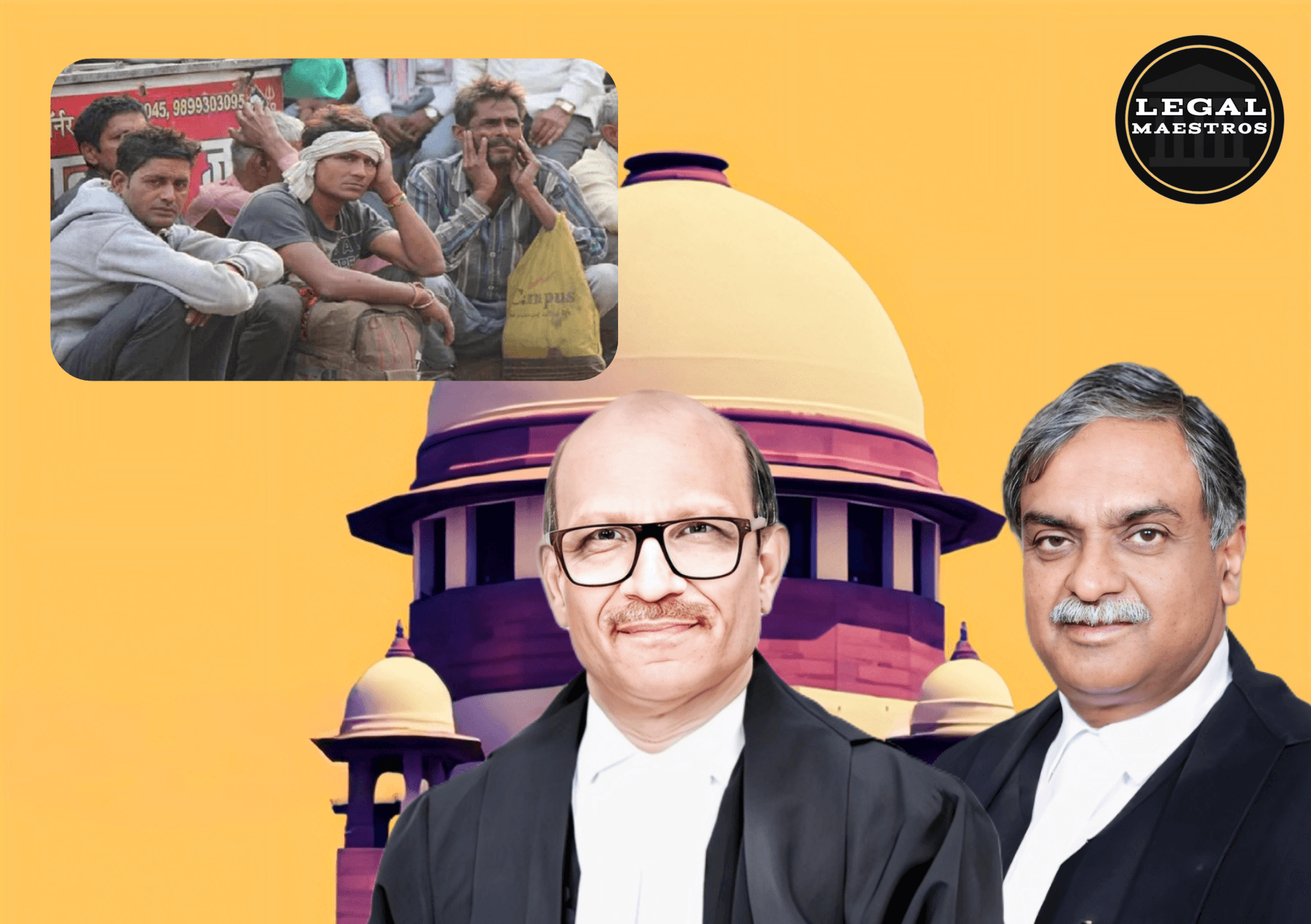
NEET-PG 2025 Controversy & Article 14: Supreme Court Tackles Two-Shift Exam Fairness Under Indian Constitution

The Supreme Court mandated a single-shift NEET-PG 2025 exam, addressing fairness concerns over the two-shift format. The decision ensures equitable competition, upholding Article 14’s right to equality, as varying question paper difficulties and normalization issues risked arbitrariness, impacting candidates’ rankings and rights.

Current Legal Update

Supreme Court Upholds Administrative Consistency in Service Dispute: R.P. Azad vs. Union of India

In R.P. Azad vs. Union of India, the Supreme Court upheld administrative consistency in a service dispute, emphasizing fair application of service rules. The case involved R.P. Azad challenging arbitrary administrative actions affecting his service conditions. The Court ruled that administrative decisions must adhere to principles of natural justice and consistency, ensuring equitable treatment. It highlighted the importance of transparent procedures in service matters, reinforcing protections against arbitrary executive actions. This decision strengthens the framework for resolving service disputes, prioritizing fairness and legal compliance.

CRIMINAL LAW

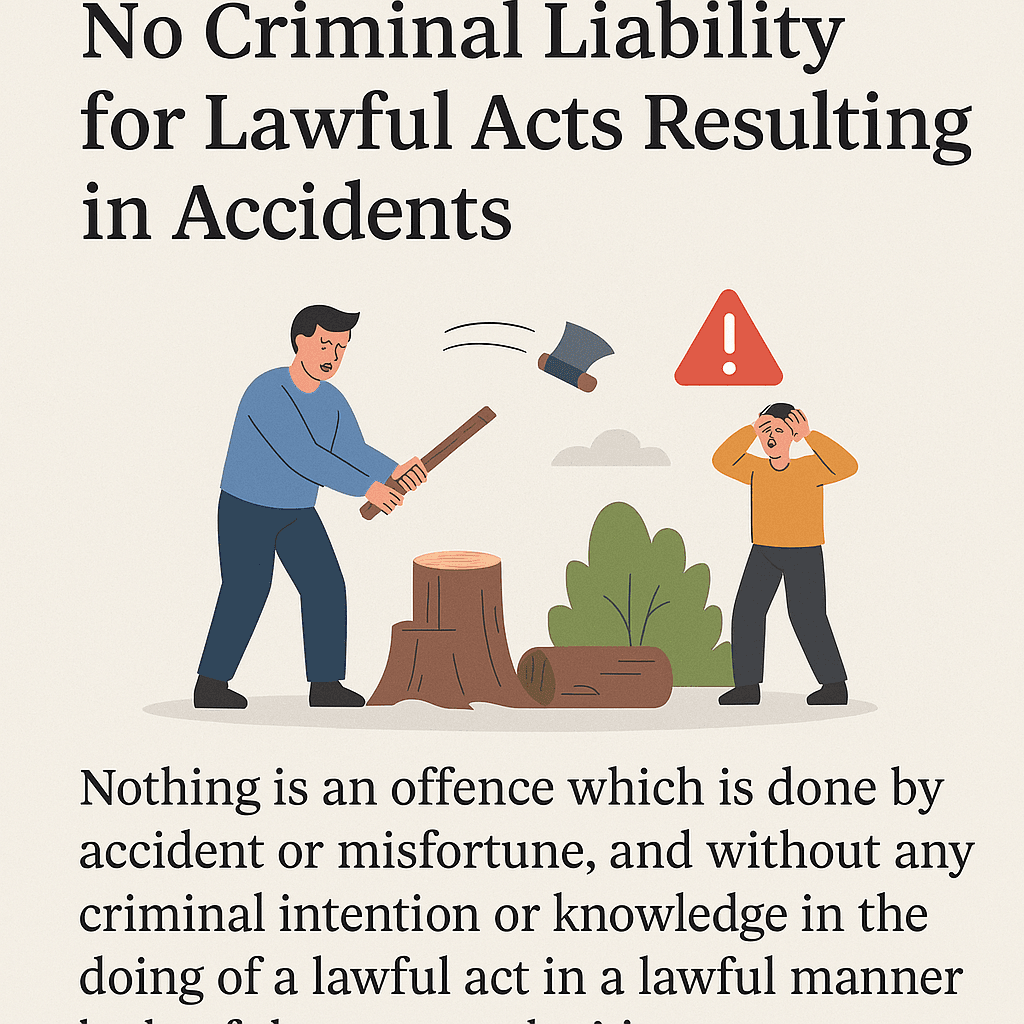
Section 18 of Bhartiya Nyaya Sanhita 2023 No Criminal Liability for Lawful Acts Resulting in Accidents

Section 18 of Bhartiya Nyaya Sanhita 2023 is a significant provision which recognizes the fact that sometimes accidents can take place even if the person behaves legally and responsibly. By extending legal protection under such circumstances, the law sees to it that innocent people are not unjustly penalized for the unintended acts. But it does so at the same time while ensuring that persons who act negligently or wantonly are also brought to justice.

CRIMINAL LAW

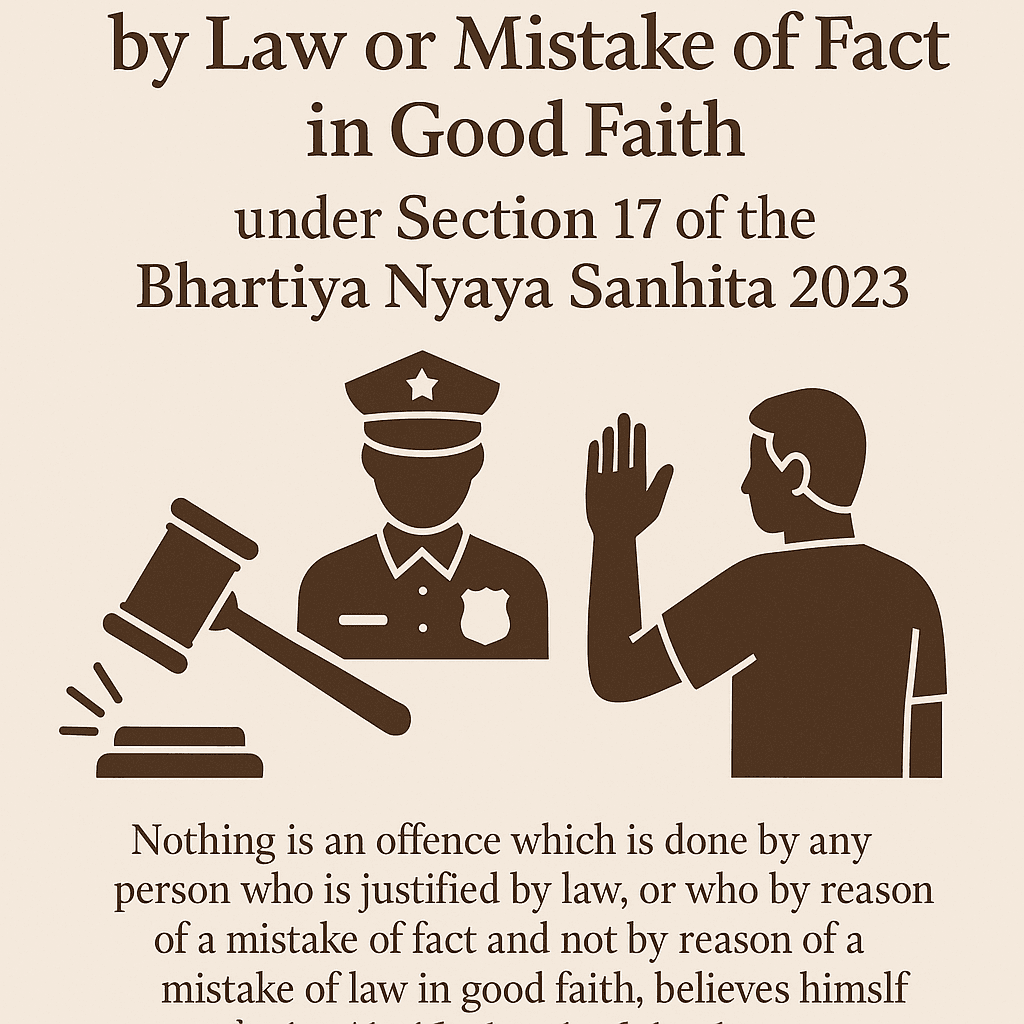
Protection for Actions Justified by Law or Mistake of Fact in Good Faith under Section 17 of the Bhartiya Nyaya Sanhita 2023

Section 17 of the Bhartiya Nyaya Sanhita 2023 makes sure that no one is unjustly punished who acts in pursuance of justification in law or in good faith in reasonable mistake of fact. It safeguards law enforcement officers, security officers, and common citizens who might get caught off guard in circumstances under which they have to make quick decisions based on information available to them. But this protection does not extend to individuals who act with negligence or abuse the law for self-interest. By balancing legal protection and responsibility, this provision ensures that fairness prevails in the justice system.

Law Notes

Suits for Accounts and Dissolution of Partnership (Sections 33 & 34 of The Rajasthan Court Fees and Suits Valuation Act, 1961)

Sections 33 and 34 of The Rajasthan Court Fees and Suits Valuation Act, 1961, regulate court fees on suits for accounts and suits on dissolution of partnership in Rajasthan, India. Section 33 is concerned with suits for accounts, correlating fees to the amount probably found due or a fixed scale, to provide flexibility. Section 34 refers to dissolution of partnerships, assessing fees in accordance with the value of partnership property or relief claimed. These sections ensure fairness and accessibility in resolving business and financial disputes, with a clear fee structure for court proceedings.

Law Notes

Suits for Injunction and Trust Property (Sections 26 & 27 of The Rajasthan Court Fees and Suits Valuation Act, 1961)

Sections 26 and 27 of The Rajasthan Court Fees and Suits Valuation Act, 1961, control court fees for suits on injunctions and trust properties in Rajasthan, India. Section 26 controls fee suits on injunction, tying fees to the relief value sought or a fixed fee, making fees affordable and consistent. Section 27 deals with trust property suits, charging fees according to the market value of the property or the sum in dispute, ensuring fair access to justice. These sections simplify legal proceedings, striking a balance between cost and fairness in cases of restrictive orders and trust property disputes.