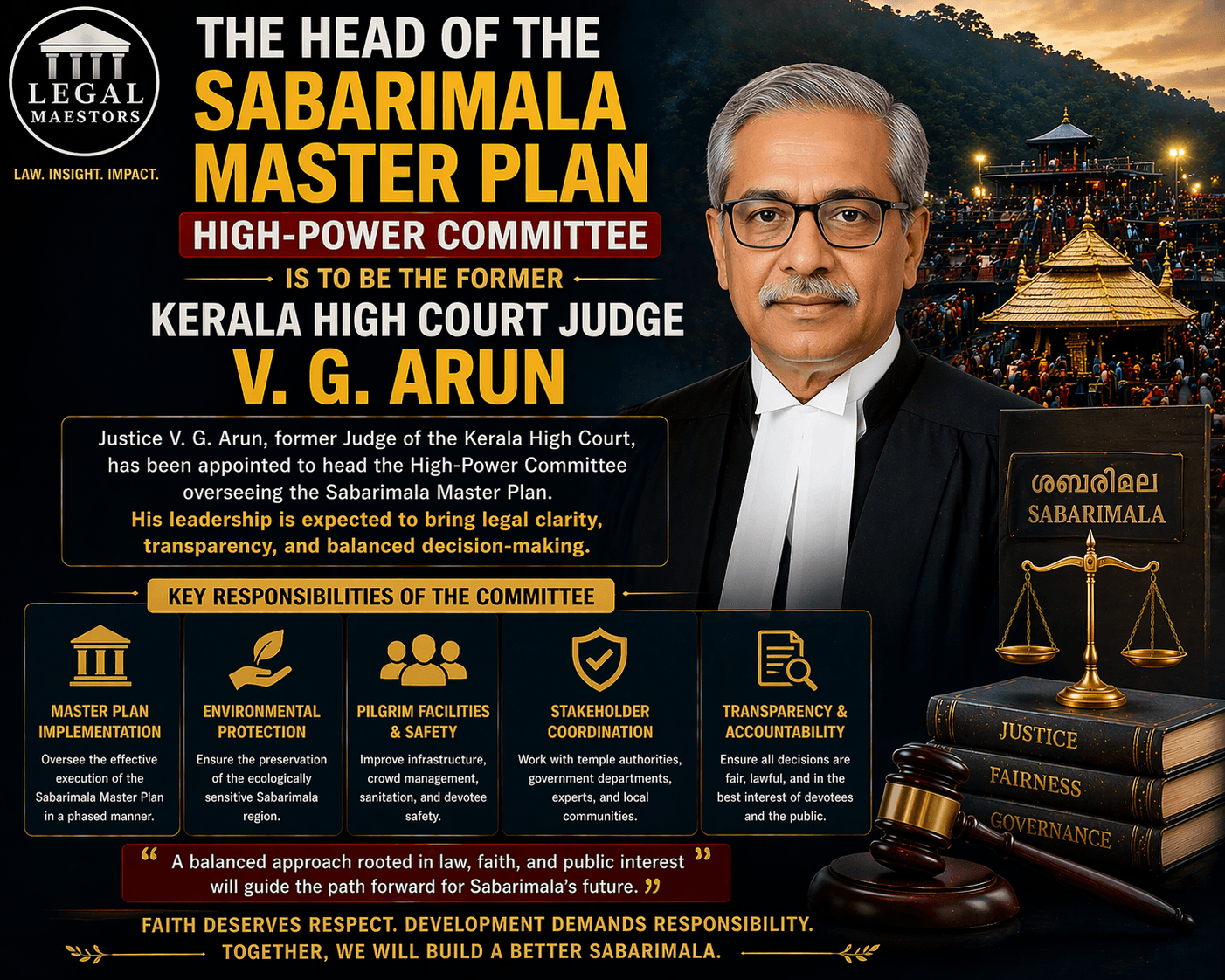
The Head of the Sabarimala Master Plan High-Power Committee is to be the former Kerala High Court Judge V. G. Arun.
. Introduction As a big step in managing and future planning of one of the most frequent pilgrimage sites in…
Keeping Pace with Legal Change
. Introduction As a big step in managing and future planning of one of the most frequent pilgrimage sites in…
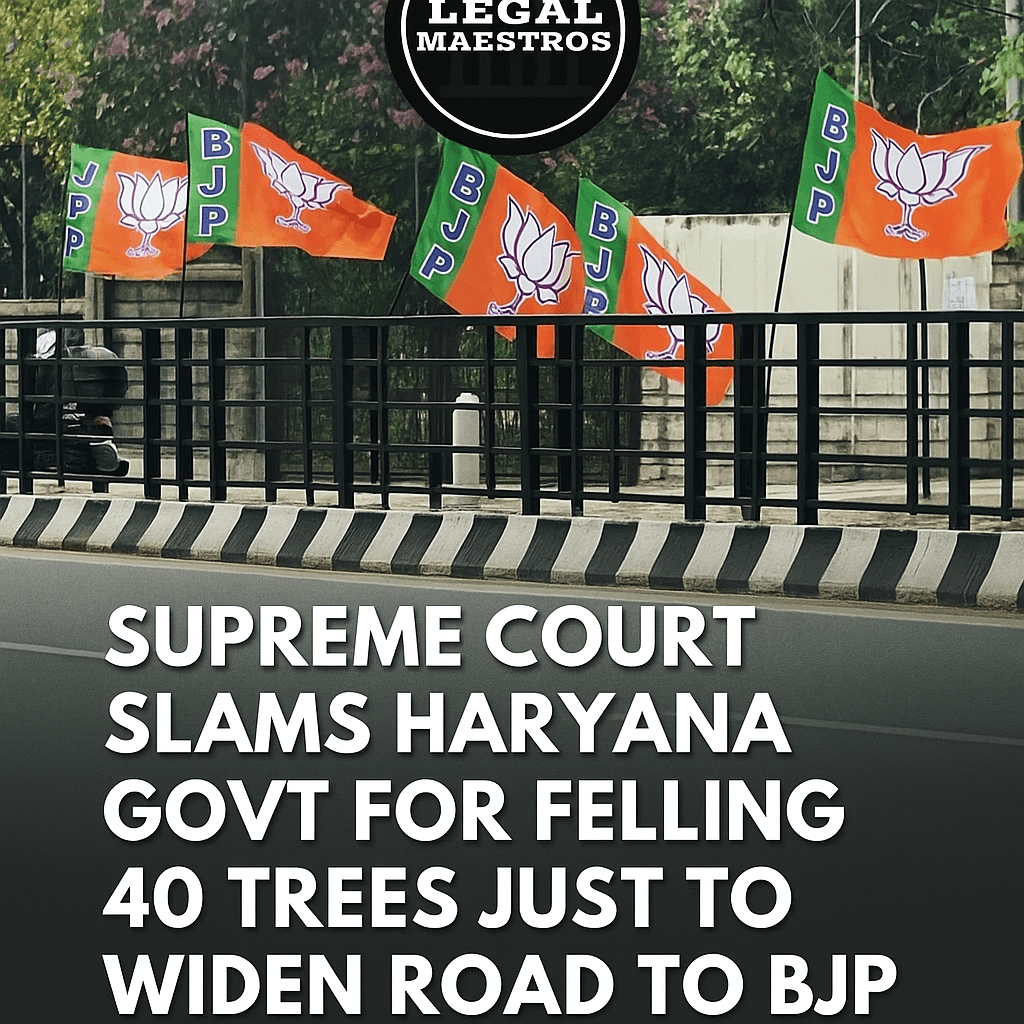
The Supreme Court of India has made a scathing attack on the administrative priorities by reprimanding the government of Haryana harshly over its approval of cutting down of 40 fully grown trees. The accident, that happened in Karnal, was allegedly to make a road wider to serve a newly built office of the Bharatiya Janata Party (BJP).
Commercial filming in reserved forests Kerala High Court, in its order dated June 2, 2025 in W.A. No. 2179 of 2023, issued a policy review regarding commercial filming in reserved forests. The court ordered the stakeholders to look into environmental protection measures, fee systems, and regulation transparency, and then give permission to shoot.
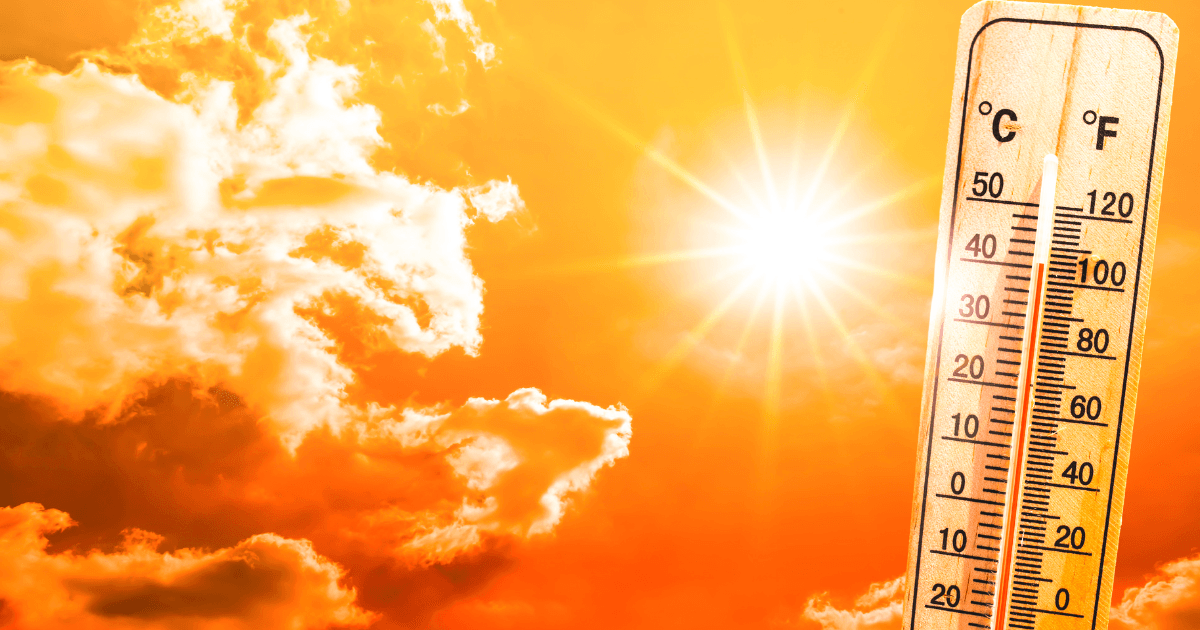
The state of Rajasthan has emerged as a climate hotspot, with heatwaves intensifying both in frequency and severity over the past decade. Temperatures exceeding 45°C have become alarmingly common, placing immense pressure on public health systems, water resources, and vulnerable communities. Despite the gravity of the crisis, India’s environmental legal framework has struggled to evolve from a conservation-centric approach to one that adequately addresses climate adaptation and resilience.
At the constitutional level, Article 21—the right to life—has been interpreted by Indian courts to include the right to a clean and healthy environment. Yet, in practice, the application of this right in the context of climate-induced disasters remains limited and inconsistent. While Article 48A of the Directive Principles of State Policy calls for the protection and improvement of the environment, and Article 51A(g) places a duty on citizens to safeguard natural resources, there is a notable absence of enforceable mechanisms that translate these provisions into meaningful climate action, especially at the state level.
This gap is particularly evident in Rajasthan, where legal mandates and disaster management policies remain fragmented and reactive rather than preventive or adaptive. State action has often been guided by short-term relief measures rather than long-term climate resilience planning. Moreover, the lack of climate-specific legislation results in an over-reliance on generic environmental laws and judicial activism, which, while valuable, cannot substitute for a coherent statutory framework.
This excerpt lays the groundwork for a deeper analysis of how constitutional principles and environmental statutes can and must evolve to meet the unprecedented challenges posed by climate change in India’s most vulnerable regions.