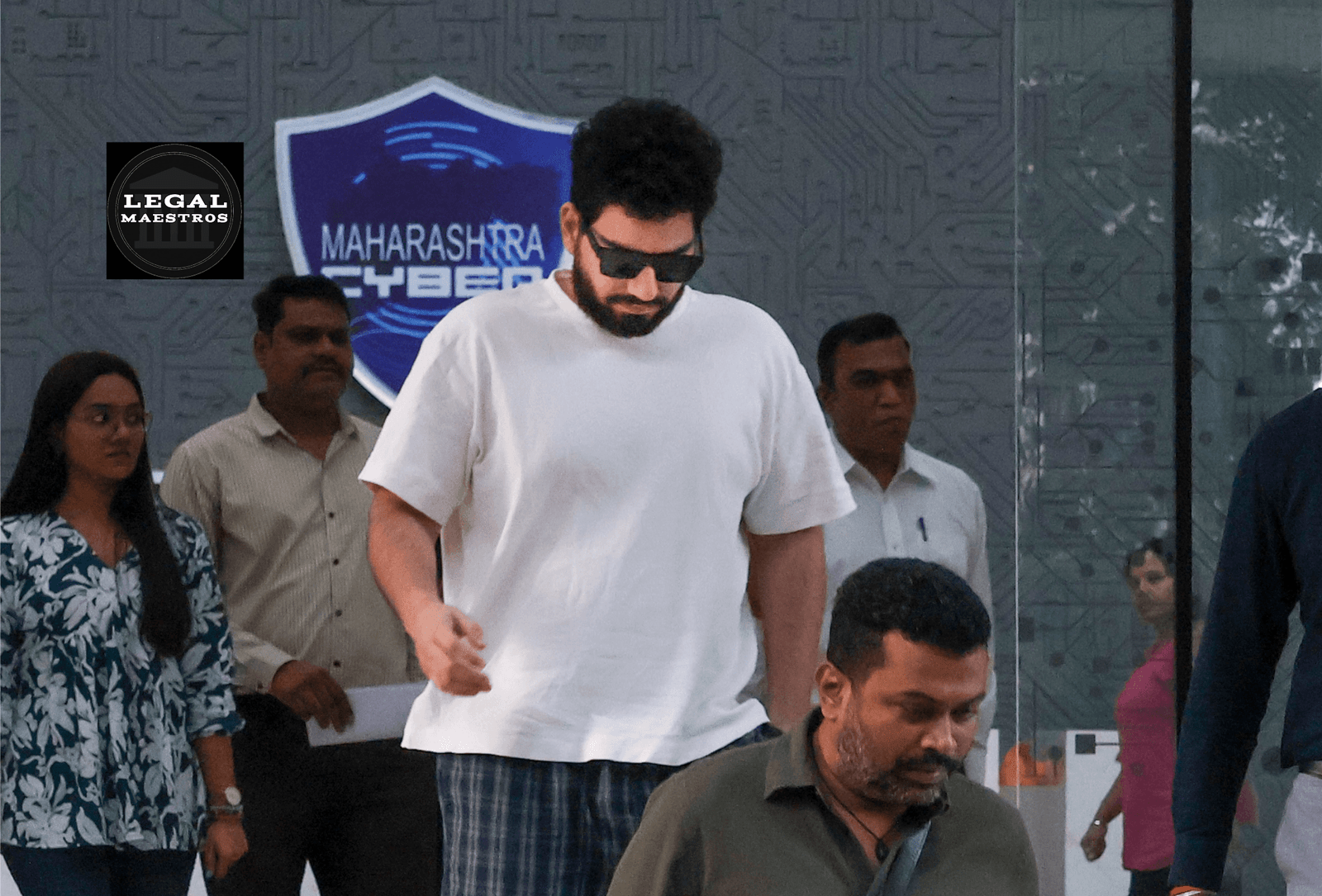
India’s Got Latent row: Comedian Samay Raina appears in SC; court asks him, others to file response
Introduction So, picture this: July 15, 2025, Supreme Court of India’s got five social media influencers in the hot seat.…
Keeping Pace with Legal Change
Introduction So, picture this: July 15, 2025, Supreme Court of India’s got five social media influencers in the hot seat.…
As a result of a decision made by the Supreme Court, retirement age extension benefits for disabled government employees cannot be restricted to only one form of disability. Until the policy was withdrawn, it allowed for a portion of the benefits to be provided to an employee who had a locomotor handicap.
The journey that India has taken in terms of disability rights has been extraordinary, beginning with the compassionate depiction of dyslexia in Taare Zameen Par and ending with the harsh directions of the Supreme Court. A sturdy framework has been established as a result of constitutional provisions of equality and dignity, which have been strengthened by the Rights of Persons with Disabilities Act of 2016, as well as a number of progressive rulings. The desire of the judiciary to bring about genuine change is demonstrated by landmark cases such as Rajive Raturi, Vikash Kumar, and Chief Commissioner for Persons with Disabilities. As India continues to make progress, the combination of law, policy, and public will will continue to be essential in order to guarantee that every individual with a disability is able to participate in society in an equal and complete manner.
The Jeeja Ghosh and Anr v. Union of India & Ors (2016) case was a landmark moment in asserting the rights of individuals with disabilities in India’s aviation industry. Jeeja Ghosh, an activist who has cerebral palsy, was forcibly removed from a SpiceJet flight, prompting a landmark Supreme Court decision. The Court reiterates the provisions of accessibility and reasonable accommodation as core rights, mandating compensation and stressing the importance of sensitivity training in airlines. This ruling reiterated the legal and ethical mandate to ensure dignity and non-discrimination for disabled travelers under the RTI Act and international standards.