Stability Over Shifting Sands: Upholding Judicial Finality in Rajasthan High Court
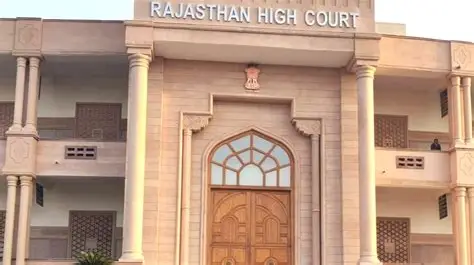
On July 1, 2025, the Rajasthan High Court—which was established by Justice Anoop Kumar Dhand—provide a important ruling stressing on…
Keeping Pace with Legal Change
On July 1, 2025, the Rajasthan High Court—which was established by Justice Anoop Kumar Dhand—provide a important ruling stressing on…
To this extent the Supreme Court observed that a plaintiff relying on Order IX Rule 4 CPC is entitled to file a fresh suit after a restoration plea is dismissed, and such dismissal does not create res judicata. This ruling affirms problems with procedural rights in civil lawsuits.
The Supreme Court of the United States addressed the legal repercussions of consent decrees in family division cases in this significant decision. The court reaffirmed that after such decrees have been issued, they cannot be challenged via a new litigation and must only be opposed through recall processes.
The decision that the Supreme Court made in the case of Rajiv Ghosh v. Satya Narayan Jaiswal is discussed in this article. The article focuses on the tenancy rights of legal heirs as outlined in Section 2(g) of the West Bengal Premises Tenancy Act, 1997, as well as the application of Order XII Rule 6 of the Criminal Procedure Code in cases involving eviction.