Dhurandhar 2: Why Abuses Get Muted in India But Flow Freely Abroad – An Analysis on Freedom of Speech
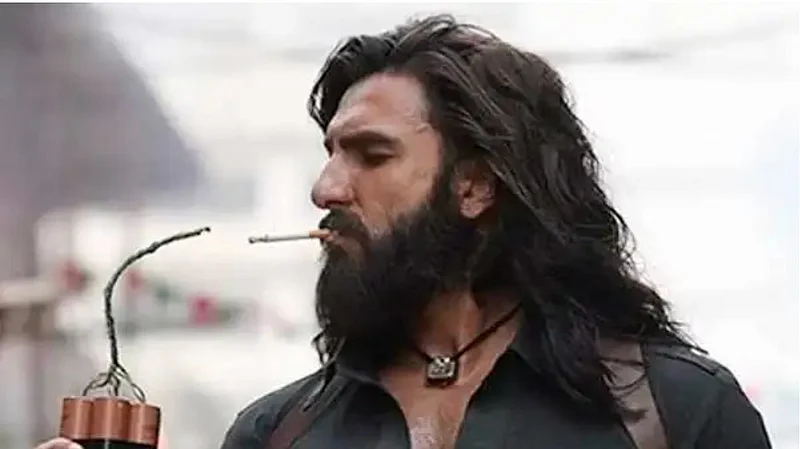
Introduction The release of Dhurandhar 2 has once again brought about the issue of liberty of speech and censorship in…
Keeping Pace with Legal Change
Introduction The release of Dhurandhar 2 has once again brought about the issue of liberty of speech and censorship in…
The Case of Free Speech: A Lawsuit Guided Tour of the Jimmy Kimmel Controversy. The latest suspension of the late-night…
Delhi High Court is in the midst of a big legal controversy, whether the Central Government can actually exercise its…
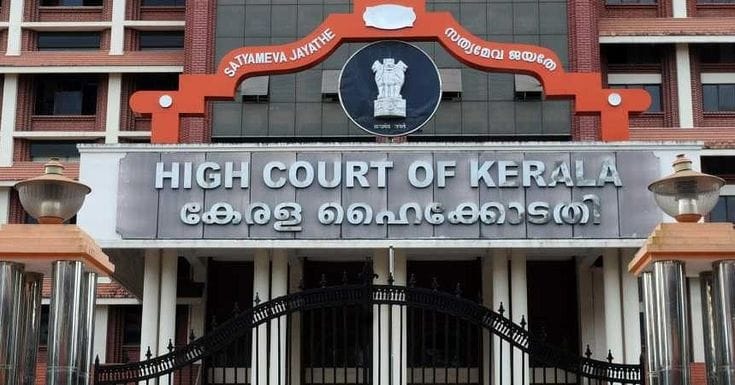
The Kerala High Court instructed the CBFC to issue a censor certificate for the Malayalam movie JSK: Janaki v/s State of Kerala, denying excessive censorship for alleged religious insensitivity. The court ruled that minor alterations were adequate and stressed that artistic freedom under Articles 19(1)(a) and 19(1)(g) should not be stifled by subjective criteria. The decision is an important precedent balancing creative expression with communal sensibility within constitutional limits.
X (formerly Twitter) claims the Indian government ordered blocking of over 2,000 accounts, including Reuters, under Section 69A of the IT Act, 2000. This escalates debate on online censorship, press freedom, and government powers, with both sides presenting conflicting narratives on the issue.
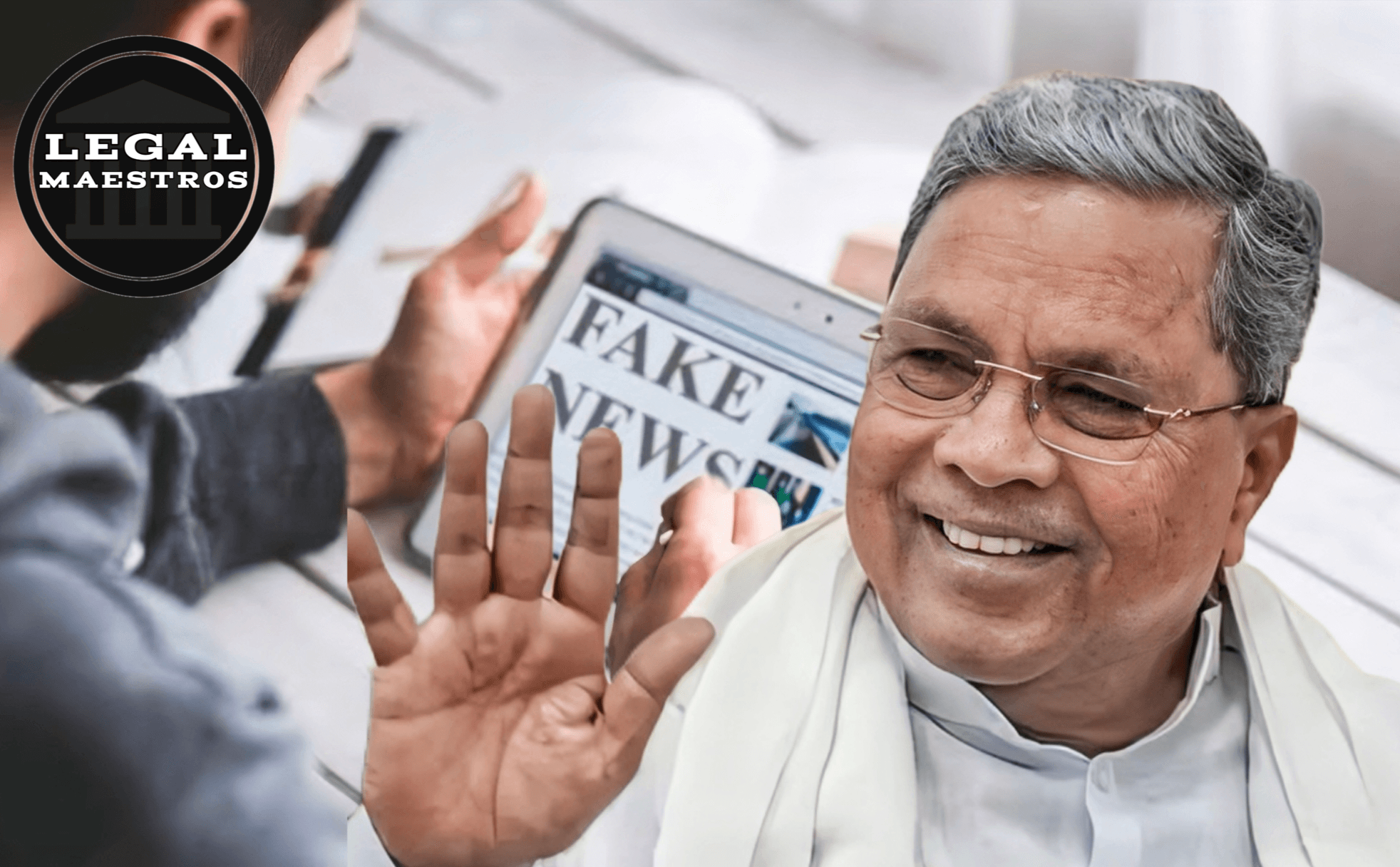
The government of Karnataka wants to come out with a strict new section to deal with fake news and misinformation with punishment going up to a maximum of 7 years in prison and a 10 lakh- rupee fine. The draft bill also seeks to create a regulatory office and special courts to check the accuracy of content in social media and the accountability that provokes the question of freedom of speech.
The Indian stand-up comedians’ legal woes merely echo a grander conflict between liberty of expression and the limits set by law and society. While humour has been employed since time immemorial as a mode of social and political commentary, it is being perceived more and more as a threat to authority. The case of Kunal Kamra, Munawar Faruqui, and Mohit Morani serves to demonstrate the dangers comedians court if they are at all critical of authority or religious sentiments.