Current Legal Update

Strategies to Secure a Military Law Research Associate Position with the Indian Army’s Litigation Wing in 2025

Securing a Military Law Research Associate position with the Indian Army’s Litigation Wing in 2025 requires thorough legal education, specialized knowledge of military statutes, practical litigation experience, a research portfolio, professional networking, meticulous application preparation, and mastery of interview skills.
Current Legal Update

Ensuring Merit and Experience: The Supreme Court’s Landmark Ruling on Judicial Service Recruitment

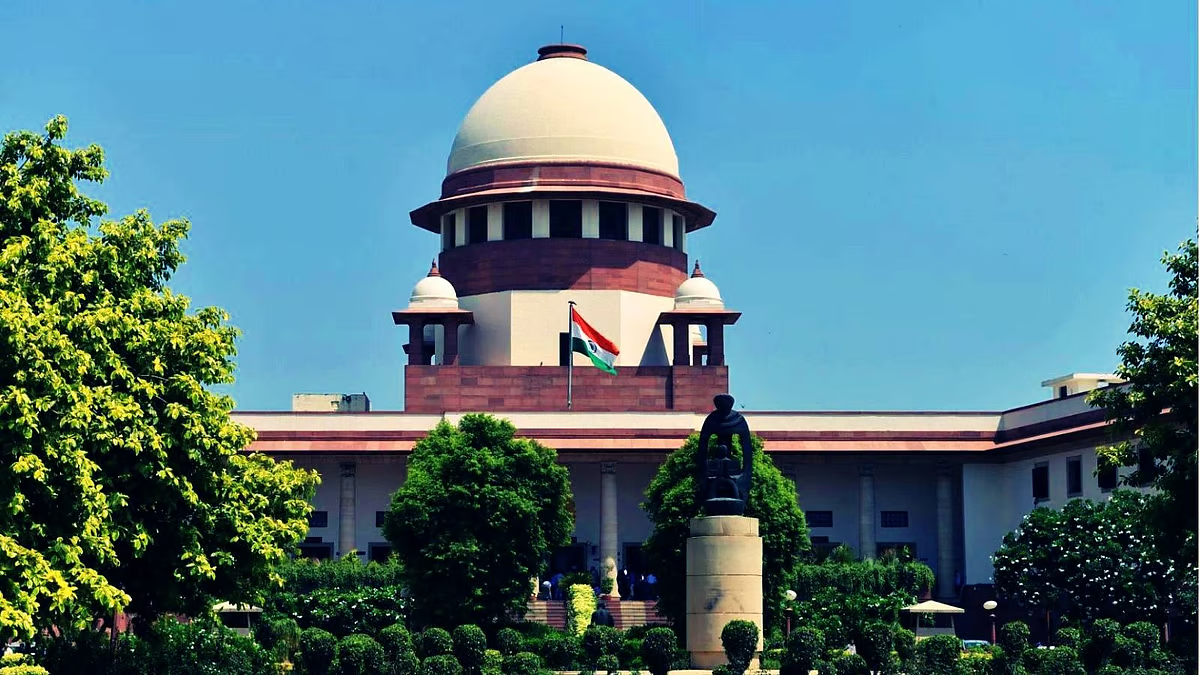
The Supreme Court restored essential safeguards in judicial recruitment May 20, 2025, reinstating quotas and minimum experience requirements for entry and promotion. By balancing merit and practical legal training, the judgment ensures consistent standards across states and prepares candidates with necessary courtroom exposure, strengthening India’s subordinate judiciary for future challenges.

The Supreme Court restored essential safeguards in judicial recruitment May 20, 2025, reinstating quotas and minimum experience requirements for entry and promotion. By balancing merit and practical legal training, the judgment ensures consistent standards across states and prepares candidates with necessary courtroom exposure, strengthening India’s subordinate judiciary for future challenges.

Current Legal Update

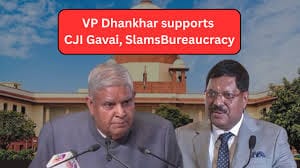
CJI Gavai’s Maharashtra Visit Marred by Protocol Breach: VP Dhankhar Backs Judiciary

During his first visit to Maharashtra as Chief Justice of India on May 18, 2025, B.R. Gavai expressed displeasure over the absence of senior officials, including the Chief Secretary, DGP, and Mumbai Police Commissioner, highlighting a protocol breach. Speaking at a Bar Council event, he emphasized mutual respect among democracy’s pillars—judiciary, legislature, and executive. Vice-President Jagdeep Dhankhar supported Gavai, noting his own experiences with protocol lapses and stressing institutional respect. The incident sparked political debate, with officials later apologizing at Chaityabhoomi. Gavai underscored the Constitution’s supremacy, urging harmony among democratic institutions.

CRIMINAL LAW

Should Advocates Convicted of Contempt Be Allowed to Practice?

The issue of whether advocates convicted for contempt can be denied practice raises ethical and legal issues. Contempt of court erodes judicial authority, and the advocates, being officers of the court, are expected to maintain high standards of integrity. In India, the Advocates Act, 1961, authorizes Bar Councils to discipline advocates for misconduct, including convictions for contempt. Exclusion from practice could disproportionately punish reformable offenders, affecting their livelihood. Courts regularly weigh public confidence in the system against rehabilitation potential on a case-by-case basis. This tension is a reflection of professional privilege versus accountability tensions.