Supreme Court Clarifies Jurisdiction for Quashing FIRs, Charge-sheets, and Cognizance Orders
Introduction In a significant ruling, the Supreme Court of India, in the case of Pradnya Pranjal Kulkarni v. State of…
Keeping Pace with Legal Change
Introduction In a significant ruling, the Supreme Court of India, in the case of Pradnya Pranjal Kulkarni v. State of…
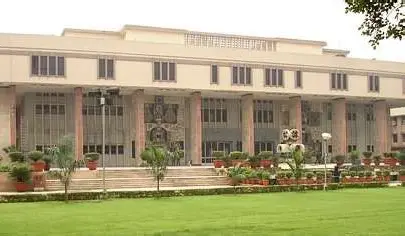
In a high-value commercial contract dispute, the Delhi High Court analyzed the jurisdiction of a writ petition from Ambuj Hotel and Real Estate Pvt. Ltd. against IRCTC in respect of the wrongful demand of extra license fee for onboard catering. The contention revolves around the number of train coaches and contractual interpretation, raising important questions on promissory estoppel, jurisdiction, and the boundaries of Article 226 in commercial cases.
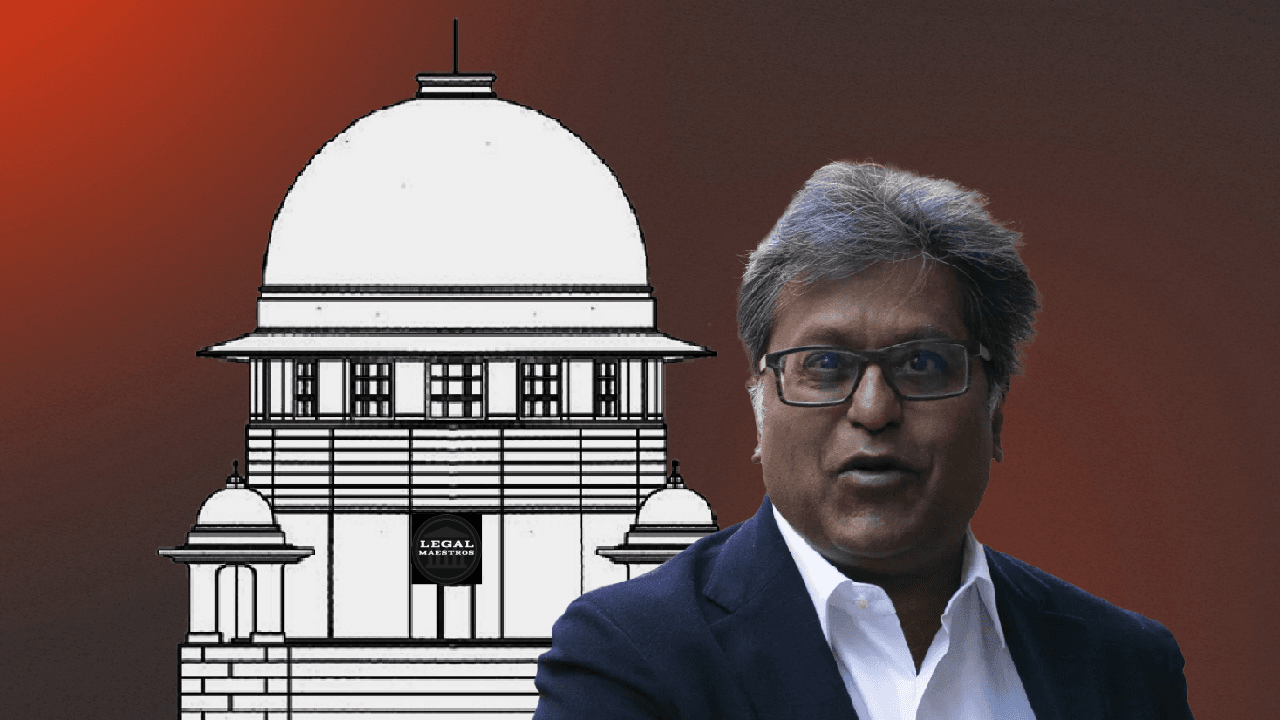
The Supreme Court on June 30, 2025, directed Lalit Modi to civil courts for his ₹10.65 crore claim against BCCI. Upholding the Bombay High Court, the ruling clarified BCCI is not a “State” for all writ purposes, emphasizing that financial disputes are for civil remedies.
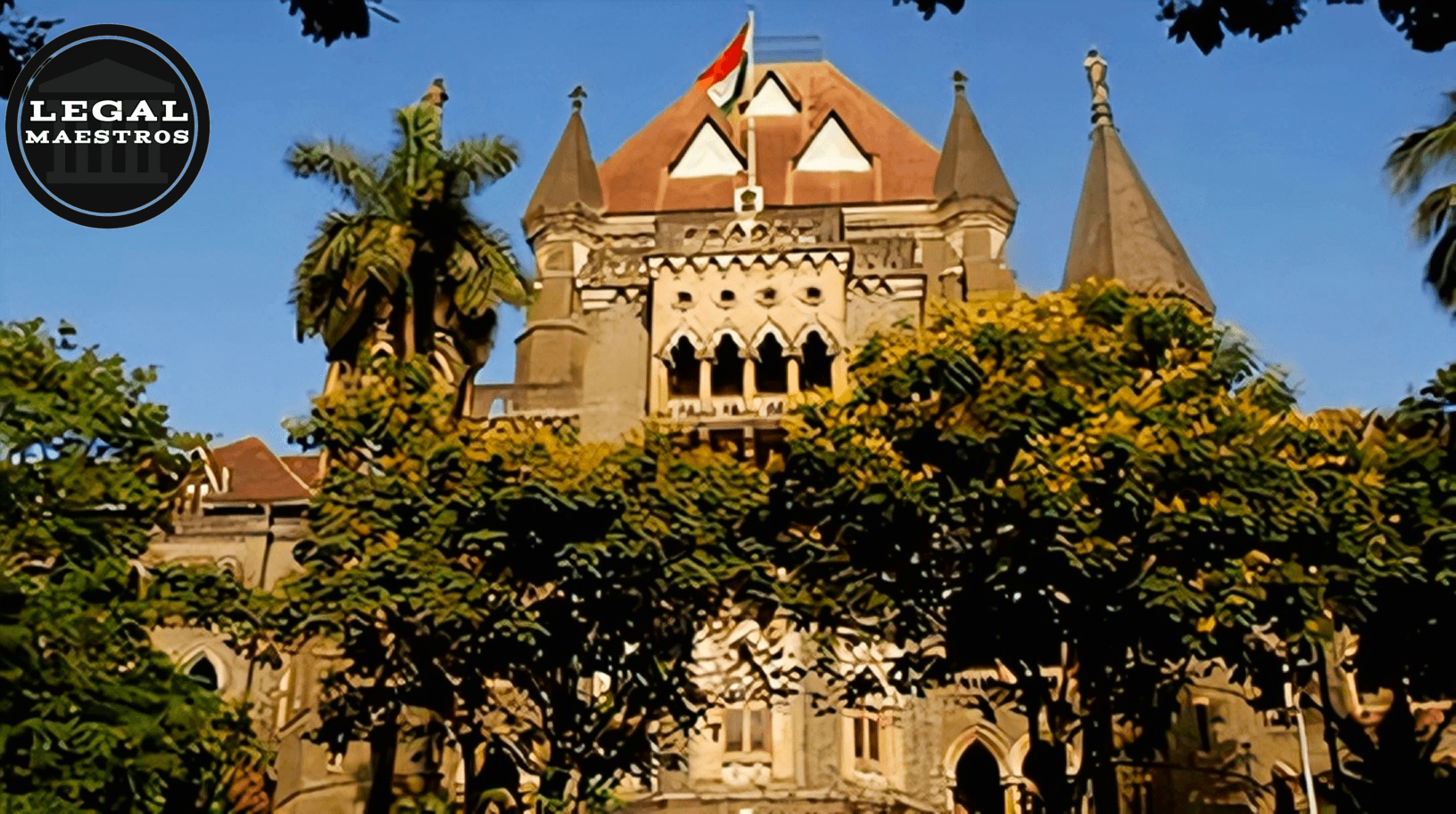
This paper discusses a ruling of the Bombay High Court in Chetan Chandrakant Ahire against. Union of India, rejected a writ petition, which objected to the Maharashtra Assembly elections. The Court stressed upon the legislative prohibition against intervention by the Court on the subject of an election, the lack of locus standi of the petitioner and a dearth of any demand for justice, recreating the orderly nature of the legal system of election disputes.
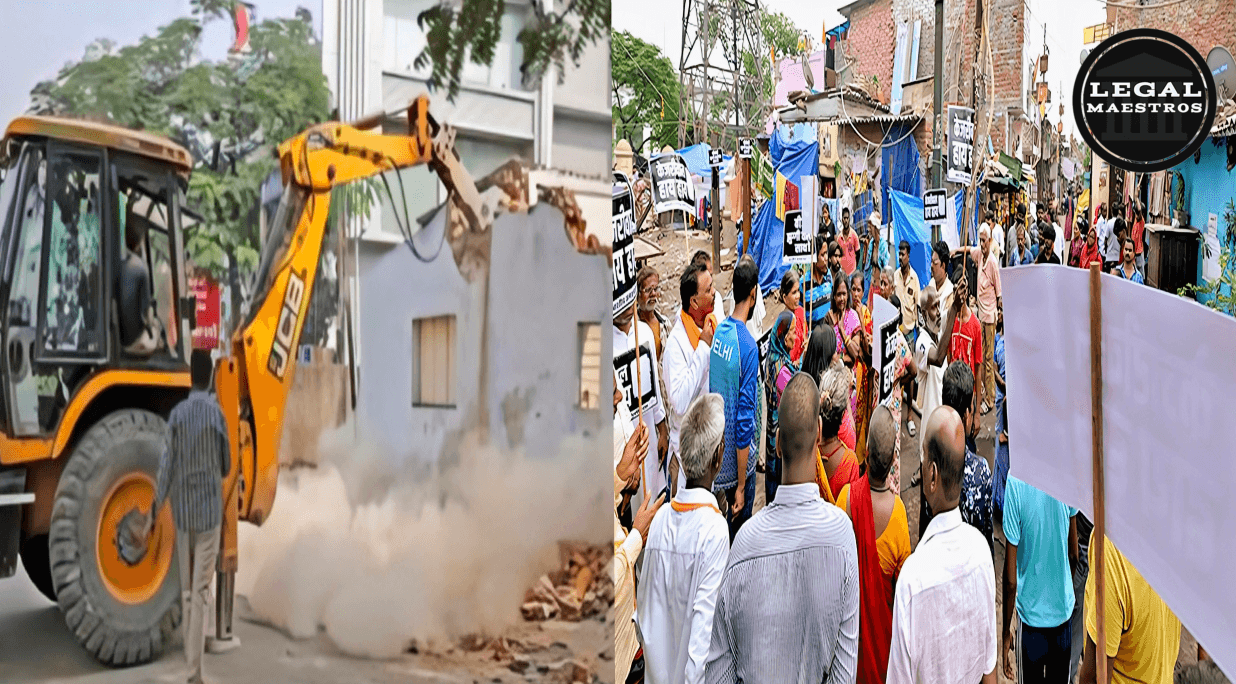
By issuing an order to destroy the Madrasi Camp encroachment on the Barapullah drain, the Delhi High Court has articulated its responsibility to maintain environmental safeguards and urban infrastructure. The ruling, which is based on the public trust concept, municipal law, and environmental legislation, strengthens the legal procedures that are in place to clean environmental streams.