Testing the Constitution: Karnataka’s Caste Census and the 50% Reservation Ceiling
The elaborate social structure of India with its centuries of practices of caste hierarchies governed by traditions still struggles against…
Keeping Pace with Legal Change
The elaborate social structure of India with its centuries of practices of caste hierarchies governed by traditions still struggles against…
Justice M.S. Janarthanam, a former judge of the Madras high court led the battle to protect the 69% reservation policy of Tamil Nadu. The laws of social justice in the state and beyond were substantially fortified through his law practice with regards to the sub-quotas and rights of backward classes.
Through the implementation of constitutional legislation, social justice, and political strategy, the concept of a caste census in India is brought together. In spite of the fact that the Constitution has provisions such as Article 340 for the purpose of researching backward classes, the Supreme Court has limited reservations to fifty percent and emphasized the importance of scientific evidence for any increase.
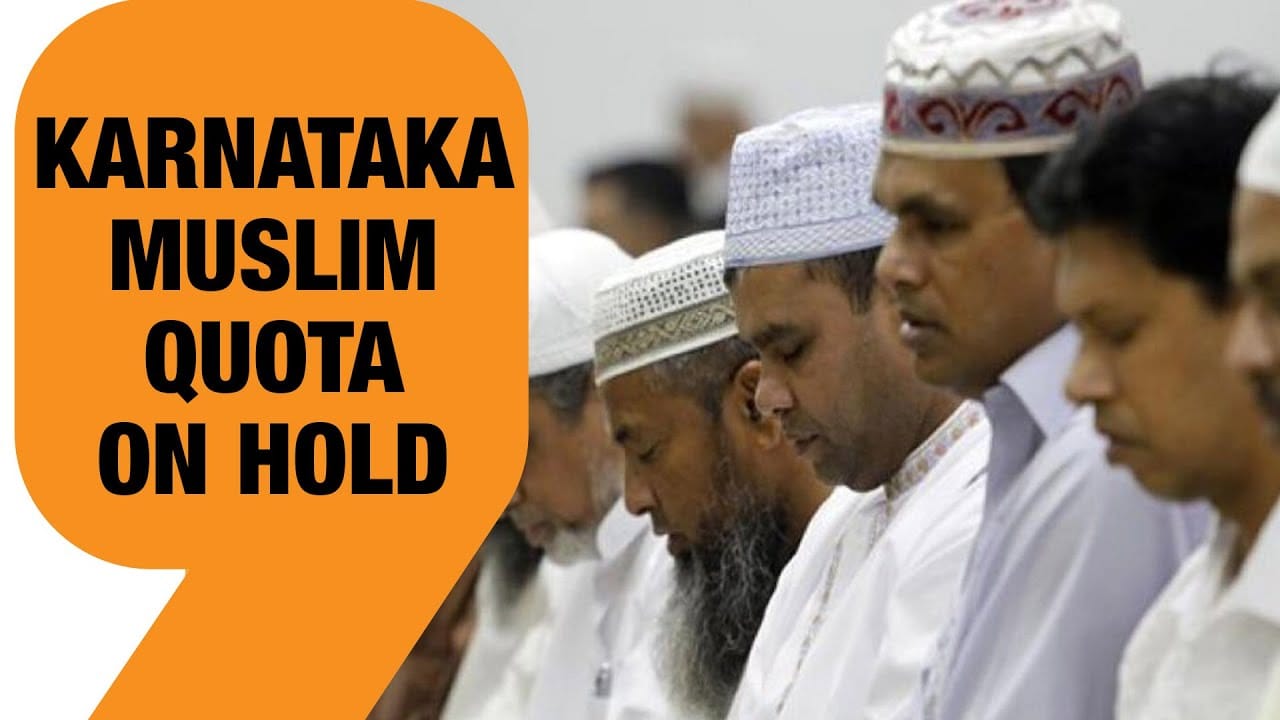
The problem of Muslim reservation in Karnataka continues to be a complicated and nuanced issue. While the reservation policy is justified as a need to empower an historically disadvantaged group still suffering socio-economic disadvantages, critics point out that reserving positions on a purely religious basis goes against the constitutional principle of equality and will splinter society on communal lines.