Current Legal Update

Supreme Court Calls for Performance Audit of High Court Judges Amidst Concerns Over Delays and Accountability

The Supreme Court is distressed by the delays and lack of performance of High Court judges. In light of the recent complaints about unscheduled breaks and the fact some judges had not delivered verdicts that had previously been reserved, the Supreme Court believes some form of a performance audit is necessary to find out whether High Court judges are producing an output consistent with public expenditure. This would aim to restore confidence in the judicial system through enhanced speedy justice and greater transparency.

Supreme Court

Supreme Court Sets Limits on Regulatory Assets for Electricity Tariffs: Emphasizes Accountability and Timely Recovery

The Supreme Court made it clear that regulatory assets are only expected to be very rare, limited to only 3% annually of revenue, and to be fully recovered in 3 years for new or later assets and 5 years for existing or prior assets. Regulatory Commissions are expected to set up cost-reflective tariffs and equally manage regulatory assets in a fully transparent manner and subject to rules and policies. The judgment imposes strict accountability, and has empowered APTEL to ensure compliance and control against regulatory failure.

Current Legal Update

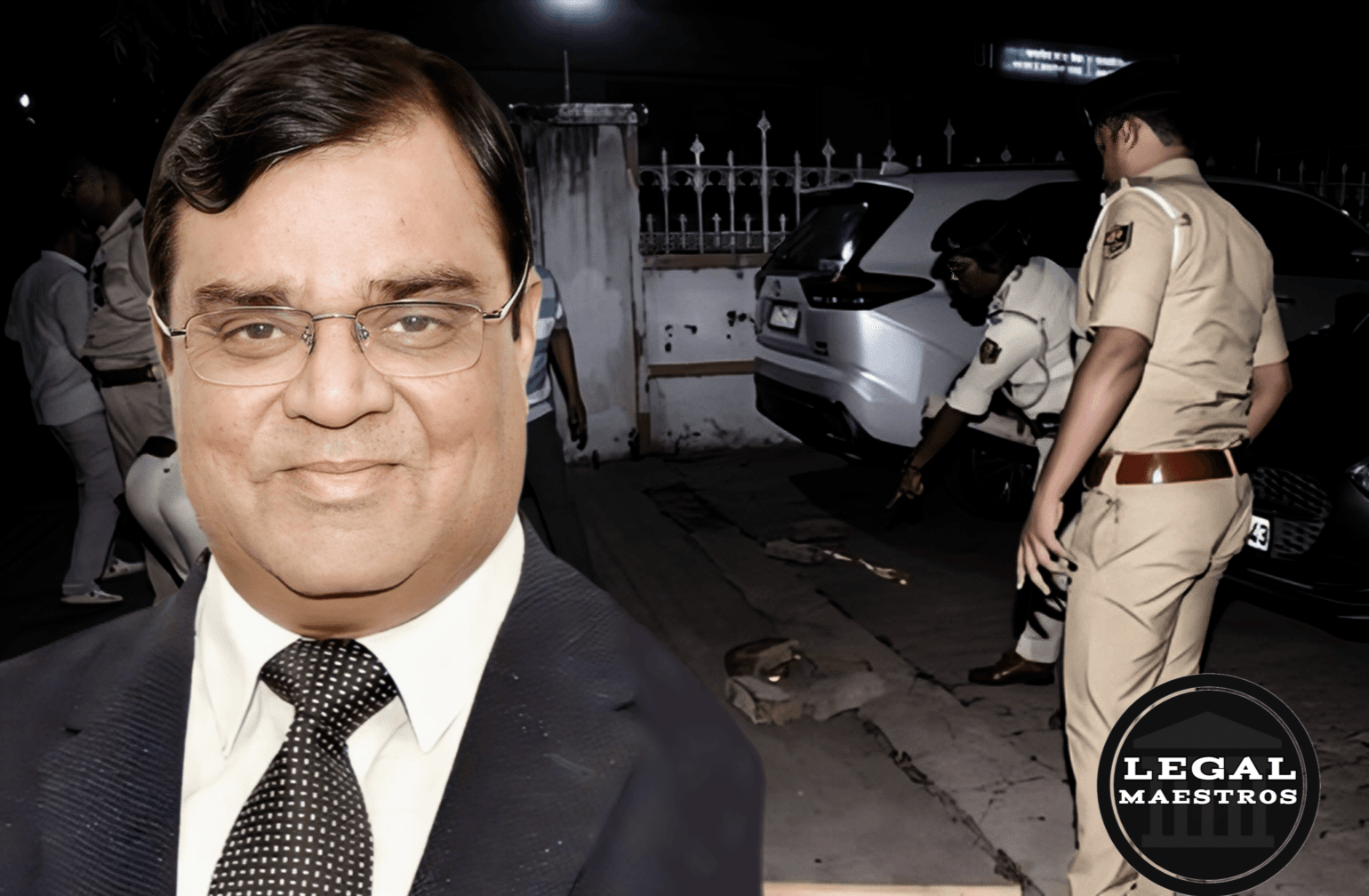
Gopal Khemka Murder: Legal Questions Surround Bihar Police Encounter of Accused Conspirator

This paper will look at the legality issues of the Bihar Police encounter that was killed during the operation Vikas alias Raja who was an accused in the Gopal Khemka murder case. It gives an overview of the case, the legal provisions involved, such as the law of self-defense, and the Supreme Court directions on encounters, as well as the rights of the accused.

Supreme Court

No Stay on Convictions for Corrupt Public Servants, Says Supreme Court

In this article, the author focuses on the decision of the Supreme Court in a Special Leave Petition where conviction of a public servant was not stayed under Prevention of Corruption Act. It explores the reasoning of the Court in opposing convictions that are stayed with respect to cases in which the charges against a public servant relate to corruption, strengthening the rule of the courts and citing the principles that apply of accountability and good citizenship in public service. It discusses the actual background, the legal provisions at stake, and the underlying facts brought to request by the Court.

High court

Orissa High Court Condemns Illegal Bulldozer Demolitions, Orders ₹10 Lakh Compensation for Affected Parties

The given article examines an important judgement of the Orissa High Court on the matter of the unlawful destruction of a communal building, and points to how the court admonished the disregard of procedure and an abuse of authority by the executive particularly closely. Cruciality of following guideline by Supreme Court on demolition, protection of constitutional right of people and getting confidence of people in governance has been stressed by the ruling. It is a grave cautioning that the action taken by the state can never be out of line with the postulates of natural justice and the rule of law.

Supreme Court

God Knows How Many Languish in Jails Over Technicalities: Supreme Court Rebukes UP, Directs ₹5 Lakh Payout

This article is an abstract of a Supreme Court case based on which the liberty of an individual had to be delayed due to a minor technicality in a release order. It reviews the vigorous reproach of such developments expressed in the judgment of the Aglo/Buhari case: the principle of substance over form in the judicial order, and strong consequences for the protection of the fundamental rights. The case stresses the importance of the judiciary in aspects of timely execution of orders of release and responsibility for negligence of duty.

Current Legal Update

Karnataka Government’s New Anti-Fake News Law: Proposing 7-Year Jail Term and ₹10 Lakh Fine for Offenders

The government of Karnataka wants to come out with a strict new section to deal with fake news and misinformation with punishment going up to a maximum of 7 years in prison and a 10 lakh- rupee fine. The draft bill also seeks to create a regulatory office and special courts to check the accuracy of content in social media and the accountability that provokes the question of freedom of speech.

Current Legal Update

Election Commission’s 45-Day CCTV Footage Retention Rule: Does It Violate Voter Privacy Laws and Electoral Transparency?

The decision of the Election Commission of India to keep only 45 days of CCTV footage of the polling station unless an election petition is filed is a debateable topic. Although such a policy is intended to safeguard voter privacy and avoid the use of footage to create damaging narratives, critics view it to be a hindrance to voting transparency and accountability creating fundamental questions about what democracy has to offer as a value.