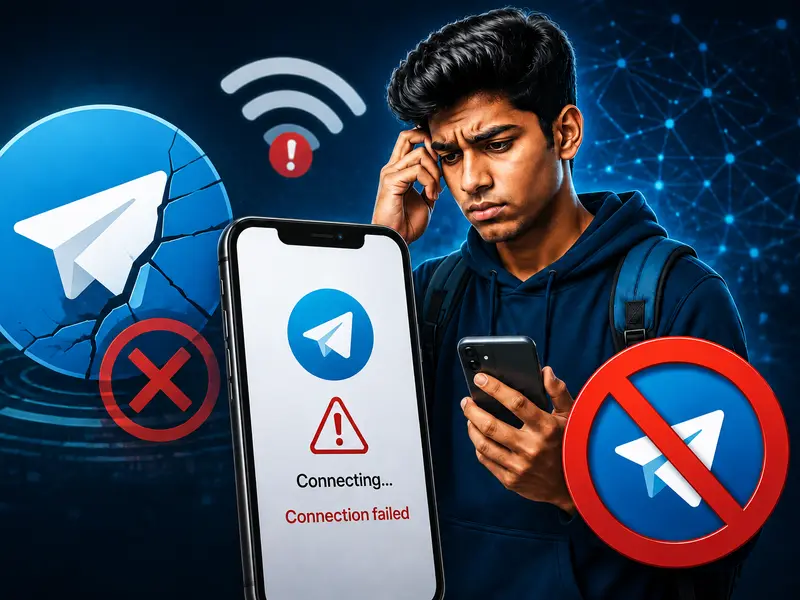
The App Is Back If you opened your Android phone this morning, you might have noticed something familiar. Telegram is back. You can download it.
You can update it.
And now, the emergency order is officially over.
The Ministry of Electronics and Information Technology lifted the blockade. Google restored the app on its store. But the story behind this sudden disappearance is a lot wilder than a random tech glitch.
For the past week, trying to find it on the Google Play Store was completely useless. The government pulled the plug. They used a heavy legal tool to do it. It was a total blackout for millions of users across India.
It involves desperate students. It involves massive cheating networks. A high-stakes medical exam.
And a courtroom battle that might change how the internet works in this country.
Right now, Android users are logging back in. Apple users are still waiting for the App Store to catch up. But the dust is starting to settle. The Exam Scandal The whole mess started with the NEET exams.
This is the massive test millions of kids take to get into medical school.
The original test earlier this year turned into a disaster because papers got leaked. So, the authorities scheduled a re-examination for June 21. That is when the National Testing Agency panicked.
They noticed bad actors running wild on Telegram. These scammers set up channels with names claiming they had the leaked papers for the new test. They demanded crazy amounts of money from panicked students.
Telegram has some unique features.
You can upload huge files. You can use automated bots. Most importantly, you can edit messages long after you send them. The scammers abused this.
They would post a random message before the exam.
After the exam finished, they would edit that old message and insert a PDF of the actual question paper. It made it look like they had the paper hours before the test started. This created massive fake news and panic.
The government tried playing whack-a-mole. They asked Telegram to take down over a thousand specific links. Telegram deleted about nine hundred.
But the scammers just opened mirror channels.
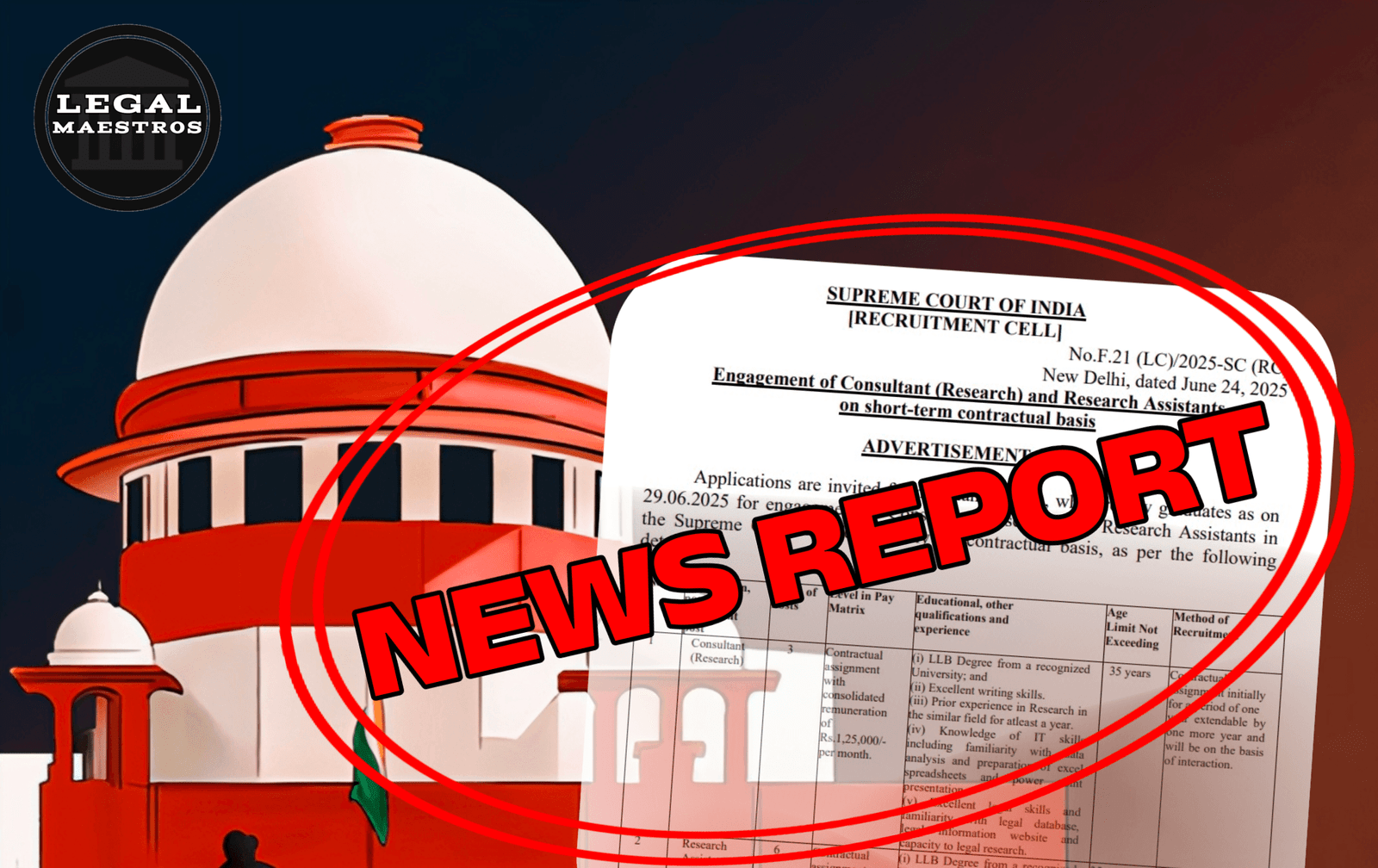
They created backups in seconds. Taking down individual groups was not working. So the government decided to nuke the entire platform. Dropping The Hammer They used Section 69A of the Information Technology Act.
This is a serious piece of law.
It gives the central government the power to block access to digital information if it threatens public order. Usually, they use it to block a specific webpage or a single video. This time, they blocked the whole app.
It is the same law they used a few years ago to ban TikTok and dozens of other Chinese apps. The emergency order went out to internet service providers. The instructions were strict.
Shut it down from June 16 to June 22.
Telecom companies had to use aggressive tactics. They did not just block a website. They used a method called IP blackholing. It basically creates a dead end on the internet for anyone trying to reach Telegram’s servers.
A few smart users figured out how to use virtual private networks to sneak past the block.
Searches for VPN tools doubled overnight. But for the average person, the app just stopped working. Messages would not send.
Groups would not load. The internet providers moved fast when the order came down. Some are moving a bit slower now that they have to reverse it.
Vodafone Idea and a few others took a little longer to get the traffic flowing again.
The Courtroom Fight Telegram did not just accept the ban quietly. They took the government to the Delhi High Court. They hired lawyers and argued that the government went too far. Their main argument was simple.
They said you cannot punish 150 million regular users just because a few criminals are doing bad things.
They argued Section 69A is meant for specific pieces of information. Not an entire messaging empire. Justice Tejas Karia heard the case.
She did not agree with the app company. The judge looked at the definition of information in the law. It includes software and computer programs.
The court decided that since an app is made of software, the whole app counts as information.
Therefore, the government has the right to block the whole thing. The judge said the ban was a last resort. She noted that the government tried taking down specific channels first. When that failed, they had to protect the two million kids taking the medical test.
Because the ban had a strict end date, the court called it fair.
They threw out Telegram’s challenge. The Missing Feature The app is surviving on phones again. People are chatting.
Businesses are using their groups. But one big feature is still missing. The message editing tool is completely disabled for users in India.
The government specifically targeted that function because of how the exam scammers abused it to fake timestamps.
The main app block ended on June 22. The restriction on editing old messages runs until the end of the month. The government wants to make absolutely sure no one tries to manufacture fake evidence of paper leaks in the days following the re-test. This entire episode sets a massive precedent.
It shows the government is willing to shut down entire communication networks if they feel things are spinning out of control.
They learned they can defend it in court. Digital rights activists are worrying out loud. They think this will make it much easier for authorities to justify shutting down other platforms in the future.
They call it a band-aid solution that ignores the deeper problems. But the exams are over. No major leaks happened this time.
And the app icon on your screen is working again.
At least for now.