High court

Delhi High Court Stays Release of ‘Udaipur Files’, Directs Petitioners to Follow Statutory Route

The Delhi High Court put on hold the release of ‘Udaipur Files’ on July 10, 2025, on charges of procedural non-compliance. Petitioners Jamiat Ulema-i-Hind and journalist Prashant Tandon objected to the CBFC certification of the film for promoting communal disharmony. The Court instructed them to approach the Centre under Section 6 of the Cinematograph Act, 1952. The release of the film is stuck until the government makes a decision within a week after hearing both parties. The decision highlights statutory remedy and a judicious balance between free speech and public order.


High courtSupreme Court

Supreme Court Rejects Plea for Exclusive Buddhist Control of Mahabodhi Temple, Refers Matter to Patna HC

In a 2025 judgement, the Supreme Court of India declined to entertain a petition under Article 32 seeking exclusive Buddhist control over the Mahabodhi Temple, Bodh Gaya. Filed by ex-minister Sulekhatai Kumbhare, the petition challenged the constitutional validity of the Bodh Gaya Temple Act, 1949. The Court cited procedural grounds, suggesting the matter be taken to the Patna High Court. The case underscores ongoing tensions around religious autonomy and minority rights in sacred site administration.

High court

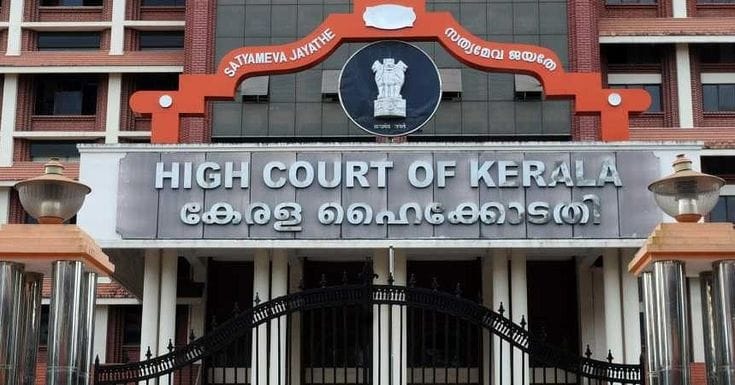
Kerala High Court Rules GST Notice via WhatsApp Invalid; Upholds Statutory Notice Requirements

In Mathai M.V. v. State GST, the Kerala High Court held that GST notices issued through WhatsApp are not legitimate under Section 169 of the CGST Act. The court emphasized that compliance with procedure and statutory means such as registered post or e-mail is to be followed for legal notice. It held that WhatsApp communication, which is allowed only as a pandemic exception, is against natural justice when used otherwise. The order of confiscation was therefore set aside, and fresh notice was directed.

Current Legal UpdateHigh court

Kerala High Court Upholds Artistic Freedom in ‘Janaki’ Film Censorship Dispute

The Kerala High Court instructed the CBFC to issue a censor certificate for the Malayalam movie JSK: Janaki v/s State of Kerala, denying excessive censorship for alleged religious insensitivity. The court ruled that minor alterations were adequate and stressed that artistic freedom under Articles 19(1)(a) and 19(1)(g) should not be stifled by subjective criteria. The decision is an important precedent balancing creative expression with communal sensibility within constitutional limits.

High court

Delhi High Court Extends Interception of Phones to Corruption Cases

In Aakash Deep Chouhan Vs. CBI, the Delhi High Court adjudicated that systemic corruption is a subject of “public safety”, thereby allowing phone interceptions under current laws. Such surveillance was upheld by the court only if supported by due process, asserting stringent compliance with legal protections. This landmark ruling expands investigators’ powers against corruption while reiterating the necessity to weigh personal privacy against public interest.

High court

Allahabad High Court Fixes Maximum Photo-Affidavit Fee at ₹125; Upholds Validity of Notarized Affidavits

In a landmark order bolstering procedural justice, the Allahabad High Court has set a cap of ₹125 on the photo-identification charge for filing affidavits and permitted affidavits sworn before public notaries to be used. The order checks unauthorized charges, streamlines affidavit filing, and gives top priority to access to justice throughout Uttar Pradesh.

High court

Delhi High Court Backs Government in Celebi Case: National Security Overrides Natural Justice

In Celebi Airport Services v. Union of India, the Delhi High Court confirmed the government’s withdrawal of security clearance of Celebi on grounds of national security in spite of the allegation of procedural injustice on part of the company. The court concluded that national security reasons take precedence over a right to prior notice and hearing, in light of Supreme Court precedents. The ruling highlights restricted judicial review in sensitive cases and points to risks confronted by foreign firms engaged in strategic sectors in infrastructure.

High court

Jamiat Ulema-i-Hind Seeks Delhi HC Ban on ‘Udaipur Files’ Over Kanhaiya Lal Murder Depiction

Jamiat Ulema-i-Hind asked the Delhi High Court to ban a movie on the murder of Kanhaiya Lal called the Udaipur Files. They claim that the trailer of this film causes communal disharmony, biases a community and is against the certification parameters of movie industry which may affect the order of the general populace before the movie is released on July 11, 2025.

High court

Çelebi Plea Dismissed: Delhi High Court Prioritizes National Security Over Judicial Review

This paper will discuss the case of the Delhi High Court on national security over natural justice regarding the grant of security clearance in the aviation security in India. It outlines the recalling of Celebi clearances, the argument that appeals to the concept of procedural justice and the court pertaining to claims of both state security and opportunity of a fair hearing and rules in preference of national security in that particular case.