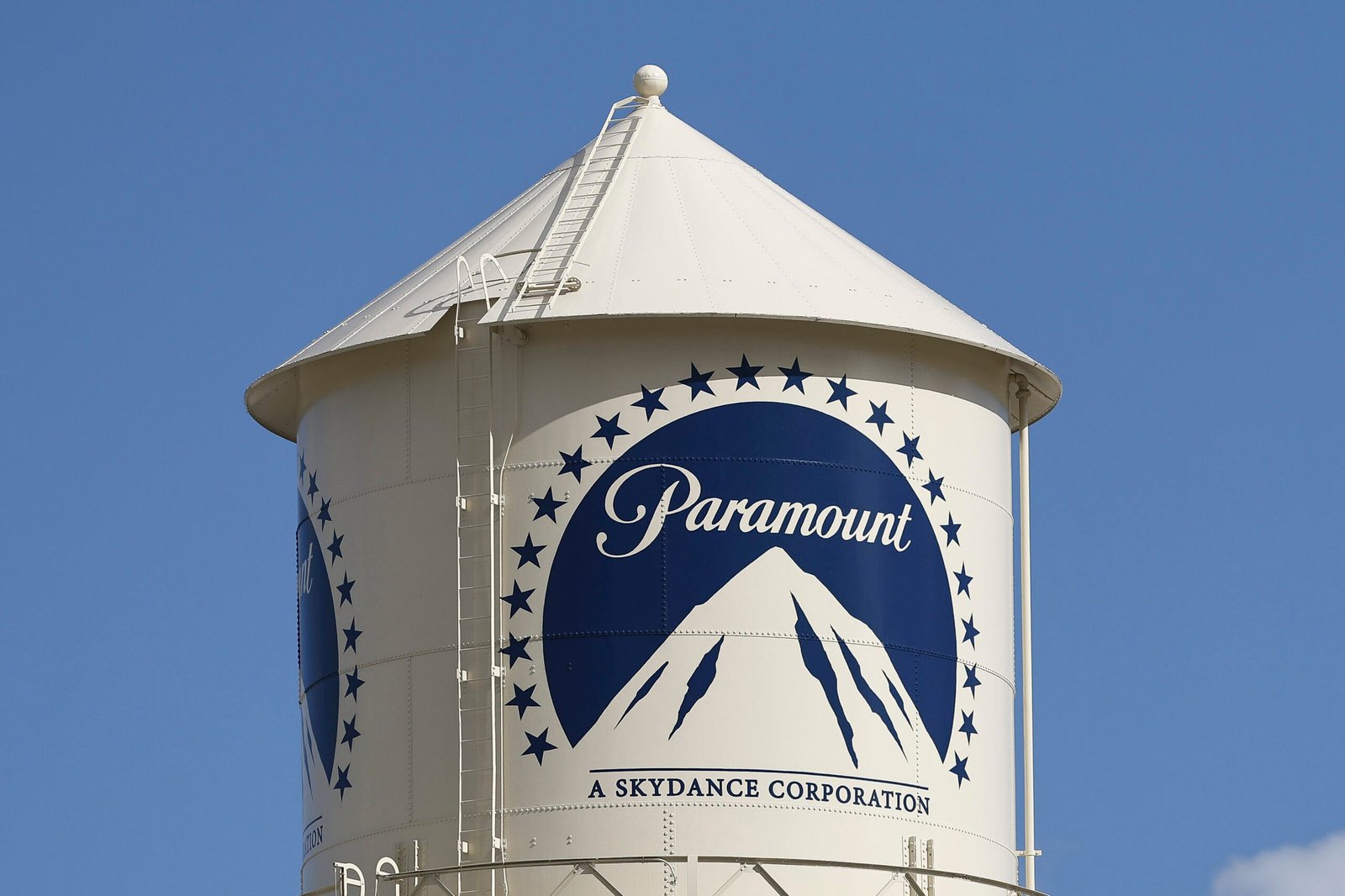
Paramount and Warner Bros. Discovery will join forces for one of the largest mergers in the history of entertainment. The merged firm will bear the name Skydance after Paramount Skydance acquired Warner Bros.
Discovery in a $110 billion (including debt) deal.
The transaction is scheduled to close on October 6, 2026.
The deal combines some of the biggest film, TV, news and streaming businesses. Paramount owns both Hollywood film company Paramount Pictures and premium service CBS and its streaming outlet CBS All Access (rebranded Paramount+). Warner Bros. Discovery owns Hollywood film studio Warner Bros., the TIME Warner-owned HBO and CNN news network, and HBO Max.
Why Did the Merger Raise Antitrust Questions?
Where Is Competition Law Applied? Competition law typically looks at whether a merger might result in a significant lessening of competition, and the consequences are an increase in market concentration or harm to consumers and other market participants. Unites States has Section 7 of Clayton Act as the prominent merger law.
It also drew specific scrutiny because Paramount and Warner Bros. Are large players in entertainment production and distribution, television programming and streaming. A group of 12 U.S. states, headed by California, took legal action to try and prevent the deal, stating the merger may stifle competition in the industry.
Among the domains the states sought to address were theatrical film distribution, cable programming, and potential impacts on consumers and industry workers. The states contended that the merger of two big entertainment companies could lessen the number of prominent competitors in some markets.
What Was the Federal Government’s Stand?
Anti-trust process The anti-trust process highlighted the role that different government agencies can have in reviewing proposed mergers. Having investigated the transaction, the U.S. Department of Justice subsequently closed its investigation because it felt that the merger would not lessen competition or harm U.S. consumers.
By not taking a position, the Justice Department did not stop each state from filing its own challenge. This 12-state lawsuit thereby became another legal barrier to the deal. This example shows the way that state attorneys general can work with federal authorities to help enforce the US antitrust laws.
Finally, the contention shifted from a court order that would wholly prevent the merger, to a settlement. The settlement between the federal government and the Paramount group was approved by a federal judge, and the acquisition was permitted to go ahead, says the University of Kansas.
What Conditions Were Imposed?
The resolution includes various provisions related to the future operation of the combined entity. Paramount promised to publish at least 30 movies a year in United States cinemas for five years and to raise its domestic film production spending by $300 million a year.
Related commitments are also stipulated in the settlement on cable negotiations and the operation of CBS News and CNN. The settlement structure for the two news organisations also addresses the establishment of an editorial independence board. The deal also sets out measures to be taken if guarantees are broken, including the potential mandated sale of Miramax in order to meet the film release condition.
Such conditions are typical of the behavioural and structural safeguards used in merger settlements. Instead of blocking the transaction outright, regulators and plaintiffs can craft commitments to rectify specific competition issues.
What Does the Merger Mean for Competition?
Even after a court has approved the settlement, the fight over competition law isn’t over. The merged company will have a broader range of important entertainment properties than either company had on its own.
The companies compete in a number of related and overlapping markets. It may be worth considering them separately for each of the different aspects of competition between them: production of films, distribution of movies in the UK, channels to TV and through cable, and on-line streaming sites.
The state attorneys general made the case that the deal would create too much concentration in both film distribution and cable programming. Paramount and others countered that they didn’t believe the deal would be so concentrated and that the merger would still compete with other entertainment giants. These conflicting positions reveal why putting together a deal is about market definition as much as the power of the players.
Why Is the Skydance Deal Legally Significant?
The Paramount-Warner Bros. Deal is a significant example of how contemporary competition law influences major media mergers. It demonstrates that a single deal can have implications across several markets simultaneously, and therefore, regulatory authorities and courts should take into account various interests of consumers, competition, distributors, content and content workers.
But the case demonstrates that antitrust enforcement can have a different outcome from federal regulators versus state authorities. The group of 12 states challenging the agency went forward with a separate legal case despite the earlier decision to wrap up the DOJ review.
As the court-approved settlement allows the merger to go ahead, the powers-that-be have now aligned behind the two-film studios – Paramount and Warner Bros. Discovery – to become part of the new Skydance entity. The deal will thus offer a tangible in-the-wild test case of the operation of merger control, antitrust proceedings and negotiated regulatory post-conditions c