The second season of India’s Got Latent hit YouTube and Netflix in February this year, and just like in season one, millions of clicks flooded in from viewers anticipating the same untamed and unadulterated, digital rock-star persona that made Samay Raina YouTube-famous.
What came instead?
Filtered to death.
The audience screamed into the void.
They called out the lost bite. Careful pace. And the sanitised Jokes.
Then Ashish Chanchlani entered the fray, serving out what he dubbed a ‘reality check’ on Instagram, reminds folks they spent last year going through what can only be described as an entire year of being in the “trenches”. They had spent the entire last year engaged in an “epic battle” (also Chanchlani words) against a large corporation, which then asked the “authorities for protection.” They said “We promise we will behave” and then they decided the choice was between not having a show, or a tamed, scrubbed, palatable and acceptable to everybody programme.
For this story, one would have to be back in February last year. It would involve a moment when online creator, Ranveer Allahbadia sat on the judges’ panel of India’s Got Latent during one of his episodes and a crude remark made about fathers and sex hit screen. That joke on a live stand-up stage probably would have garnered a few uncomfortable coughs and disappeared in seconds.
Here, however, it did not.
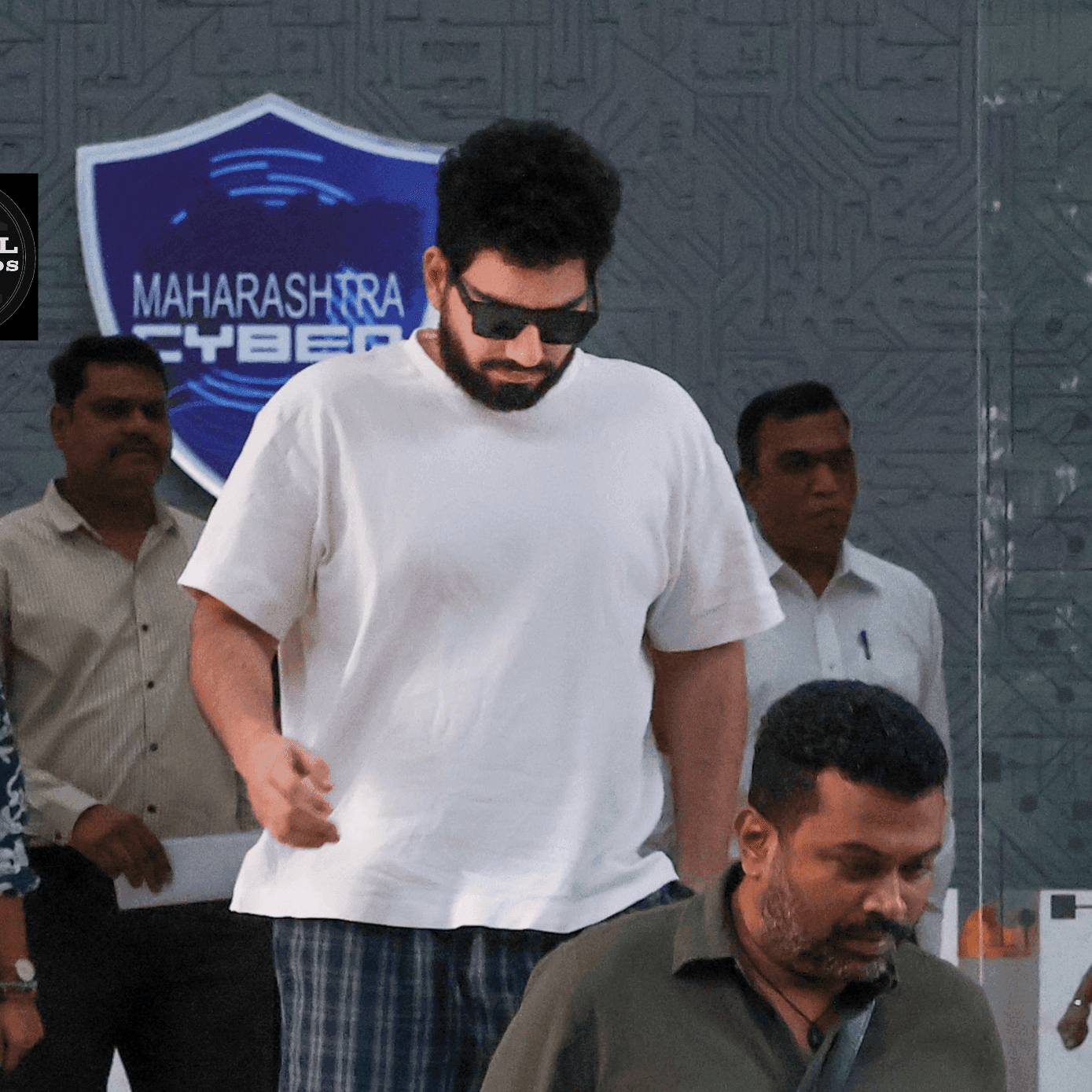
Instead, it triggered an avalanche across social media networks. There were public “cries for arrest”, demands by “Women’s Commissions”, and FIR’s logged at numerous police stations across the country by officers of different police forces; all this at Ranveer and India’s Got Latent creators like Samay and guest judges like Apoorva Mukhija. The mounting pressure to clamp down led to Samay deleting everything associated with the show off his YouTube channels, effectively locking it up in a dark room and walking away, till March this year, for an entire year and more.
Supreme Court Says No
It all went to the highest court of the land, and even they had had enough. The Supreme Court bench in February this year had their sights set on the joke transcript and railed against it as “an abuse of the social space and that, it was likely to cause shame to the families of the spectators, the viewers and society.” The judges had, so to speak, gone berserk, questioning: “if the said remark does not amount to obscenity, what would be its definition.” The Court had, for example, extended to Ranveer ‘interim’ protection from arrest while imposing a draconian condition of passport seizure to prevent him from absconding and imposed on him an unprecedented ban on posting anything on any platform, be it Youtube or others.
This gag-order, an extraordinary rarity in Indian jurisprudence (it amounts to a direct and pre-emptive restriction on speech – a tool courts usually shy away from applying except when the national interest is at stake), was applied by an “appalled” apex court to a bunch of digital influencers over a “disaster” and “unfortunate” joke on a show which they then acknowledged had “undisputed appeal”. The court previously (2022) had observed that gag-orders on a journalist’s social media “violate freedom of speech” and “chilling effect on expression”. However the level of obscenity in the Latent episode was evidently deemed by the bench as “more than significant to merit such a ban.” It starkly illustrated how a complaint about the government overstepping boundaries and restricting free speech actually played in the hands of an overzealous regime to dictate morality over digital space.
The Lure of Article 19(2)
Every content creator in India is aware that they enjoy the right to Freedom of Speech and Expression under Article 19(1)(a) of the Constitution of India, But lurking beneath, Article 19(2) serves as a catch to trip you, by allowing “reasonable restrictions on the exercise of any of the right to freedom of speech and expression in the interests of the sovereignty and integrity of India, the security of the State, friendly relations with Foreign States, public order, decency or morality or in relation to contempt of court, defamation or incitement to an offence.” The word ‘morality’, in particular, has proved the bane of all stand-up comics.
The Indian Constitution as well as statutes like the Bhartiya Nyaya Sanhita and Information Technology Act do not lay down a clear legal definition of what constitutes obscenity. Instead, the law draws from a colonial-era legal concept known as ‘community standards’ and expects the courts to ascertain whether the particular material is capable of ‘depraving or corrupting’ people and to levy a crime with penalties and fines of up to two to five years in prison and a fine up to Rs 10 lakh to Rs 50 lakh, respectively for “lasing (sic) and prurient content”. While this may work well for visual content and written material, the essence of much of roast humour is in subverting norms and ‘decent’ societal discourse by using deliberately transgressively crude language that is often a reflection of societal hypocrisies. Thus, if this humor is caught out of its specific setting (a comedy club) and caught by a conservative politician through a WhatsApp forwards forwards and forwards, and shared with everyone in the country and judged purely out of context then article 19(2) kicks in at a speed unimaginable.
Self Censorship is King Now.
This unprecedented move of banning the whole series and penalizing individuals for such an incident would undoubtedly change the way content is created across Mumbai and Bengaluru forever. Indian production houses are petrified about the arbitrariness of the current obscene laws since building a whole production house can come down as quickly and abruptly in the blink of an eye due to some silly clip landing in some politician’s whatsapp forwarded to everyone. With no creator willing to push the limits of article 19(2), they’re not taking risks anymore and instead stick to safe bland jokes, that are in no way comparable to the content we’d been exposed to on Indian YouTube in 2019, just two months before the show, on account of their afraid of becoming another target and thus resorting to producing bland and boring, unoffensive, politically safe content, at a price, just to survive and save themselves from prison. The audience hates it now, but today, being politically incorrect isn’t even an option anymore.