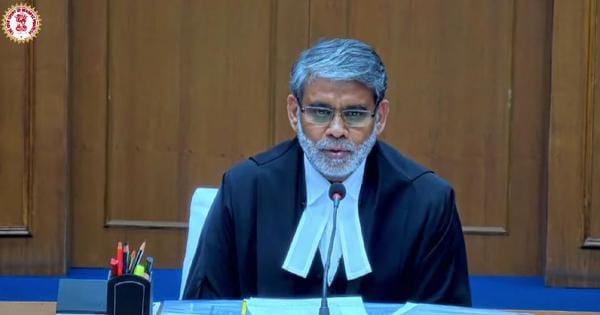
A Supreme Court Hearing
There was a rather blunt interchange in the Supreme Court during the hearing of a criminal case recently. Justice BV Nagarathna called into question the life choices of an 18-year-old widow. The woman had opted to live in with a man she met after her husband’s death. This particular decision was the focal point of this court case. The court was keen to know the real nature of this unusual relationship
A two-member bench was hearing the accused man’s plea in this complex case. He was seeking a stay on his arrest and withdrawal of charges from the apex court. The young widow had earlier registered a complaint with the police about rape on the promise of marriage. Courts often examine the duration of these relationships to ascertain whether the consent was obtained at the very beginning.
The case stemmed from the young woman’s husband’s untimely death after their wedding. She later married the accused and they began cohabiting. Their relationship quickly grew sour, resulting in a sour legal dispute. The man was being charged under various sections of the penal code. He was seeking intervention from the higher courts to avoid a trial.
Examining The Live-In Relationship
In the course of the arguments, Justice Nagarathna vocally expressed her surprise over the young widow’s initial choice to live in. The judge asked why a 18-year old widow would choose to live with a man. The women had been married before and should have known what she was getting into. The court tried to determine whether the woman wasforced or went willingly
Need Help With Your PhD or LLM Thesis?
Explore our thesis and dissertation writing support services for PhD and LLM students. Get subject-specific academic assistance for your research project.
Explore Our Services →https://indianexpress.com/article/legal-news/supreme-court-sexual-assault-b-v-nagarathna-10659546
It scrutinised the length of time and the domestic aspect of the live-in relationship. If two adults choose to live together in a household, then the law may consider the sexual relationship consensual. The judges asked the lawyers to explain how long they had been living together before the complaint was filed. They also asked if the woman had ever raised any suspicions in those months.
The cases of a promise of marriage can be difficult to comprehend and rule on. The key element that the prosecution must establish is that the man had no intention to marry her in the first place. If he did intend to marry her, but later decided not to, it is not viewed as rape. The present judges considered these legal principles in examining this bitter case.
Arguments From Both Sides
The defense lawyer of the man accused strongly denied that the relationship was anything but consensual. He explained that his client’s girlfriend voluntarily left her family to stay with his client. The lawyer noted that the couple lived together harmoniously for quite some time before the fights began. The lawyer claimed his client never coerced the young widow to have sex.
The state’s lawyer and the young woman’s lawyer told the court a completely different story. They claimed the 18-year-old was highly susceptible after the untimely and unexpected death of her husband. The prosecution argued the accused preyed on her vulnerability by giving her a false sense of security. They claimed the woman wouldn’t have otherwise consented.
The judges listened with interest but were highly critical of the prosecution’s emphasis on the emotional frailty argument. Justice Nagarathna noted the woman would have experienced significant life events by the time she became a widow at the age of 18. Whether her prior marriage provided sufficient life experience for her to make decisions was also discussed. They considered whether the woman was free to make her own decisions, or whether she was being manipulated by the accused man.
The Supreme Court has said the standard of proof in these particular cases is very high. The woman needs to convince the court the man had an intention to defraud her at the time of the wedding. Simply failing to marry due to family or personal incompatibilities is not a crime. The courts are now placing a lot of weight on electronic communications to determine the true intentions.
Procedural Next Steps
The court didn’t make any final decision after sending the lawyers these pointed questions. They asked the lawyers to provide them with additional documentation about the precise dates and facts of the case. They wanted to see the wording of the young widow’s statements to the local magistrate at the time of the investigation. They will compare her original statements to the arguments put forth in the courtroom by her lawyer.
The accused will wait until the next date of hearing to learn his future. The court may decide to allow him regular bail until the trial in lower courts goes on for months. Or, they may decide to cancel the first information report if they find no evidence against him. The court will take its decision based on the documentary evidence presented by both parties in the next few weeks.