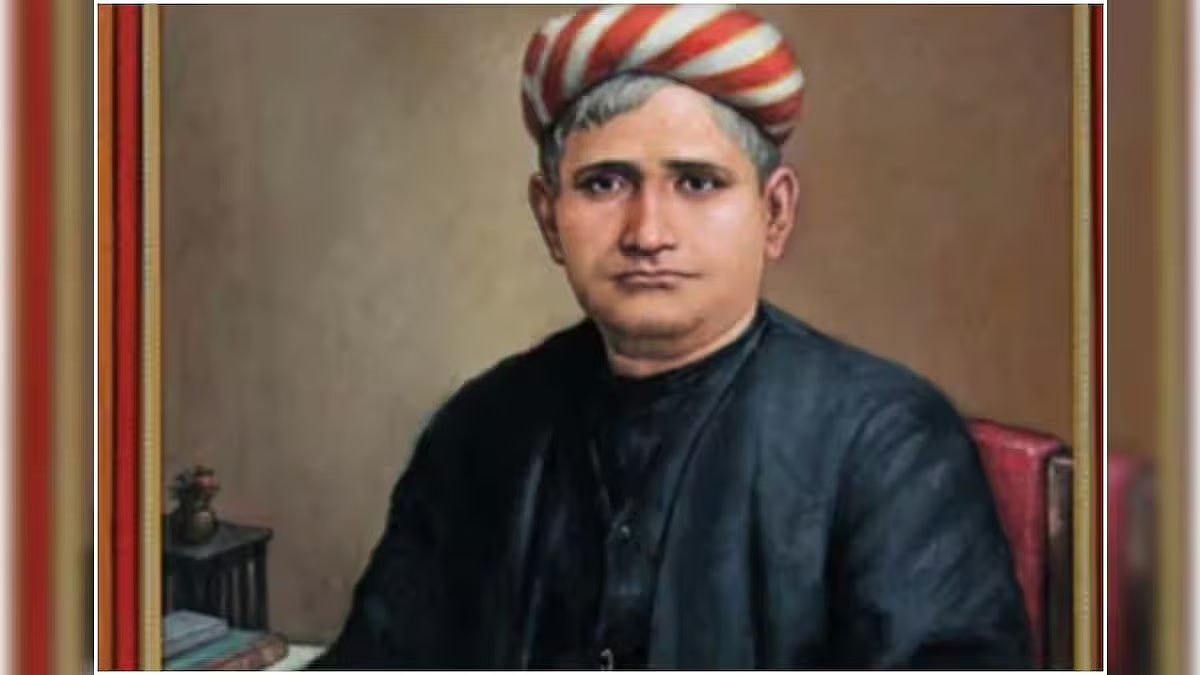
Bankim Chandra Chattopadhyaya ( 1838-1894 ) By Justice Katju
Bankim Chandra is acclaimed as a great Bengali novelist. The fact, however, is that a great writer can also become…
Keeping Pace with Legal Change
Bankim Chandra is acclaimed as a great Bengali novelist. The fact, however, is that a great writer can also become…
On 16 June 2025, SEBI proposed new rules requiring Special Purpose Distinct Entities to disclose key details about securitized debt instruments (SDIs) twice a year. These disclosures—covering maturity, credit quality, loan ratios, and material events—must be submitted to SEBI and relevant stock exchanges, aiming to enhance transparency and help investors make informed decisions about SDIs.
The Supreme Court’s amendment in 2025 establishes standard court and registry hours of 10 A.M. – 5 P.M. on weekdays, adds Saturday sessions from 10 A.M. – 1 P.M., and grants Chief Justice the authority to modify court hours for partial working days and holidays, beginning July 14.
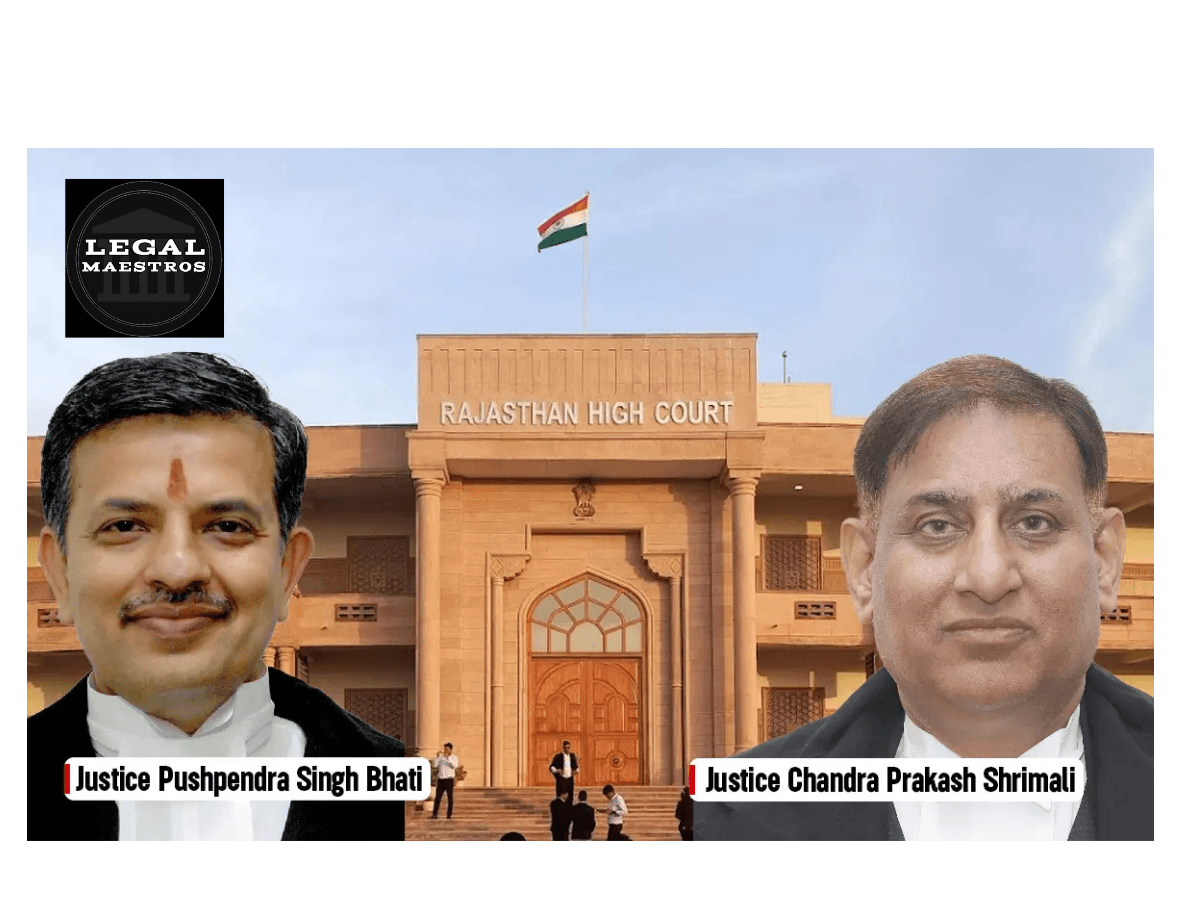
A significant decision was made by the Rajasthan High Court, which confirmed that retired doctors from the All India Institute of Medical Sciences (AIIMS) are considered to be “re-employed persons.” This decision mandated the implementation of the statutory “pay-minus-pension” formula for future compensation, while also prohibiting retrospective deductions prior to the date of judgment, which was May 15, 2025.
In a historic judgment on 23rd May 2025, the Supreme Court of India ruled that maternity leave is a constitutional right and cannot be denied based on the number of children. The Court emphasized that such leave is integral to women’s reproductive rights, overriding state-imposed limits and aligning with both national and international legal standards.
The Supreme Court through suo motu writ petition ordered all the High Courts and State Governments to make proper procedure to release any unclaimed amounts of compensation under the Motor Vehicles Act and also under Workmans Compensation Act Act to protect the rights of the beneficiaries and accountability.
To this extent the Supreme Court observed that a plaintiff relying on Order IX Rule 4 CPC is entitled to file a fresh suit after a restoration plea is dismissed, and such dismissal does not create res judicata. This ruling affirms problems with procedural rights in civil lawsuits.
The Telangana High Court has suspended Gali Janardhana Reddy’s conviction and seven-year sentence in the coal and iron‑ore allocation scam, granting him bail. Justice Lakshman ordered his release on a ₹10 lakh bond with conditions, citing risks of possible irreversible legislative disqualification.
In Aejaz Ahmad Sheikh v., the Supreme Court held that, The case State of Uttar Pradesh was a case on the basis of which it was held that failure of putting the vital prosecution evidence to the accused u/s 313 CrPC resulted in prejudice and trial invalidated, and as a result, the acquittal was upheld on the basis of serious allegations like multiple murders.
The apex court explained the principles of law as laid down under Order I Rule 10(2) CPC that a bona fide purchaser is a proper party in an action of specific performance admittedly in impleadment. This verdict supports the discretionary power of the judiciary in the weighting of procedural fairness.