
CRIMINAL LAW

Bharatiya Nagarik Suraksha Sanhita, 2023: Detailed Explanation of Section 196 and Related Provisions

The Bharatiya Nagarik Suraksha Sanhita, 2023 (BNSS), which replaces the Criminal Procedure Code of 1973, introduces Section 196, which outlines how police should examine witnesses during investigations. This section requires that statements be recorded under oath to ensure their accuracy and legal validity, aligning with the BNSS’s emphasis on strong evidence collection. Additionally, related provisions such as Section 194 (which deals with the initiation of investigations) and Section 195 (which covers the summoning of individuals) create a comprehensive framework for building cases effectively. Section 196 highlights the importance of witness cooperation and procedural transparency, adapting to the needs of modern policing while maintaining fairness. This demonstrates India’s dedication to reforming its criminal justice system.
CRIMINAL LAW

Bharatiya Nagarik Suraksha Sanhita, 2023: A Comprehensive Overview of Section 195 and Related Provisions

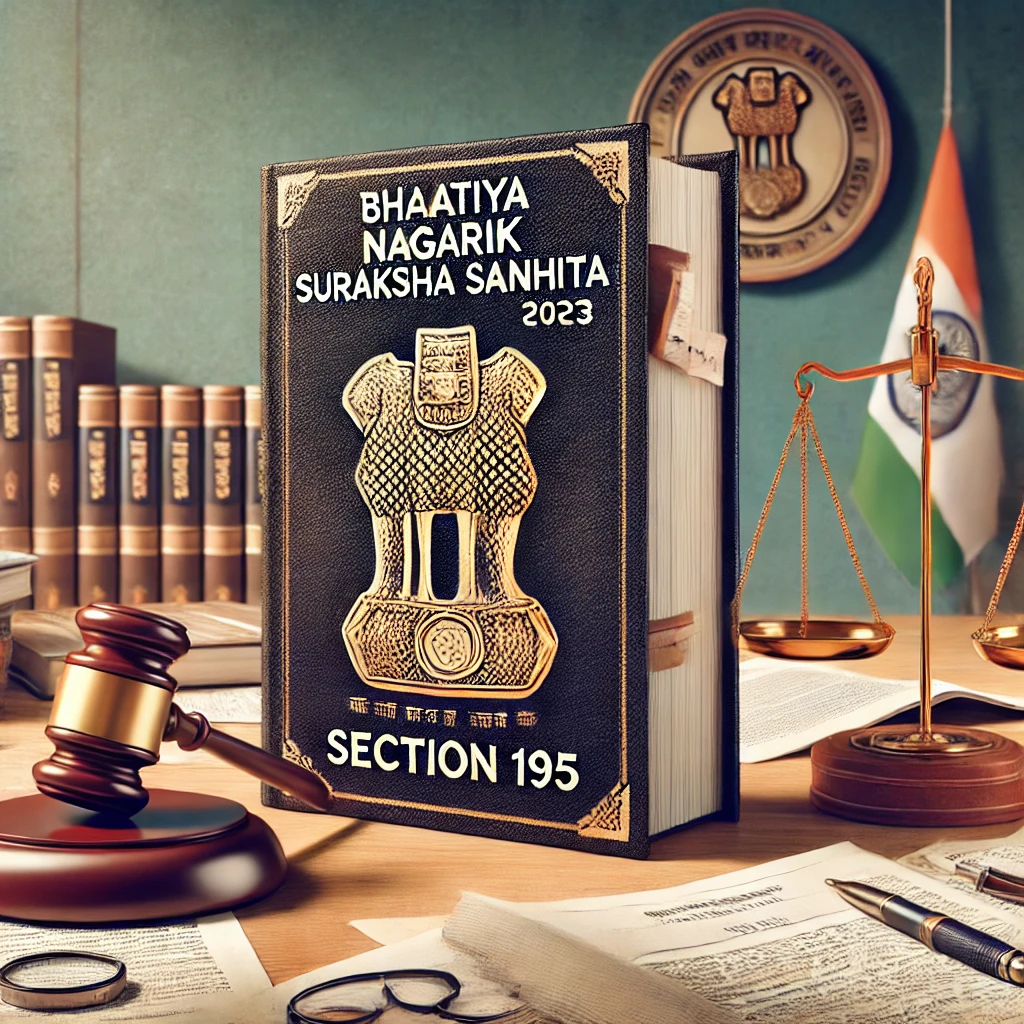
The Bharatiya Nagarik Suraksha Sanhita, 2023 (BNSS), which replaces the Criminal Procedure Code of 1973, introduces Section 195. This section gives police officers the authority to summon individuals who have knowledge of the case during investigations as outlined in Section 194. This change aims to improve the efficiency of investigations by requiring those summoned to comply, which aligns with the BNSS’s goal of modernizing criminal procedures. Additionally, related sections like 194 (investigation powers) and 196 (examination of witnesses) provide greater clarity in the process, focusing on the quick collection of evidence and the cooperation of witnesses. These revisions reflect the ongoing evolution of India’s justice system, emphasizing the importance of streamlined processes and accountability.

CRIMINAL LAW

Analyzing the Scope and Limitations of Court Powers to Summon Witnesses in Indian Criminal Trials

This power of Indian courts to summon witnesses under Section 311 of the CrPC is pivotal to ensure justice in criminal trials. The article discusses the ambit of this authority exercised by Courts and also the fundamental limitations inherent in it. A discussion about judicial discretion, the balance required between justice and procedural efficiency, and the interaction with the mechanism for protecting witnesses is also present. Emphasis has also been laid that proper use is aptly made so as not to misuse and bring about delays or harass the party concerned. The analysis reflects the question of this power in achieving a fair trial while safeguarding rights to all parties concerned.