Current Legal Update

Aamir Khan’s Sitaare Zameen Par to Courtrooms: Constitutional Analysis of Key Disability Rights Rulings in India

The journey that India has taken in terms of disability rights has been extraordinary, beginning with the compassionate depiction of dyslexia in Taare Zameen Par and ending with the harsh directions of the Supreme Court. A sturdy framework has been established as a result of constitutional provisions of equality and dignity, which have been strengthened by the Rights of Persons with Disabilities Act of 2016, as well as a number of progressive rulings. The desire of the judiciary to bring about genuine change is demonstrated by landmark cases such as Rajive Raturi, Vikash Kumar, and Chief Commissioner for Persons with Disabilities. As India continues to make progress, the combination of law, policy, and public will will continue to be essential in order to guarantee that every individual with a disability is able to participate in society in an equal and complete manner.

Constitutional lawCurrent Legal Update

Constitutional Conundrum: Analyzing the Delay in Disqualifying Rajasthan MLA Kanwarlal Meena Post-Supreme Court Ruling

The actions taken by the Assembly Speaker and other authorities, as well as the actions that they do not take, will be closely followed as the time for Meena’s surrender gets closer. All of these actions will be thoroughly monitored. The democratic institutions of India will be evaluated based on the results of these elections when they are held. This evaluation will take into account the strength of these institutions as well as their capacity to act independently of partisan interests.

Current Legal Update

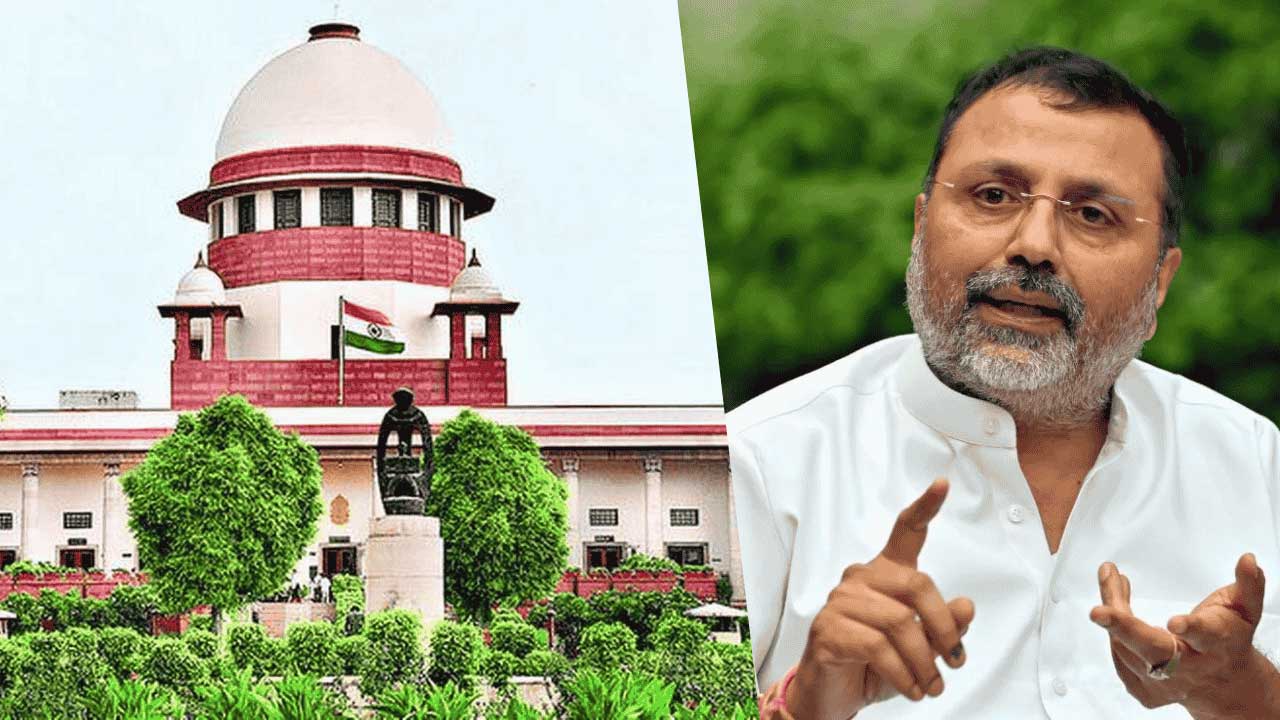
Criminal Contempt and the Judiciary: BJP MP Nishikant Dubey’s Remarks Spark Debate on Limits of Free Speech and Judicial Dignity

The controversy surrounding Nishikant Dubey’s remarks serves as a reminder of the ongoing tension between upholding judicial dignity and safeguarding free speech. As India continues to evolve as a democratic nation, it is imperative to strike a balance that respects both the authority of the judiciary and the fundamental right to freedom of expression. Engaging in open dialogues and revisiting existing laws can pave the way for a more transparent and accountable legal system.

Current Legal Update

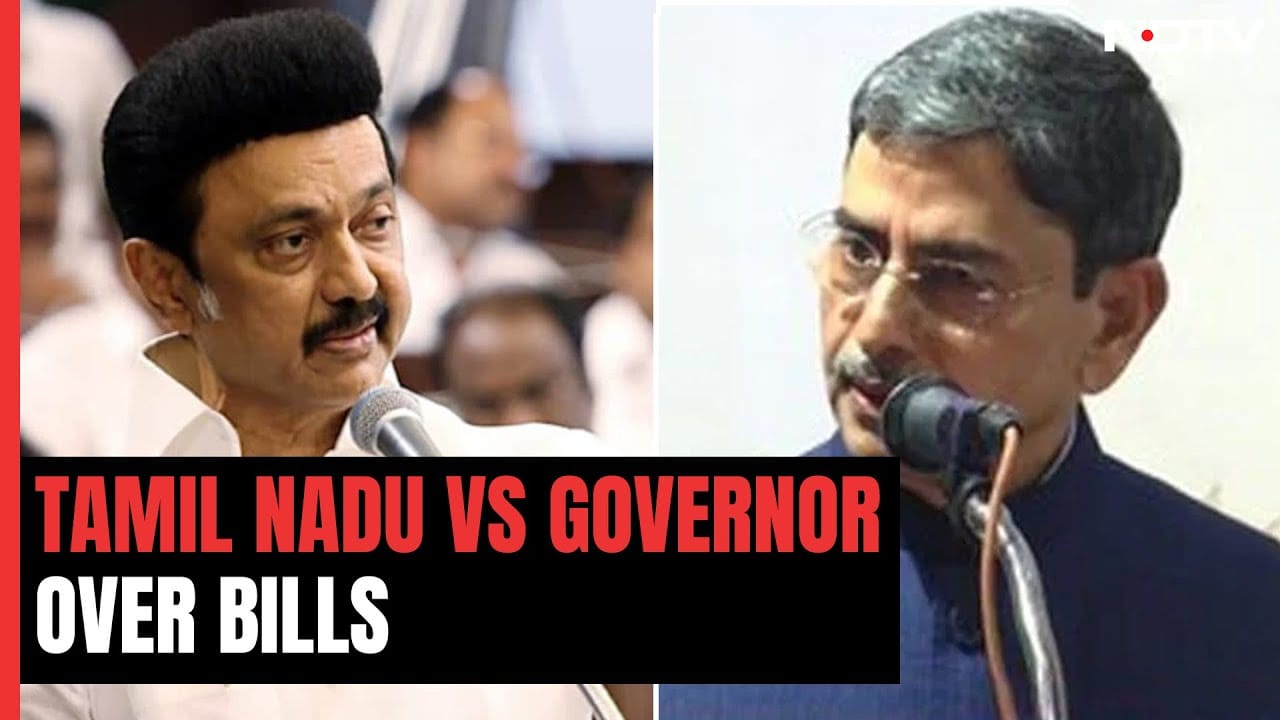
Supreme Court Limits Governor’s Powers: A Victory for Tamil Nadu’s Chief Minister

The Supreme Court’s verdict on the authority of the Tamil Nadu governor concerning state legislation is a notable milestone in the development of India’s democratic process. It emphasizes the central role of the re-passage mechanism in validating the will of the people as articulated through their elected representatives. The case has brought to the fore the fine balance that has to be struck between the roles of constitutional officials and the legislature. For Chief Minister M.K. Stalin and the state government, it is not just a legal triumph but also a reaffirmation of democratic principles and the vital importance of establishing clear lines of command.

Current Legal Update

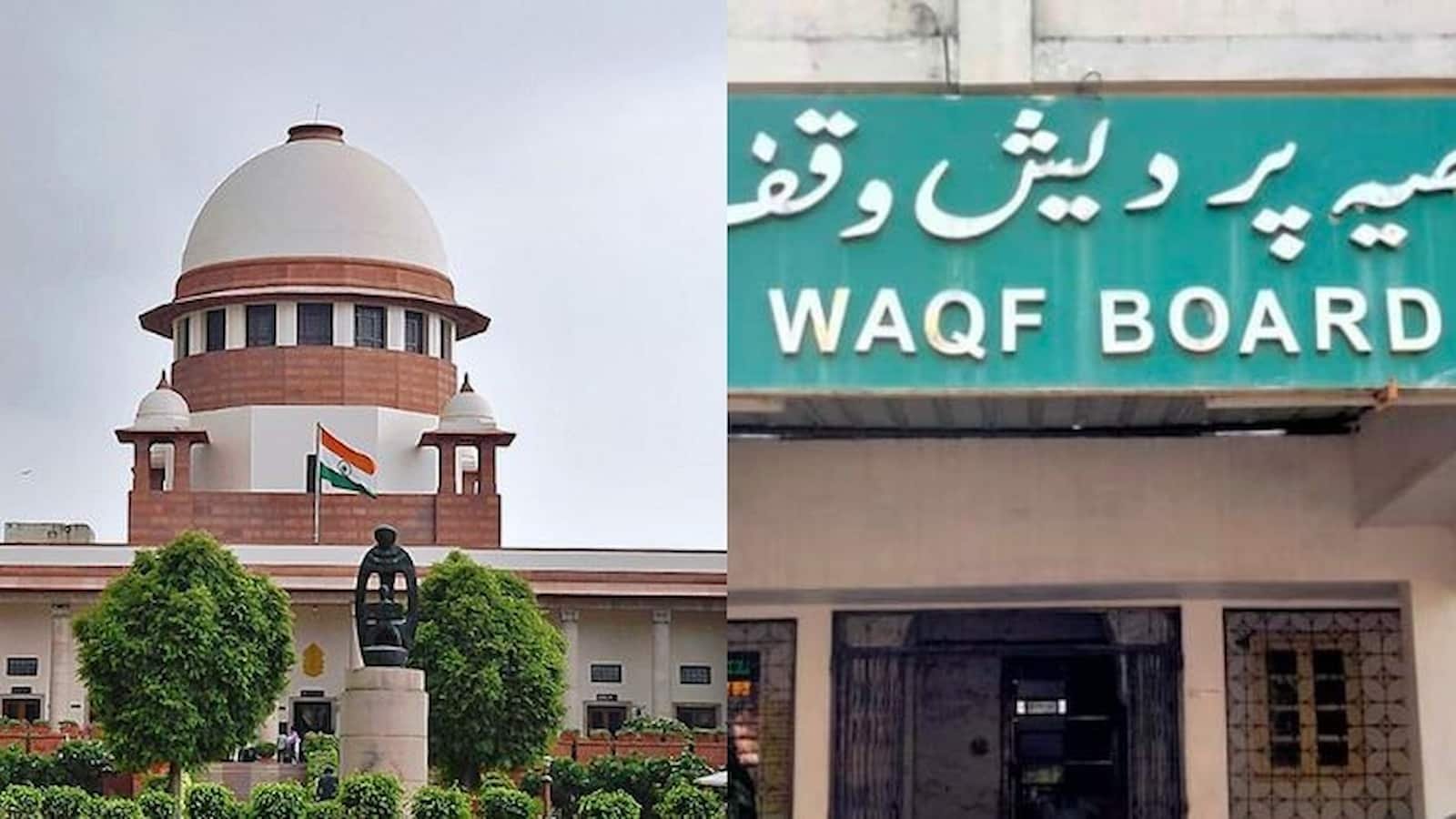
Supreme Court to Decide Fate of Waqf Amendment Provisions

The soon-to-be reviewed Waqf (Amendment) Act, 2025, by the Supreme Court is a turning point in India’s recent debate regarding religious autonomy, rights of minorities, and state oversight. The provisions in the Act, such as adding non-Muslim members to Waqf Boards and granting government officials authority in disputes regarding property, have sparked discussion surrounding the power balance between secular administration and religious self-governance. While the government promotes transparency and inclusivity, critics are concerned about possible violations of constitutional safeguards given to religious minorities.

Current Legal Update

Supreme Court to Decide Fate of Waqf Amendment Provisions

The Waqf (Amendment) Bill, 2024, has set off a multifaceted debate at the confluence of law, religion, and administration. While the government’s intention is to increase transparency and efficiency, the suggested modifications have caused widespread concern among Muslim organizations and legal professionals regarding autonomy and minority rights. While the Supreme Court weighs the provisions of the bill, its judgment will not just decide the destiny of waqf administration in India but will also establish a pivotal precedent in the state’s relationship with religious institutions.

Current Legal Update

Can the Supreme Court Strike Down the Waqf Amendment Act? A Constitutional Analysis of Religious and Property Rights

To summarize, the issue of whether the Supreme Court can invalidate the Waqf Amendment Act is a complicated constitutional issue relating to how to balance the interests of the state against safeguarding religious and property rights. The Act was intended to modernize the management of waqf properties by instituting more transparency and accountability but has created issues around state overstepping and intrusion into religious affairs. The Supreme Court, with its judicial review power, is responsible for ensuring that the legislature’s enactment of any law is consistent with the Constitution. This implies that if the Waqf Amendment Act violates constitutional protections of religious freedom and equal property rights, the Court has the jurisdiction to strike down those provisions.

Current Legal Update

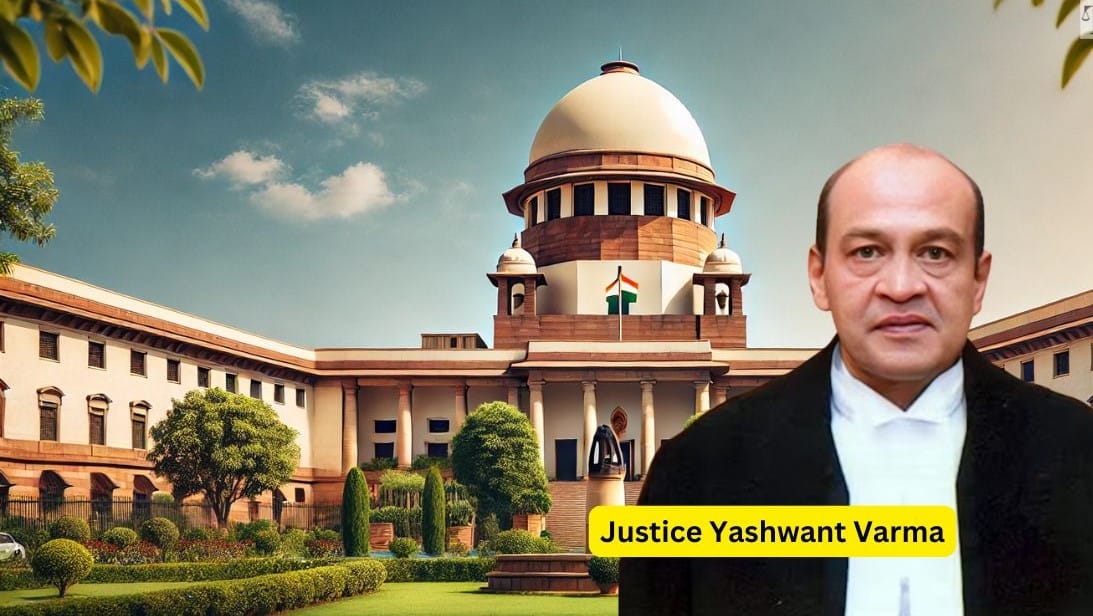
Yashwant Varma Case: How the In-House Inquiry Process Works Against Sitting High Court Judges in India

The Justice Yashwant Varma case has again raised questions about the in-house inquiry process and its shortcomings. Though the process is intended to preserve judicial integrity, questions regarding transparency and accountability still persist. The judiciary has to balance independence and accountability for misconduct by judges. Enhancing the system with improved guidelines and disclosure of inquiry findings to the public may assist in enhancing public faith in the justice system. The Justice Varma case is a reminder that the integrity of the judiciary is predicated on the ability of the judiciary to tackle allegations against members of the judiciary.

Current Legal Update

The Rise of Bulldozer Justice in India: Legal Analysis, Supreme Court Rulings, and Constitutional Concerns

Bulldozer justice has caught on in India because of its instant effect and powerful political statement. Its deployment, however, is problematic with serious legal and ethical implications in terms of due process and constitutional rights. Again and again, the Supreme Court has held that demolitions must not be applied as a mode of punishment and must adhere to proper legal formalities. While the call for rapid action against criminals is understandable, it should not be at the expense of core legal principles. Guaranteeing fair trials, bolstering the judiciary, and upholding the rule of law are important to avoid the abuse of power and ensure justice for all citizens.

Current Legal Update

Justice B.R. Gavai and Supreme Court Delegation Visit Manipur to Enhance Relief and Legal Assistance

The tour of Justice B.R. Gavai and the Supreme Court delegation to Manipur was an important move in tackling the humanitarian and legal issues that have resulted from the long-standing ethnic strife in the state.

By directly interfacing with displaced groups, opening up legal and medical relief programs, and easing access to vital services, the judiciary expressed renewed commitment towards justice and relief.

While the road to lasting peace remains complex, such interventions serve as a beacon of hope for the affected populations, reinforcing faith in legal institutions and the nation’s collective ability to restore normalcy.