Supreme Court

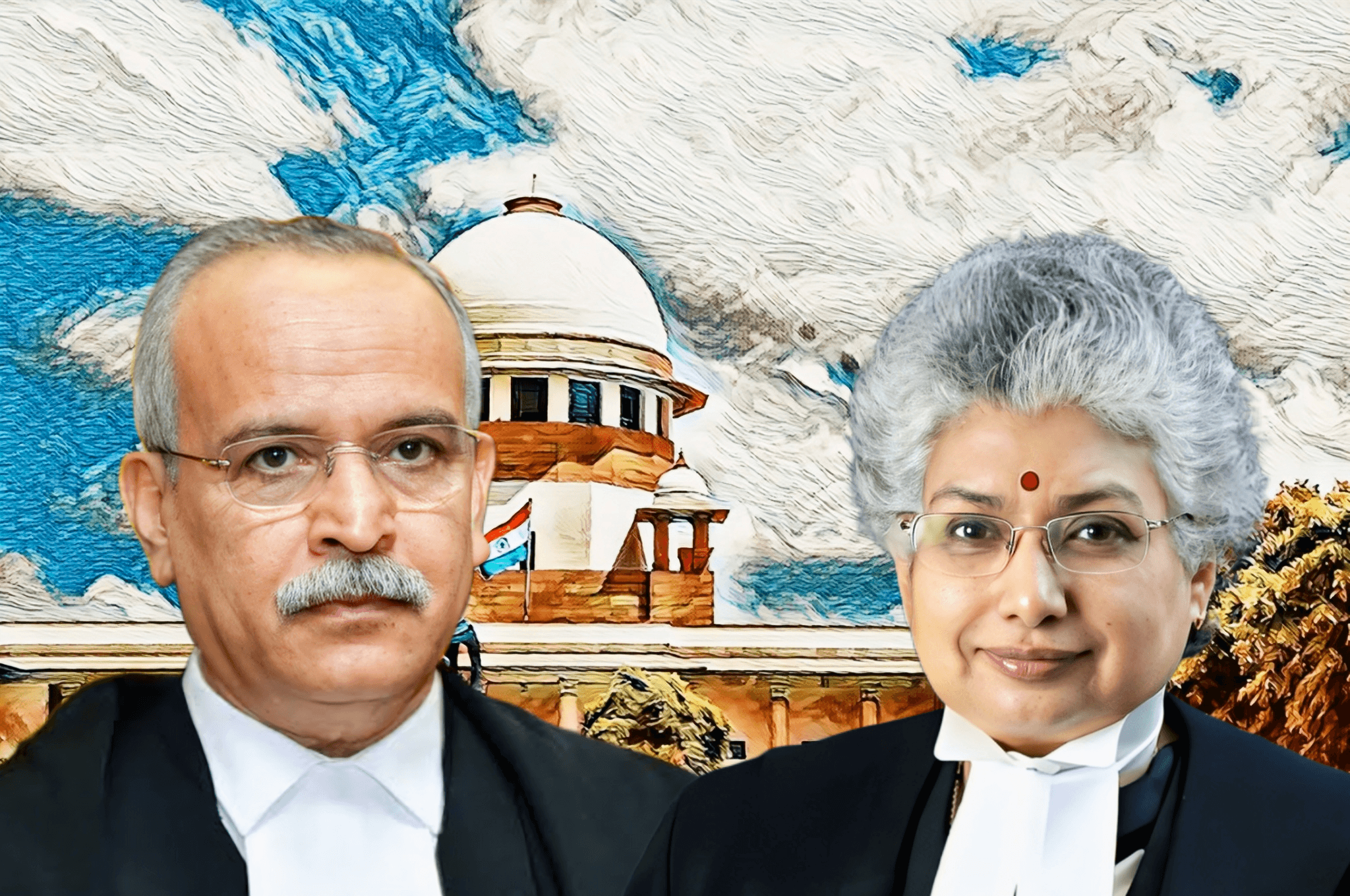
Assessment of Market Value Under Land Acquisition Act: A Judicial Correction by Justices Surya Kant and Ujjal Bhuyan

In Barla Ram Reddy v., the Supreme Court. Telangana State solved very crucial grievances that pertained to land evaluation under Land Acquisition Act, 1894. The case overturned the principles of compensation toward the realizable examples and the discardance of exorbitant valuation considering the sales following the notification auction.

Supreme Court

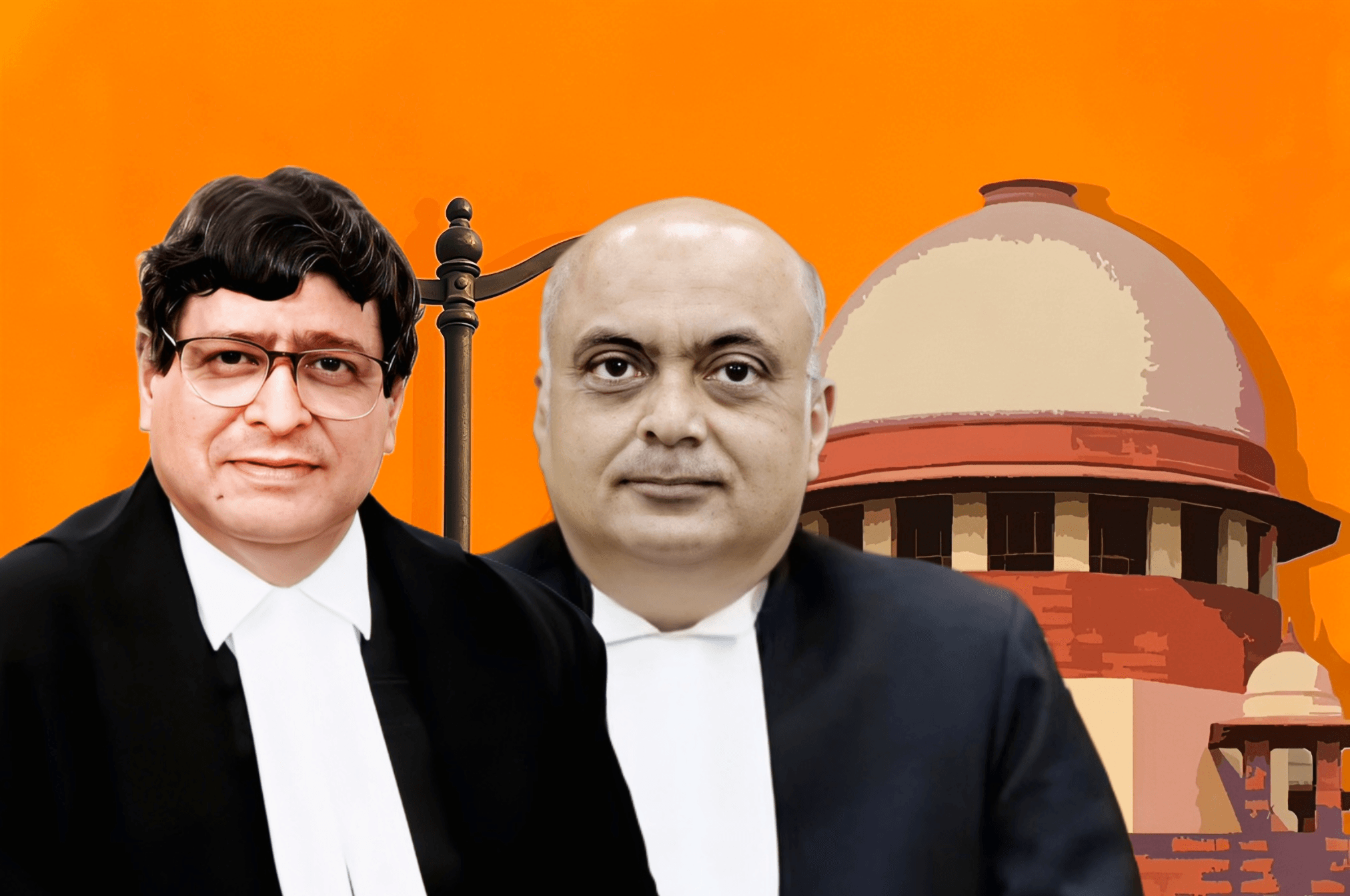
SC Sets Aside Patna HC Order; Reaffirms Limits of Section 482 CrPC in Quashing FIRs.

This case concerns a gold loan dispute in which the complainant, Abhishek Singh, claimed that the bank had committed fraud and misappropriation after he paid back his debts but failed to receive the gold he had pledged. Citing it as a counterblast, the High Court dismissed the FIR against bank officials. By assessing the evidence and making conclusions based on malice without a trial, the High Court exceeded its authority under Section 482 CrPC.

Supreme Court

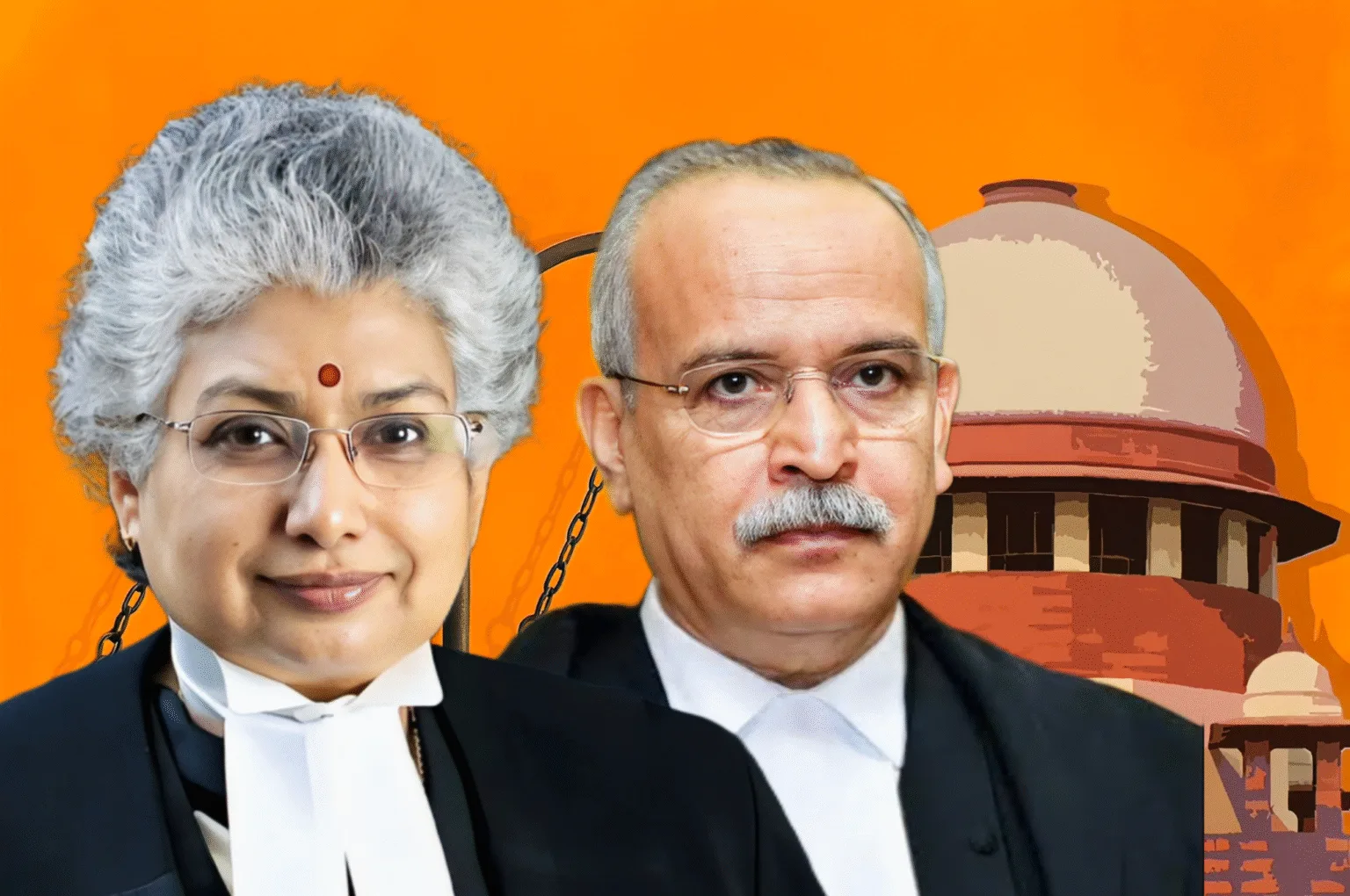
Justice B.V. Nagarathna in Sachin v. State of Maharashtra: No Harsher Sentence in Own Appeal

It was decided by the Supreme Court in the case Sachin v. State of Maharashtra that an accused person cannot be made worse off for appealing a conviction that they have already been found guilty of. Increasing the severity of punishment in such appeals is a violation of both procedural fairness and natural justice, particularly when the state does not oppose the decision.

Supreme Court

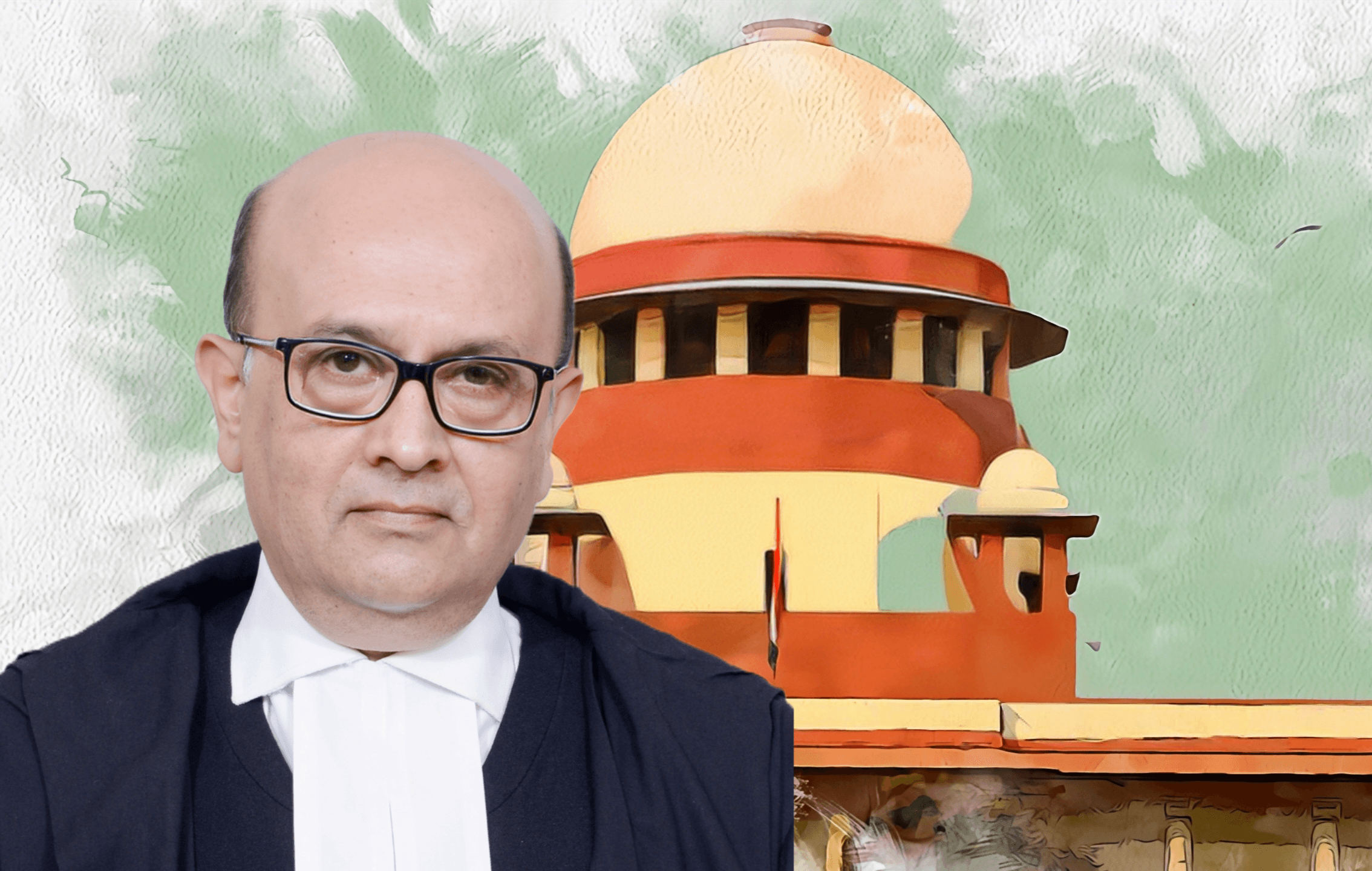
Justice Manoj Misra in Yediyurappa v. Alam Pasha: Exploring Sanction Under PC Act and CrPC

The Supreme Court of India, in the case of B.S. Yediyurappa v. A. Alam Pasha, thoroughly investigated the intricate relationship that exists between Sections 17A and 19 of the Prevention of Corruption Act and Section 156(3) of the Criminal Procedure Code. The Court investigated whether or not there is a need for previous punishment prior to conducting an inquiry into public personnel.

Supreme Court

Supreme Court Acquits Accused After 15 Years; States that It Is Upon Prosecution to Make A Case.

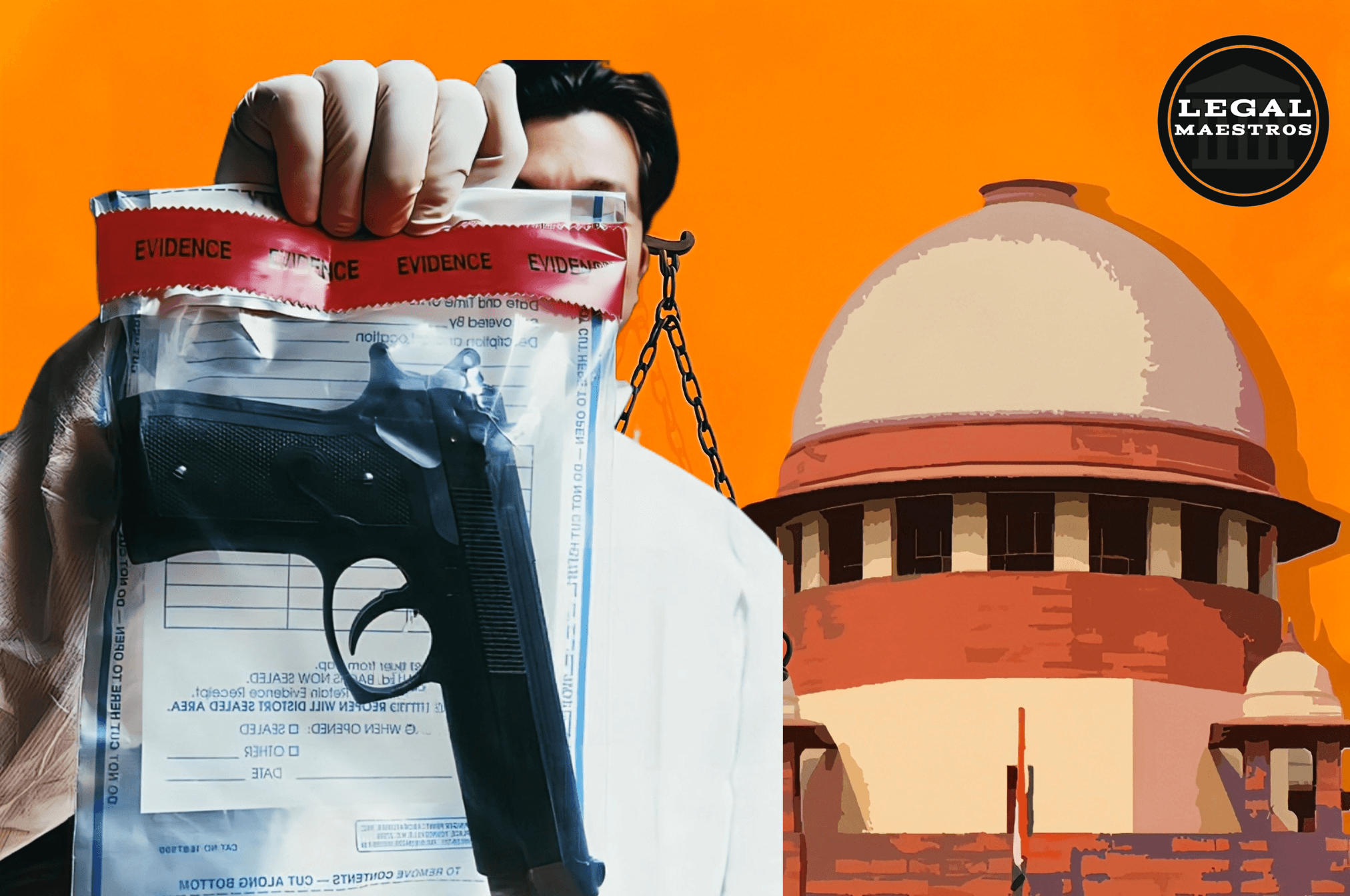
When Mangesh died from a gunshot via his friend Vaibhav’s father’s pistol, conflicting narratives emerged. While the High Court emphasized Vaibhav’s suspicious conduct post-incident, the Supreme Court acquitted him, citing lack of motive, inconclusive bullet trajectory analysis, and the prosecution’s failure to disprove suicide. The judgment highlights evidentiary thresholds in circumstantial cases and the accused’s right to silence when the state’s case remains unproven

Supreme Court

Supreme Court Clarifies Bail Norms in Ankit Mishra v. State of Madhya Pradesh – Justices P.Kumar Mishra and justice sanjay karol

In the case of Ankit Mishra v. State of Madhya Pradesh, the Supreme Court supported the decision of the High Court to give anticipatory bail to a man who had committed many offenses. With a focus on judicial discretion in accordance with Section 438 of the Criminal Procedure Code, the ruling investigates the legal criteria for granting or canceling bail.