Current Legal Update

Manipur Violence and Article 371C: Balancing State Autonomy with Central Intervention

Since May 2023, Manipur has been experiencing a sustained period of ethnic violence, which prompted the Union to apply extraordinary constitutional measures under Article 371C from the Constitution. In order to strike a balance between Manipur’s autonomy and the essential involvement from the federal government, this article examines how these laws strengthen central instructions via the function of the Governor.
Current Legal Update

Stalin v Modi : Tamil Nadu’s Legal Battle in Supreme Court for ₹2291 Crore Samagra Shiksha Funds Release

Tamil Nadu’s Chief Minister M.K. Stalin moved the Supreme Court seeking release of ₹2,291 crore under the Samagra Shiksha scheme, arguing statutory entitlement. The Centre cited procedural lapses for withholding funds. The Court ordered partial release and timelines for compliance, underlining the balance between federal cooperation and accountability.

Current Legal Update

Presidential References Under Article 143: Constitutional Implications in the Tamil Nadu Governor Deadline Dispute

The difference of opinion about the deadline for the governor of Tamil Nadu, as well as the subsequent presidential reference under Article 143, constitute a significant turning point in constitutional law. Specifically, it examines the equilibrium that exists between written requirements, such as the mandate for legislative sessions to take place every two years, and the norms that control the behavior of governors. Because of the advisory judgment issued by the Supreme Court, the concept of gubernatorial powers and the relationship between the center and the state will be shaped for many years to come. In conclusion, this case highlights the critical need of having clear constitutional mandates, maintaining steadfast respect for democratic procedures, and exercising discretionary power in a deliberate manner by constitutional officials.

Current Legal Update

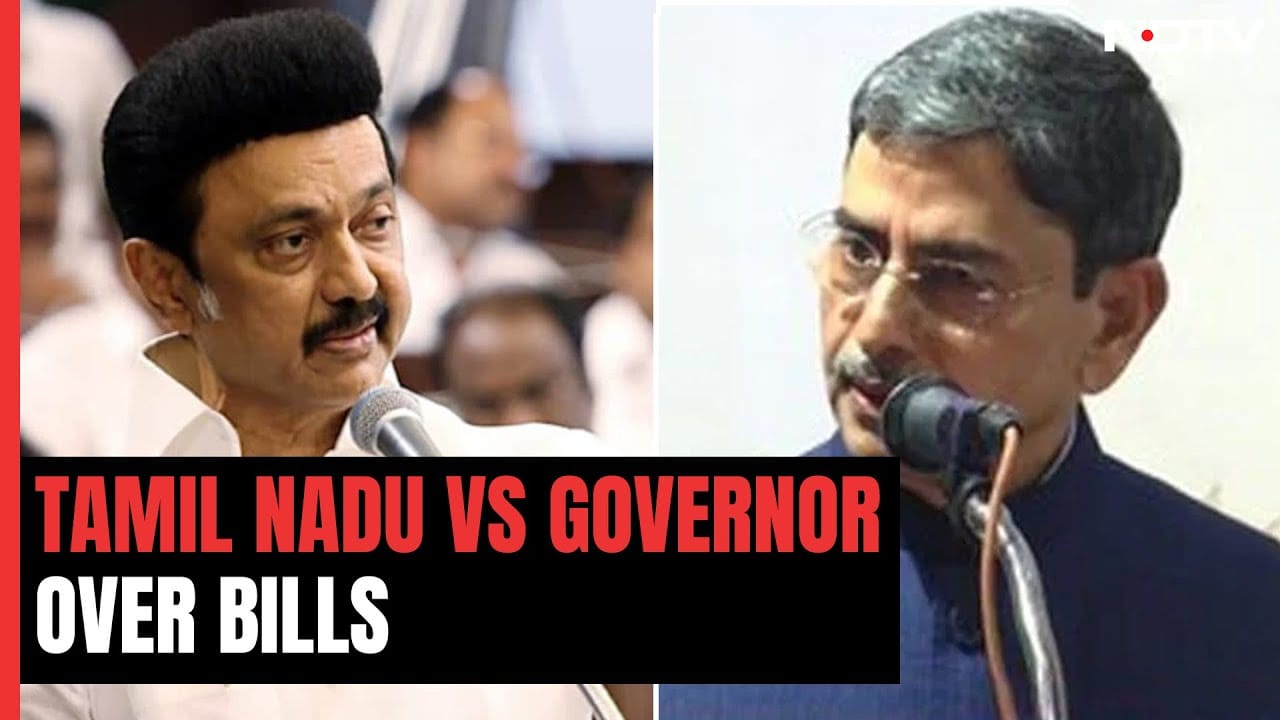
Supreme Court Limits Governor’s Powers: A Victory for Tamil Nadu’s Chief Minister

The Supreme Court’s verdict on the authority of the Tamil Nadu governor concerning state legislation is a notable milestone in the development of India’s democratic process. It emphasizes the central role of the re-passage mechanism in validating the will of the people as articulated through their elected representatives. The case has brought to the fore the fine balance that has to be struck between the roles of constitutional officials and the legislature. For Chief Minister M.K. Stalin and the state government, it is not just a legal triumph but also a reaffirmation of democratic principles and the vital importance of establishing clear lines of command.