BNSS

Sections 32-34, Bharatiya Nagarik Suraksha Sanhita, 2023: Non-Police Assistance in Warrants and Public, Village Duty to Report Offences

The sections 32 to 34 of the Bharatiya Nagarik Suraksha Sanhita, 2023 are broken down and explained in this page. Through the use of straightforward language and detailed examples, it offers a comprehensive comprehension of the obligations and responsibilities that residents and village police have in terms of assisting with the execution of warrants and reporting specific offenses.


BNSS

Sections 20 & 21, Bharatiya Nagarik Suraksha Sanhita, 2023: Framework for Criminal Prosecution and Court Jurisdiction in India

Simple language is used throughout this article to explain Sections 20 and 21 of the Bharatiya Nagarik Suraksha Sanhita, which was published in 2023. In addition to providing pictures to aid in comprehension, it discusses the structure and operation of the Directorate of Prosecution as well as the jurisdiction of the courts for various offenses.

BNSS

Sections 6, 7, and 8 of the Bharatiya Nagarik Suraksha Sanhita, 2023 – Establishing a Unified Framework for Criminal Courts: Court Classes, Sessions Divisions, and Operational Protocols

With a particular emphasis on Sections 6, 7, and 8, this article provides an explanation of the composition and organizational structure of criminal courts and offices that fall under the jurisdiction of the Bharatiya Nagarik Suraksha Sanhita, 2023. Using straightforward language, it provides information regarding the categorization, jurisdiction, appointments, and operational procedures of the judicial system.

CRIMINAL LAW

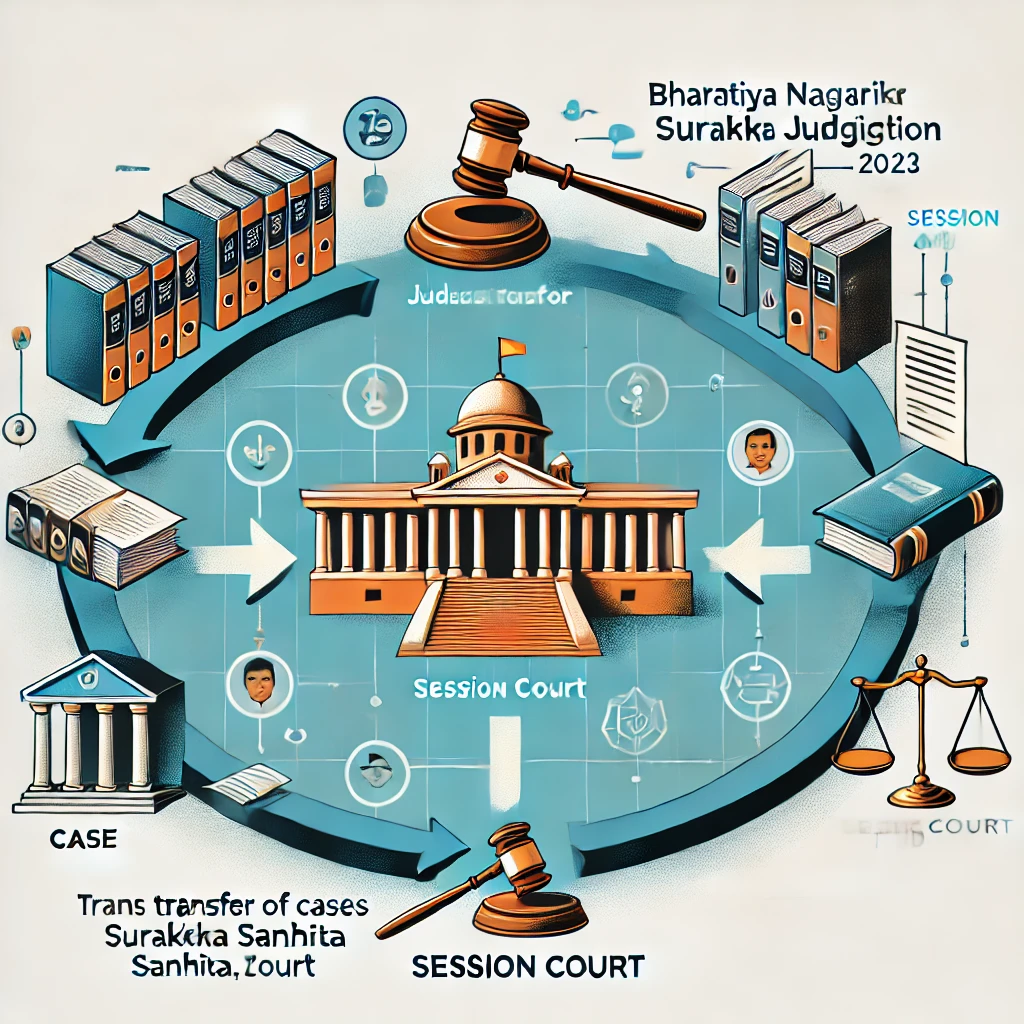
Judicial Transfer of Cases and Session Court Jurisdiction under Bharatiya Nagarik Suraksha Sanhita, 2023

The Bharatiya Nagarik Suraksha Sanhita (BNSS), 2023, improves judicial efficiency by streamlining case transfers and Sessions Court jurisdiction, superseding the Criminal Procedure Code, 1973. Section 406 authorises High Courts and the Supreme Court to transfer cases from one court to another for equity or public interest. Sessions Courts under Section 26 deal with grave offences tried only by them, with enhanced powers to determine complicated cases. The BNSS harmonizes electronic case management processes to facilitate quick transfers and trials. These provisions seek to eliminate jurisdictional overlaps and accelerate the delivery of justice in India’s criminal justice system.